After 40, your body still knows the choreography of bone remodeling—but it sometimes forgets the smaller steps. And if you’ve ever wondered why a “routine” day can feel mysteriously harder on your posture, here’s a playful question: what if the real culprit isn’t just calcium, but a two-part harmony—vitamin D and phosphorus—working (or wobbling) behind the scenes?
Now imagine a potential challenge: you try to be consistent with your diet, yet somehow your bones don’t seem to “answer” the way you expect. That mismatch often traces back to balance—particularly the orchestration between vitamin D, calcium absorption, and phosphorus availability. Let’s walk through the science with a bit of narrative momentum, so the concepts feel less like chemistry homework and more like a map.
Why bone health becomes a balancing act after 40
Bone is not a static structure. It’s more like a living scaffold undergoing constant reconstruction. Osteoblasts build, osteoclasts resorb, and the tempo shifts as you age. After 40, bone turnover can become less efficient: the rebuilding phase may not keep pace with the breakdown phase. This is where nutrient balance matters. Not “more is better,” but “the right amounts in the right relationship” can determine whether remodeling stays graceful or turns chaotic.
Vitamin D and phosphorus are especially relevant because they collaborate in mineralization. Calcium may be the celebrity mineral, but phosphorus is the co-star, forming mineral complexes that create bone’s hard, resilient architecture. When their interactions drift out of alignment, the scaffold can become less dense and less stable.
The vitamin D–phosphorus partnership: a mineralization duet
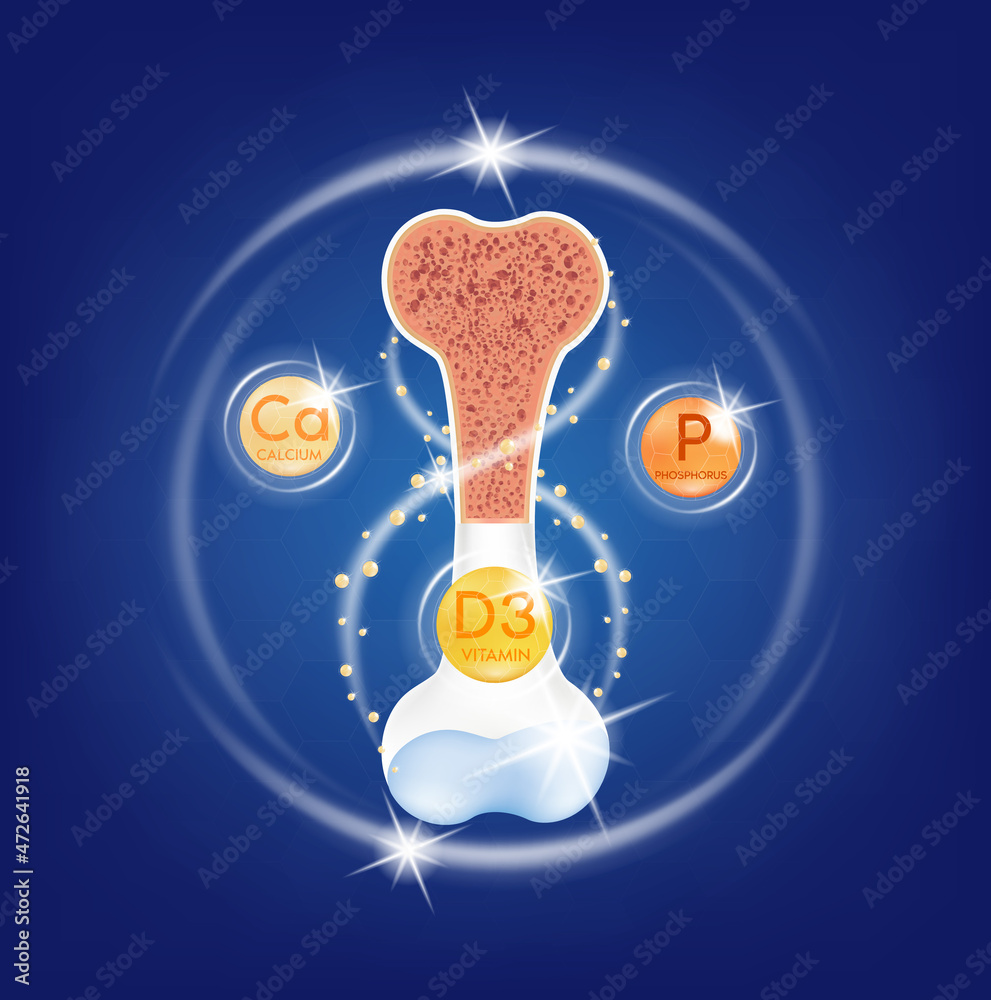
Vitamin D’s most famous job is boosting intestinal calcium absorption. But its ripple effects reach phosphorus, too. Vitamin D helps regulate how the body handles phosphate (a key form of phosphorus) and supports appropriate mineral deposition in bone matrix. Without adequate vitamin D, calcium absorption can drop, and phosphorus management may also become suboptimal—leading to a situation where the “materials” aren’t delivered or utilized efficiently.
Think of bone as a construction site. Calcium is like bricks. Phosphorus is like cement or rebar chemistry. Vitamin D is the site manager who makes sure the delivery trucks arrive and the assembly instructions are followed. If vitamin D management is off, the construction can look busy, but the final stability may be compromised.
Phosphorus: essential, but it likes the right neighborhood
Phosphorus is essential for ATP energy transfer, cell signaling, and buffering reactions in the body. In bone, phosphate combines with calcium to form hydroxyapatite, the mineral that gives bones their hardness. That’s the good news: phosphorus is widely available in foods.
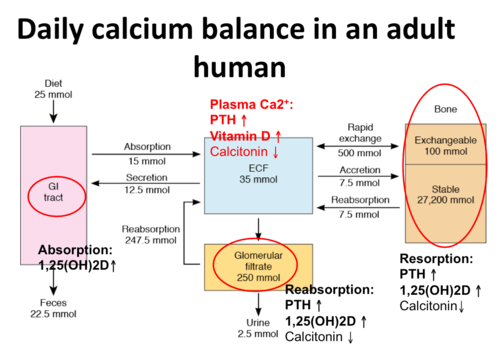
The caution is context. Too much phosphorus—especially when calcium intake is low—can tip the balance. It may encourage altered hormone signaling (including parathyroid hormone dynamics), which can affect how much calcium is released from bone versus absorbed from the gut and reabsorbed by the kidneys.
Here’s the twist: modern diets often contain abundant phosphorus, frequently from processed foods with phosphate additives. That doesn’t automatically mean phosphorus is “bad.” It means the ratio matters. Bone thrives on proportion, not on excess.
The kidney as a regulator: phosphates don’t drift unsupervised
Your kidneys manage phosphate excretion. If kidney function declines—which becomes more relevant with age—phosphate handling can change. Even subtle shifts can affect circulating phosphate levels and downstream bone mineral balance.
That’s why after 40, paying attention to kidney health is quietly important. Regular checkups and simple lab monitoring (when appropriate) can help detect changes early. Bone health isn’t only about what you eat; it’s also about how your body processes and clears what it absorbs.
How parathyroid hormone fits into the story
Parathyroid hormone (PTH) is a regulator that rises when calcium levels are low. Vitamin D helps keep calcium absorption steady, which can reduce inappropriate PTH elevation. When vitamin D is insufficient, calcium absorption may fall. PTH then works harder to maintain blood calcium, sometimes at the expense of bone mineral density.
Phosphorus adds another layer. Because calcium and phosphate influence each other, the hormonal cascade is sensitive to the nutrient landscape. When the body detects an imbalance, PTH may increase, altering bone turnover patterns. The outcome can be less efficient mineralization—like trying to fix a roof while the weather keeps changing direction.
Signs of trouble: subtle cues and silent risks
Bone loss can be stealthy. You may not feel anything until you notice reduced height, back discomfort from altered posture, or a higher likelihood of fractures after minor falls. Vitamin D deficiency and phosphorus imbalances can also present indirectly—through muscle weakness, fatigue, or cramps—yet these symptoms are nonspecific and easy to misattribute.
That’s why “silent risks” matter. A fracture is often the headline, but the slow buildup is the plot. Tracking risk factors—family history, low physical activity, low calcium intake, limited sun exposure, and certain medications—helps turn guesswork into strategy.

Food sources: pairing vitamin D clarity with phosphate practicality
Vitamin D can be obtained from sunlight exposure and a smaller set of foods. Fatty fish (like salmon or sardines), egg yolks, and fortified dairy or plant alternatives can contribute. Many people still struggle to reach optimal status through food alone, particularly in seasons with limited sunlight.
Phosphorus is abundant in protein-rich foods and also in processed foods. Milk, meats, beans, nuts, and whole grains contribute. The key is to build meals that support calcium rather than crowd it out. If phosphorus intake runs high while calcium intake is modest, the balance can lean toward inefficient bone maintenance.
A practical mindset: choose phosphorus-containing foods that come with other bone-supportive nutrients. Think of it as not just adding phosphate, but adding context.
Testing and thresholds: where numbers guide decisions
When bone health matters, measured information beats guessing. Vitamin D status is commonly assessed via a blood test (often 25-hydroxyvitamin D). Phosphate levels may be checked in certain circumstances, especially if there are concerns about kidney function or abnormal mineral metabolism.
Lab interpretation should always be individualized. Age, comorbidities, medications, and baseline dietary patterns influence what “ideal” means for you. Still, the general principle holds: avoid both under- and overcorrection. Bone biology favors steady alignment, not nutritional yo-yoing.
Supplements: helpful, but not an automatic victory lap
Supplements can be a useful tool—especially vitamin D when dietary intake and sunlight exposure are insufficient. However, vitamin D supplementation should be coordinated with calcium intake and overall mineral status. Taking vitamin D without addressing calcium can leave the mineralization process underfed.
Phosphorus supplementation is less commonly needed in healthy adults because dietary phosphorus is usually ample. In fact, supplementing phosphate without a clear medical reason can worsen imbalance. The bone story thrives on precision: fewer unnecessary additions, more targeted adjustments.
Lifestyle levers: the “how” that makes bones respond
Diet is only one lever. Weight-bearing and resistance training provide mechanical signals that stimulate bone remodeling. Balance exercises reduce fall risk, which is especially important after 40. Sleep quality matters because hormone regulation and recovery rely on rhythm.
Here’s the playful challenge again: can you create a weekly routine where bone-supportive movement and nutrient-conscious meals overlap? A day that includes brisk walking plus a calcium-appropriate meal plus sensible vitamin D support can feel like a tiny victory. Small repetitions become structural improvements.
Putting it together: a cohesive bone-health strategy after 40
Vitamin D and phosphorus balance is best understood as a coordinated system. Vitamin D supports calcium absorption and helps regulate phosphate handling, supporting mineralization. Phosphorus supplies phosphate for hydroxyapatite formation, but needs the right proportional environment—especially relative to calcium. Your kidneys, PTH signaling, and overall intake patterns influence whether the balance remains steady or tilts.
So, if you want a takeaway you can actually use: aim for adequate vitamin D (through smart sun exposure and/or food, and supplementation when appropriate), maintain calcium intake to match your phosphorus reality, and support your bones with consistent resistance and weight-bearing activity. Bones are patient, but they’re not passive. Give them consistent inputs, and the remodeling story can stay remarkably resilient.