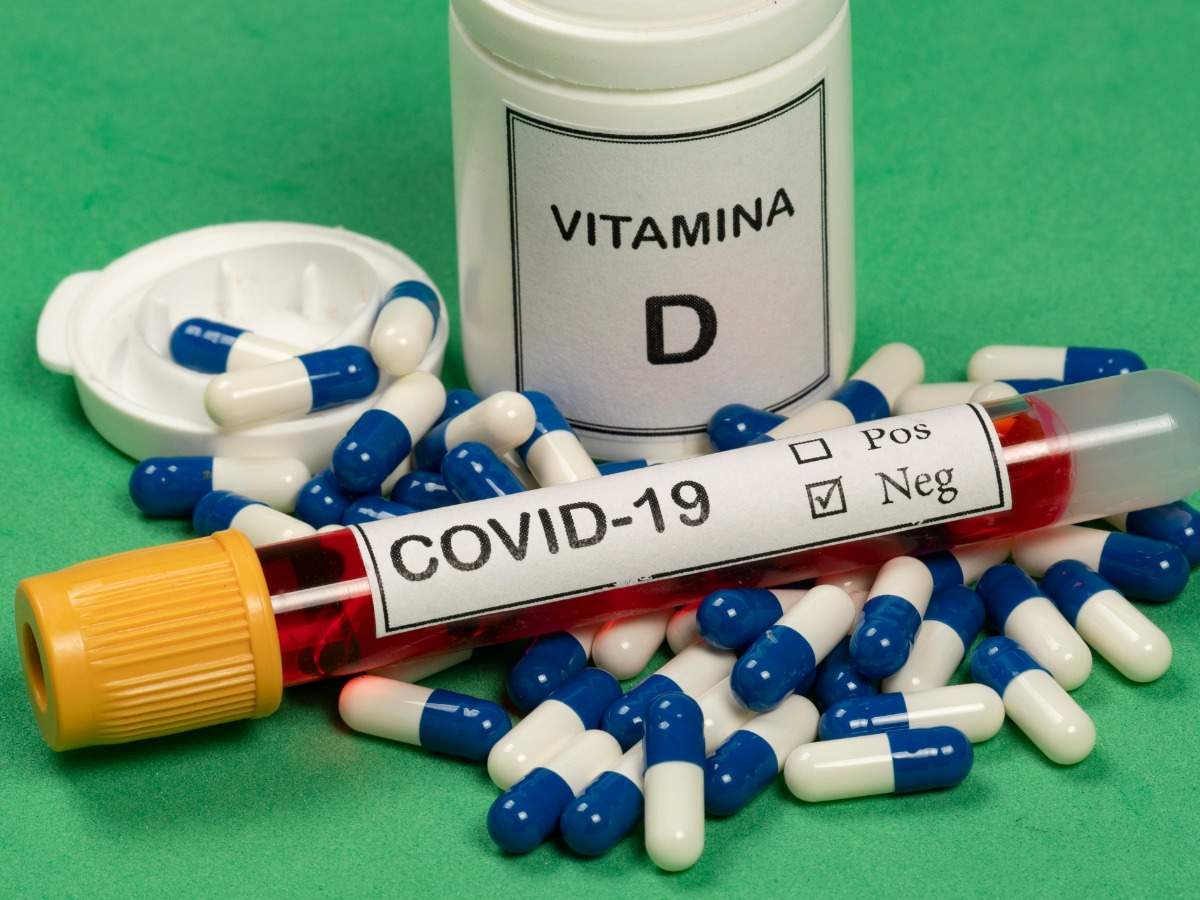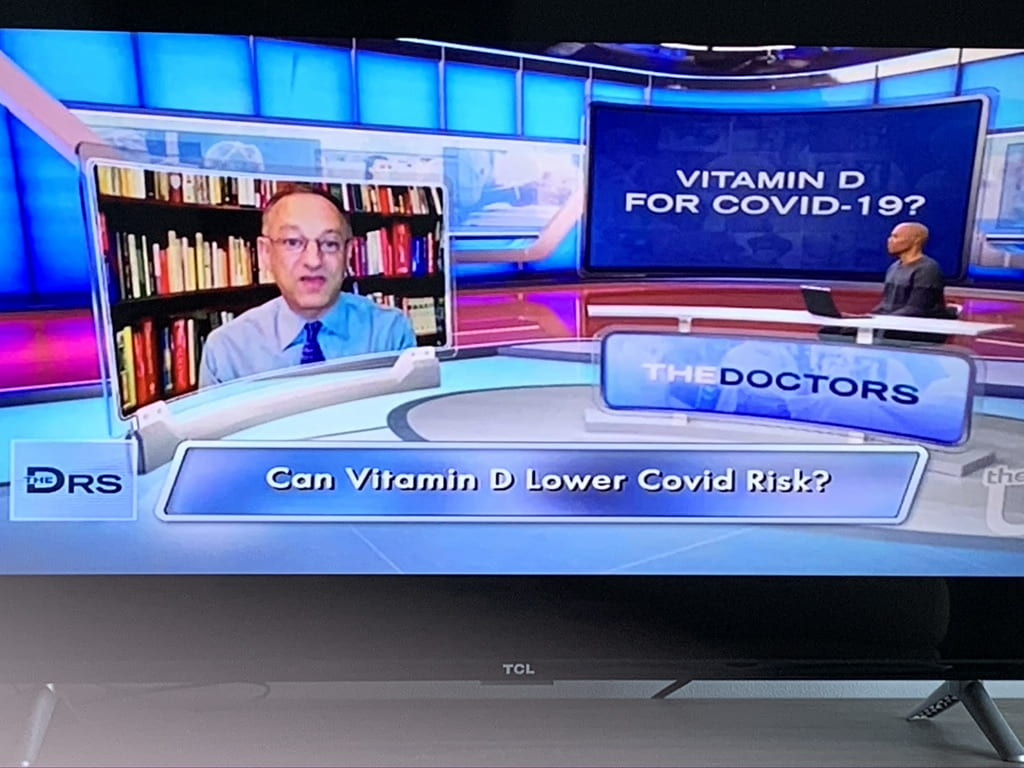
It’s a curious kind of modern folklore: vitamin D, a molecule many people associate with sunlight and winter fatigue, has also become a recurring character in conversations about COVID-19. Patients ask about it in pharmacies. Clinicians weigh it in real time. Researchers return to it again and again. The fascination is not merely scientific curiosity; it’s the promise of a simple lever—one that might influence an extremely complex disease pathway. Yet the story is subtler than “take a pill and the virus behaves.” What the latest US studies suggest is more nuanced, and in that nuance lies both hope and caution.
Why Vitamin D shows up in COVID-19 conversations so often
The common observation is straightforward: lower vitamin D levels appear more frequently among people who experience worse COVID-19 outcomes. That pattern has been reported across multiple investigations, and it travels quickly through headlines because it feels intuitive. Humans are not machines; immune responses are shaped by physiology, geography, age, skin pigmentation, and daily habits. Vitamin D sits at the intersection of these variables, acting like a biochemical “translator” between sunlight exposure and immune function.
But the deeper reason for the fascination may be psychological as much as medical. Vitamin D is a tangible, measurable nutrient. It can be measured in bloodwork, discussed at doctor visits, and supplemented if needed. In a pandemic, people crave actionable knowledge, especially knowledge that seems to fit normal life.
Still, the immune system doesn’t work in a single straight line. Vitamin D does not replace vaccines, antivirals, or public health measures. It modulates multiple processes: innate defenses, inflammatory signaling, and the body’s readiness to respond. That “modulation” is why vitamin D has become such an enduring character in COVID-related research.
What “low vitamin D” can mean during infection
In US studies, one recurring theme is that vitamin D insufficiency often clusters with factors that also predict vulnerability. Older age correlates with lower vitamin D synthesis and a reduced capacity to convert precursor molecules. Chronic conditions—such as metabolic syndrome or cardiovascular disease—can influence both immune performance and nutritional status. Reduced outdoor activity, vitamin-poor diets, and limited supplement use can all contribute.
In other words, low vitamin D sometimes behaves like a marker of broader physiologic strain. That doesn’t negate the possibility of a causal role, but it suggests why the evidence can look inconsistent depending on study design.
Think of vitamin D as both a potential contributor and a potential indicator. When researchers observe that lower levels coincide with more severe COVID-19, they are seeing an overlap between immune readiness and overall health. The overlap is meaningful, even when the causal chain is difficult to fully disentangle.
Immune regulation: the quiet mechanism behind vitamin D’s interest
Vitamin D influences the immune system through pathways that shape inflammation and pathogen recognition. Several studies in the United States emphasize its role in balancing pro-inflammatory and anti-inflammatory signals—an especially important idea because severe COVID-19 often involves dysregulated inflammation. When inflammation becomes misdirected or excessive, tissues can be harmed even as the body tries to fight the virus.
Vitamin D also affects immune cell behavior, including how the body coordinates the response between early defense mechanisms and longer-term adaptation. The result is not a simple “boost” but a recalibration. A recalibrated immune system may respond to viral threats with more precision, potentially reducing the intensity of the cascade that leads to respiratory complications.
This is why vitamin D remains compelling for researchers: it touches the immune system’s tempo—how quickly, how strongly, and in what direction it responds.
Severity, hospital risk, and the question of clinical outcomes
Many US studies examine outcomes such as hospitalization, ICU admission, and disease severity. The consistent observation is that vitamin D deficiency or insufficiency is more common among those with worse clinical courses. Some analyses show that higher vitamin D status correlates with lower risk, while others focus on whether supplementation can meaningfully change trajectories.
However, the field has learned to treat “correlation” with respect. Observational studies can illuminate patterns, but they cannot always confirm causality. Randomized trials—considered the gold standard—have produced mixed findings depending on baseline vitamin D levels, timing of supplementation, and differences in study populations.
The most persuasive interpretation is often conditional: vitamin D may be more beneficial for people who are deficient to begin with. If so, supplementation could serve as corrective maintenance rather than a universal protection strategy. In that model, the “dose” isn’t only measured in international units; it’s also measured in the starting point and timing.
Timing matters: before infection versus during illness
One reason results can diverge is timing. Vitamin D status reflects months of physiology—skin synthesis, dietary intake, supplementation habits, and seasonal variability. If supplementation starts after infection is already established, it may arrive too late to influence early immune events.
Several US investigations suggest that baseline deficiency is a key contextual variable. When people begin with low vitamin D, correcting it may better support immune regulation before the virus triggers the inflammatory machinery. Short-term supplementation during acute illness might be less effective than long-term correction.
This idea also aligns with how the body behaves. Immune signaling pathways are fast, but the upstream readiness—receptor availability, gene expression patterns, and metabolic signaling—often develops over time.
Supplements: what studies imply about practical use
When clinicians discuss vitamin D supplementation in the context of COVID-19, the conversation is usually framed around correction and prevention. The goal is often to restore adequate blood levels rather than to pursue extreme dosing. US studies frequently emphasize that maintaining sufficient vitamin D may support immune resilience, especially during periods of elevated viral transmission.
At the same time, thoughtful caution is essential. Excess vitamin D can lead to toxicity through elevated calcium levels, causing kidney and cardiovascular complications. That’s why responsible practice typically includes assessing baseline status and selecting dosing within evidence-informed ranges.
For many people, a sensible approach begins with awareness: seasonal risk, limited sun exposure, darker skin pigmentation, older age, and dietary patterns. A clinician can then recommend an appropriate plan based on individual risk and—when possible—measured 25(OH)D levels.
Seasonality, latitude, and the hidden geometry of risk
Vitamin D is not distributed evenly across the calendar or across geography. US sunlight intensity varies by season and latitude, and winter months often correlate with lower levels. During surges of respiratory viruses, that seasonal dip can align with increased susceptibility.
That alignment may help explain why vitamin D repeatedly surfaces in COVID discussions. It isn’t only a nutrient story; it’s also a story of time, behavior, and environmental constraint. People may stay indoors more, exercise less outdoors, and rely on diets that may not provide enough vitamin D.
When these patterns intersect with public health strain—crowding, stress, comorbidities—vitamin D status becomes part of a larger risk mosaic.
Who may benefit the most: identifying the biology behind the pattern
US studies increasingly point toward effect modification—different outcomes depending on participant characteristics. People with confirmed deficiency may experience more pronounced benefit from correction. Older adults and those with chronic disease often show higher rates of low vitamin D and may have a steeper risk gradient when infected.
Meanwhile, some findings appear weaker in populations where baseline vitamin D is already adequate. That doesn’t mean vitamin D is irrelevant; it suggests there may be less “room for improvement” if deficiency isn’t present.
In clinical terms, the most rational strategy is not blanket supplementation, but targeted correction guided by risk assessment and, where feasible, lab testing.
Limitations: why the evidence still feels unsettled
Even with promising signals, vitamin D and COVID-19 evidence remains complex. Differences in study designs—observational cohorts versus randomized controlled trials—can produce divergent conclusions. Another challenge involves measurement: a single vitamin D test may not fully represent long-term status, and vitamin D levels can fluctuate with illness severity and behavior.
Confounding also matters. If people with low vitamin D are also more likely to have limited access to healthcare, fewer protective behaviors, or more underlying conditions, the association may partly reflect those realities.
Understanding these limitations is not discouraging. It’s clarifying. It helps transform “vitamin D might help” into “vitamin D likely matters most in specific contexts.” That context-driven interpretation is where the most durable insight lives.
What to do with this knowledge: a balanced, responsible perspective
The most useful takeaway from US research is neither panic nor dismissal. Vitamin D is best understood as an immune-supporting nutrient, potentially relevant to COVID-19 outcomes—especially when someone is insufficient or deficient. It is not a replacement for vaccination, masking where appropriate, ventilation improvements, or antiviral treatment when indicated.
Instead, consider vitamin D as part of a broader preparedness approach: adequate nutrition, safe sun exposure when feasible, timely medical guidance, and attention to comorbidities. For some people, lab testing can be an anchor point; for others, clinician-guided supplementation may offer reasonable risk mitigation.
In the end, the fascination with vitamin D is justified—not because it offers a magic shield, but because it highlights how nutrition and immune regulation intertwine. A deeper understanding turns a common question into a more intelligent decision.