Pregnancy is often described as a season of devotion—yet devotion can be misguided when nutrients are treated like harmless extras. Vitamin D is one of those compounds that feels almost universally beneficial. Sunshine, supplements, fortified foods: it all sounds so straightforward. But in the quiet margins of “more,” a different story can emerge. Vitamin D toxicity, though uncommon, can become a covert hazard during pregnancy—one that doesn’t announce itself with melodrama, but instead nudges the body toward dangerous biochemical imbalance. And that shift in perspective matters, because the baby doesn’t get to choose the dosage.
Vitamin D in Pregnancy: The Promise Behind the Sunshine
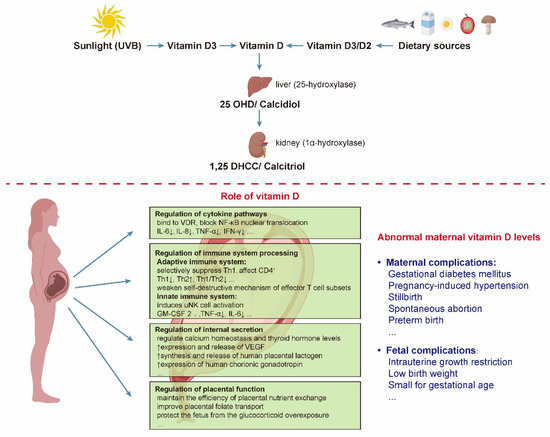
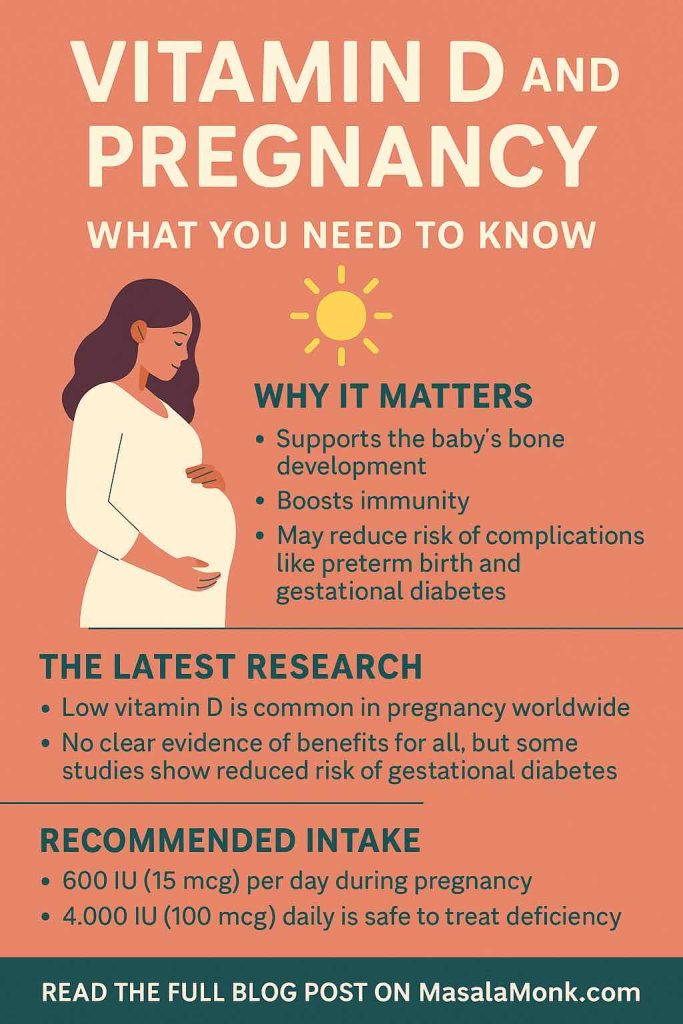
Vitamin D is commonly framed as a guardian of bone health and an accomplice to calcium absorption. In pregnancy, it’s also often discussed in relation to immune modulation and musculoskeletal development. Many clinicians recommend supplementation, particularly when sun exposure is limited or dietary intake falls short. In most cases, vitamin D supports normal physiology with admirable restraint.
What’s easy to miss is how tightly the system is regulated. Vitamin D isn’t simply “good” or “bad.” It is a hormone-like nutrient that influences calcium homeostasis. When levels remain within a narrow therapeutic window, the effects are largely salutary. When levels overshoot—especially from high-dose supplements—the body’s regulatory mechanisms can become overwhelmed. The result is not just “too much vitamin D,” but a cascade of downstream consequences, largely mediated by elevated calcium.
The Turning Point: How Toxicity Actually Develops
Vitamin D toxicity typically originates from excessive intake, whether intentional (for example, high-dose regimens) or inadvertent (stacking multiple products, misunderstanding dosages, or using supplements without considering total daily exposure). The fat-soluble nature of vitamin D allows it to accumulate. That accumulation can be slow, almost seductively gradual. A person may feel fine while biochemical thresholds are steadily crossing into territory where compensatory processes falter.
Once vitamin D levels rise excessively, they can drive increased intestinal absorption of calcium. Blood calcium can climb, sometimes leading to hypercalcemia. Hypercalcemia is the villain in this narrative, because it affects tissues systemically. It can influence the kidneys, disrupt normal fluid balance, and interfere with fetal development through altered maternal-fetal mineral gradients.
Maternal Risks: When the Mother’s Body Becomes the Battlefield
Vitamin D toxicity doesn’t remain politely confined to laboratory numbers. It can manifest with symptoms that are easy to misinterpret as typical pregnancy discomforts—an issue that delays recognition. Persistent nausea, vomiting, constipation, excessive thirst, and frequent urination may appear. Fatigue can become pronounced. In more severe cases, muscle weakness and confusion can occur.
Hypercalcemia may also contribute to kidney strain. The kidneys, tasked with managing calcium excretion, can become overburdened. Nephrolithiasis—kidney stones—may develop. So may nephrocalcinosis, a deposition of calcium in kidney tissue. Long before any dramatic outcome, the maternal body begins to signal distress, and yet those signals can be mistaken for “just another trimester symptom.”
/symptoms-of-too-much-vitamin-d-5105134_final1-eb2f19a74bd54a80950644df25ccb5b2.png)
Risks to the Baby: A Developmental Domino Effect
The central fear in vitamin D toxicity during pregnancy is not simply that the fetus is “exposed” to high vitamin D. It’s that fetal physiology relies on carefully regulated mineral signaling. When maternal calcium levels rise, the fetal environment can shift accordingly. Calcium is essential for skeletal formation and cellular processes, but it must be balanced with precision. Too little impairs development; too much can also distort development.
Elevated calcium levels may be linked to adverse outcomes, including issues involving the infant’s bones and overall growth. The concept can be startling: a nutrient celebrated for supporting bone health can, when excessive, promote dysregulation rather than architecture. Research exploring maternal vitamin D status and outcomes underscores the importance of moderation—suggesting that both deficiency and excess carry different kinds of risk.
Another layer of concern is the persistence of elevated calcium effects. If maternal hypercalcemia is sustained, fetal exposure may not be brief. The timing of exposure can matter. Early developmental windows are especially sensitive, when organs and systems are laying down foundational structures.
Why the Fetal Mechanisms Are Vulnerable
Fetal development is not merely a scaled-down version of adult biology. It’s a choreography of signaling pathways, tissue differentiation, and mineral deposition—all occurring under maternal influence. Calcium regulation is governed by hormones and transport mechanisms that are tuned for stability. Disrupt that stability, and the downstream effects can become complex.
High vitamin D intake may increase calcium availability and alter how the body manages vitamin D metabolites. The fetus may then experience altered calcium homeostasis, which can affect normal growth trajectories. This is one reason the “it’s natural, so it can’t hurt” belief can be dangerously incomplete. Natural does not automatically mean gentle, and biochemical systems do not care about intentions.
Recognizing the Pattern: Symptoms vs. Laboratory Reality
Clinical signs of toxicity can overlap with common pregnancy symptoms, creating a haze of ambiguity. That’s why laboratory evaluation is crucial when concerns arise. Hypercalcemia can be identified through blood tests, and vitamin D levels can be measured to understand whether the source is excessive supplementation or another cause.
If a pregnancy involves supplement stacking—multiple vitamin products, high-dose “therapeutic” vitamin D, or unknown dosages—the risk of accidental overage increases. A shift in perspective can help here: instead of asking only “Do I take vitamin D?” consider “How much vitamin D is actually reaching my bloodstream, day after day?”
Healthcare providers typically interpret results in the context of kidney function, dietary intake, and overall prenatal regimen. The goal isn’t to generate fear; it’s to regain control through measurement.
Common Pathways to Excess: How Over-Supplementation Happens
Vitamin D toxicity during pregnancy usually traces back to dosage mismanagement. Some people use high-dose supplements to “catch up” quickly. Others may follow older medical advice, or rely on wellness routines that treat vitamin D like a universal panacea. Even well-meaning choices can add up: one supplement for general health, another for seasonal deficiency, plus fortified foods.
There’s also the subtle risk of formulation differences. Not all products are labeled with the same clarity, and international units (IU) versus other measures can confuse dosage tracking. If a dosage is adjusted without confirming total intake, the body can drift beyond safe boundaries.
Prevention and Safety: Reclaiming the Middle Ground
The safest posture is not avoidance of vitamin D, but stewardship. Many pregnancies benefit from supplementation, especially for those with limited sun exposure or documented deficiency. The key is individualized dosing guided by prenatal care and—when appropriate—lab work.
Consider reviewing every supplement during prenatal visits. Ask for a clear accounting of total vitamin D intake from all sources. If vitamin D is prescribed, confirm the dose and schedule in plain language. If you’re using additional wellness products, bring them into the discussion rather than treating them as separate worlds.
Prevention also includes skepticism toward extreme dosing protocols promoted online. A compound that accumulates should never be treated as a casual variable. In pregnancy, steadiness is safer than dramatic correction.
When Toxicity Is Suspected: What Often Happens Next
If vitamin D toxicity is a possibility, clinicians typically evaluate symptoms, review dosing history, and order blood tests for calcium and vitamin D status. Depending on severity, management may involve halting or reducing supplements and addressing hypercalcemia. In more serious cases, additional interventions may be required to protect maternal health while minimizing fetal risk.
The most important element is timely recognition. The earlier the imbalance is corrected, the better the chances of reversing harmful trends. It’s a quiet reassurance: physiology can often recalibrate when guided promptly.
A Shift in Perspective: Moderation as a Form of Care
Vitamin D in pregnancy is a paradox that invites curiosity rather than complacency. It can be supportive, even essential—yet it can also become hazardous when accumulation outruns regulation. The baby’s environment is built from maternal inputs, and the fine balance of calcium and vitamin D is one of the mechanisms that deserves respect.
So the shift is this: think beyond “more is better.” Think beyond “natural is safe.” Instead, practice evidence-informed moderation, verify total intake, and let prenatal care guide dosing. In a season where every choice echoes into the future, restraint can be an act of devotion as powerful as supplementation itself.