Vitamin D is often cast as the quiet guardian of bones—steady, dependable, almost background-friendly. Yet when it’s pushed beyond the body’s tolerance, the story flips. What begins as “more” can quickly become “too much,” and the symptoms can arrive like mischief in a clean house: nausea, thirst, kidney stones, and a cascade of downstream effects. The intriguing part is that vitamin D toxicity doesn’t announce itself in one single dramatic moment. Instead, it murmurs through bodily signals—some subtle, some unmistakable—until the pattern becomes impossible to ignore.
Understanding Vitamin D Toxicity: When Help Becomes Harm
Vitamin D toxicity typically occurs when the body accumulates excessive amounts of vitamin D over time. Unlike many nutrients, vitamin D can be stored and linger in fat tissue, meaning the effects may not appear instantly. The liver and kidneys then try to manage the excess by regulating calcium, because vitamin D essentially helps your intestines absorb calcium more efficiently.
When vitamin D is too high, calcium can rise in the bloodstream—a condition often referred to as hypercalcemia. This is where the real trouble begins. Elevated calcium can disturb nearly every system: the digestive tract, muscles, nerves, and, most notoriously, the kidneys.
So the shift in perspective is crucial. Vitamin D isn’t merely “good” or “bad.” It’s dose-dependent. Think of it like a dimmer switch rather than an on/off light. A gentle increase can be beneficial, but turning the dial too far can overheat the entire mechanism.
Early Symptoms: Nausea, Appetite Changes, and a General “Off” Feeling
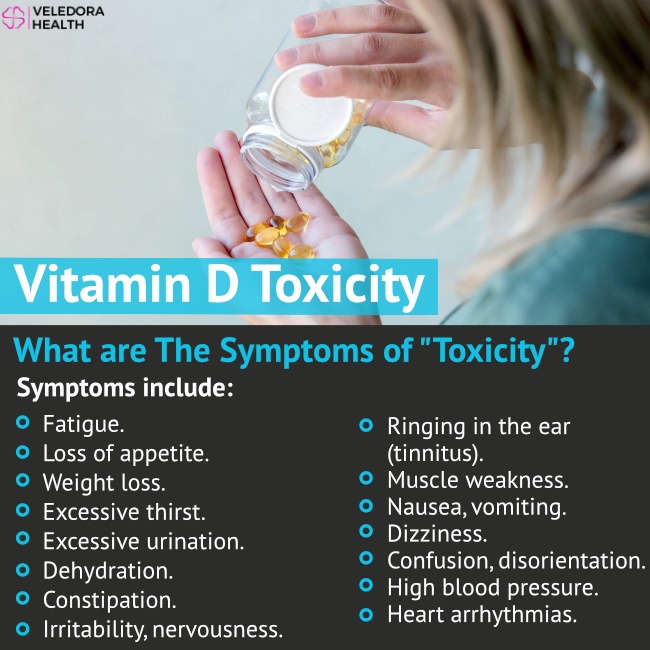
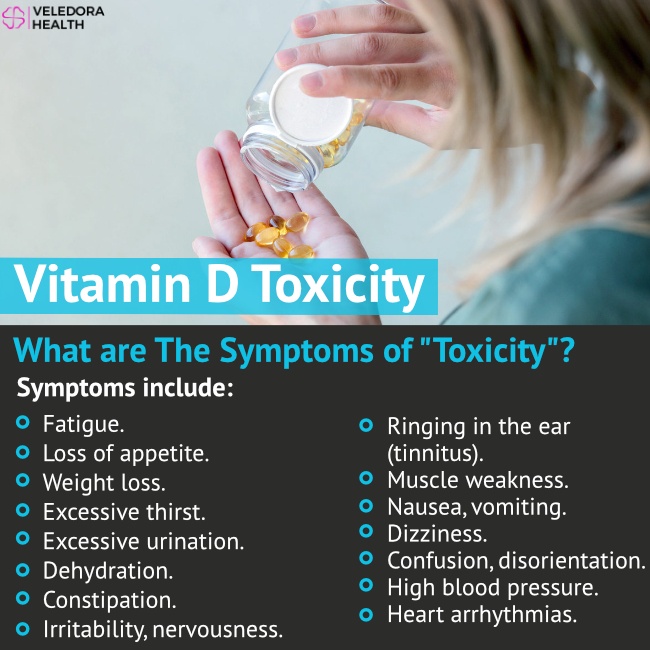
One of the first cues many people notice is gastrointestinal disruption. Nausea can appear before anyone connects the dots to supplements. It may come with reduced appetite, a metallic aftertaste, or a vague sense of malaise. Short sentences matter here because the body’s signals can feel scattered: one day you’re fine, the next you feel queasy.
Some individuals also experience constipation or abdominal discomfort. This happens because high calcium can slow down normal digestive and neuromuscular rhythms. In a sense, the gastrointestinal tract becomes a kind of alarm system—an early stage theater where toxicity rehearses its role.
If you’ve been taking vitamin D and start experiencing persistent nausea, it’s not something to shrug off as “just a stomach bug.” Consider it a prompt to evaluate dosing, frequency, and total intake from all sources.
Kidney Stones and Kidney Strain: The Classic Culprit
The kidneys are where vitamin D excess often lands with the heaviest impact. When calcium levels rise, the urine may become supersaturated. That chemical environment can encourage crystallization, and over time, kidney stones may form.
Kidney stone symptoms can include sharp flank pain, radiating discomfort, painful urination, and sometimes blood in the urine. The pain may spike in waves, like a tide that refuses to calm. It’s an uncomfortable reminder that the body tries to offload excess calcium through the urinary system—and that process can create solid trouble.
Beyond stones, chronic overexposure can contribute to kidney strain. The kidneys filter more aggressively and may struggle to maintain fluid balance. Dehydration can worsen the problem, because concentrated urine increases the likelihood of stone formation.
If nausea is the opening scene, kidney involvement is often the plot twist that becomes unforgettable.

Hypercalcemia: Thirst, Frequent Urination, and Fatigue
When vitamin D toxicity pushes calcium too high, the body may respond with classic hypercalcemia symptoms. Many people notice intense thirst and frequent urination. It’s a two-step cycle: elevated calcium affects how the kidneys manage water, and water loss can leave you feeling drained.
Fatigue follows. Not the usual “I need sleep” fatigue, but a heavy, sluggish sensation that can feel chemically induced. Brain fog can also occur—attention becomes slippery, and thoughts feel less precise.
Muscle weakness is another possible symptom. Calcium is involved in muscle contraction and nerve signaling. Disturb its balance and muscles may respond with weakness, cramps, or unusual twitchiness.
In this stage, the symptoms can feel like a constellation rather than one problem. That’s why context matters: recent supplementation, unusually high doses, or overlapping products (multivitamins, fortified foods, separate D3 pills) can turn the puzzle into a solvable riddle.
Nervous System Effects: Headaches, Confusion, and Irritability
Calcium levels influence electrical signaling in the nervous system. So when calcium surges, neurologic symptoms may follow. Headaches can appear. Some people report irritability or mood changes—tiny shifts that seem unrelated until they aren’t.
In more severe cases, confusion can occur. This is the moment when “curiosity” should become “concern.” Confusion is not a casual side effect; it’s a sign that internal chemistry has moved outside comfortable boundaries.
Even if symptoms seem mild at first, the narrative can tighten quickly. Severity varies, but the direction of change—worsening symptoms over time—deserves attention.
If you or someone else develops confusion, severe dehydration, or persistent vomiting, medical evaluation is strongly warranted.
Heart Rhythm and Blood Vessel Concerns: A Less Talked-About Risk
High calcium can affect cardiac function and potentially disrupt heart rhythm. Palpitations may occur, and in sensitive individuals, the heart’s electrical stability may wobble. This is not the most commonly discussed consequence in everyday wellness conversations, yet it’s part of the broader physiology.
While not everyone experiences cardiovascular symptoms, it’s important to understand that calcium is a key electrolyte. Electrolytes help determine electrical behavior in tissues. If the electrolyte environment changes, the body’s rhythm can respond.
This section is meant to widen perspective. Vitamin D toxicity isn’t just about stones and nausea. It can influence systems in a domino-like sequence—digestive tract, kidneys, brain, muscles, and possibly the heart.
Risk Factors: Who Is Most Likely to Overdo It?
Some people are more vulnerable to vitamin D toxicity than others. High-dose supplementation—especially without periodic monitoring—is a major risk. Taking multiple products that each contain vitamin D can unintentionally multiply total intake.
People with certain medical conditions may also be at higher risk, including disorders that increase calcium absorption or affect metabolism. Kidney disease can reduce the body’s ability to handle calcium efficiently. Dehydration can further concentrate urine, raising stone risk.
Age matters too. Older adults may have different vitamin D handling and may be more prone to kidney vulnerability. And sometimes the most dangerous scenario is the slow one: someone takes “higher for a while” doses based on fatigue or low lab values, then continues long after the original goal has been reached.
Curiosity becomes practical here. Question the regimen. Track total vitamin D intake. Consider whether follow-up labs are necessary.
Diagnosis and When to Seek Help: Turning Signals into Data
If vitamin D toxicity is suspected, clinicians often evaluate blood calcium levels and may check vitamin D metabolites, kidney function, and related markers. Urinalysis can also help assess whether calcium is being excreted excessively.
What feels like a “symptom-only” situation becomes a laboratory narrative. The body’s complaints—nausea, fatigue, thirst, stone-like pain—are compelling, but objective measurements confirm the pattern.
Seek prompt medical attention if symptoms are severe, persistent, or worsening—especially if kidney stone symptoms appear. Don’t try to outwait toxicity with hydration alone. Hydration helps, but it doesn’t reverse hypercalcemia by itself.
Prevention: How to Keep Vitamin D in Its Beneficial Zone
Prevention begins with moderation and clarity. Avoid stacking multiple vitamin D-containing products unless the total dose is intentionally planned. If supplements are used, the most responsible approach is often to align dosing with lab results and clinician guidance.
Think in totals, not labels. Total daily intake from supplements and fortified foods matters. Also remember that “natural” or “over-the-counter” doesn’t automatically mean “risk-free.” Biology doesn’t negotiate. Dose is the language the body understands.
Finally, periodic reassessment is a form of self-care. Your needs can change with seasons, lifestyle, and health status. A dosage that suited last year may not fit this year’s physiology.
The Takeaway: A Gentle Nutrient, a Serious Threshold
Vitamin D toxicity is a reminder that wellness has boundaries. The symptoms—nausea, kidney stones, thirst, fatigue, and in some cases confusion—are not random. They form a logical sequence driven by calcium imbalance.
So the promise is a shift in perspective: treat vitamin D like a tuned instrument, not a limitless resource. Respect the threshold, pay attention to early signals, and use follow-up evaluation when needed. When you do, vitamin D can remain what it’s meant to be: helpful support, not hidden hazard.