Muscle weakness and the creeping risk of falls can feel unrelated at first glance—until you notice the pattern: when strength wanes, balance often follows. Vitamin D sits at the crossroads of these issues. It supports muscle function, influences neuromuscular coordination, and may help reduce the likelihood of falls in people who are deficient. Yet “more” is not automatically “better.” The dosage question is nuanced, and the right plan depends on levels, age, skin exposure, comorbidities, and even mobility.
Why Vitamin D Matters for Muscles and Balance
Vitamin D is more than a bone-related nutrient. Inside the body, it acts like a hormonal regulator that touches muscle fibers and the systems that coordinate movement. When stores run low, muscles can become less responsive, and reflexive stability can deteriorate. That doesn’t always announce itself as obvious clumsiness; sometimes it appears as subtler fatigue, a reduced ability to rise from a chair, or a slower gait.
In day-to-day life, those shifts matter. A small loss of strength can magnify balance challenges, especially when the environment turns unpredictable—dim lighting, uneven pavement, or slick bathroom floors. Vitamin D’s role is therefore best understood as a support beam for the musculoskeletal network, rather than a single lever that “fixes” everything.
Spotting Low Vitamin D Before It Shows Up as Weakness
The body rarely sends a dramatic alarm for deficiency. Many people discover it through lab testing rather than symptoms. Still, some hints can appear: generalized aches, slower recovery after exercise, increased susceptibility to illness, or persistent low energy. With age, the risk often rises because skin synthesis declines and dietary intake may fall short.
Muscle weakness and falls frequently coexist with other contributors—vision changes, medication side effects, neuropathy, and insufficient protein intake. That’s why treating vitamin D as part of a broader biomechanical and medical picture is essential. Testing can clarify whether vitamin D insufficiency is a major driver or merely a contributing factor.
How Clinicians Determine Dosage: The Lab-Guided Approach
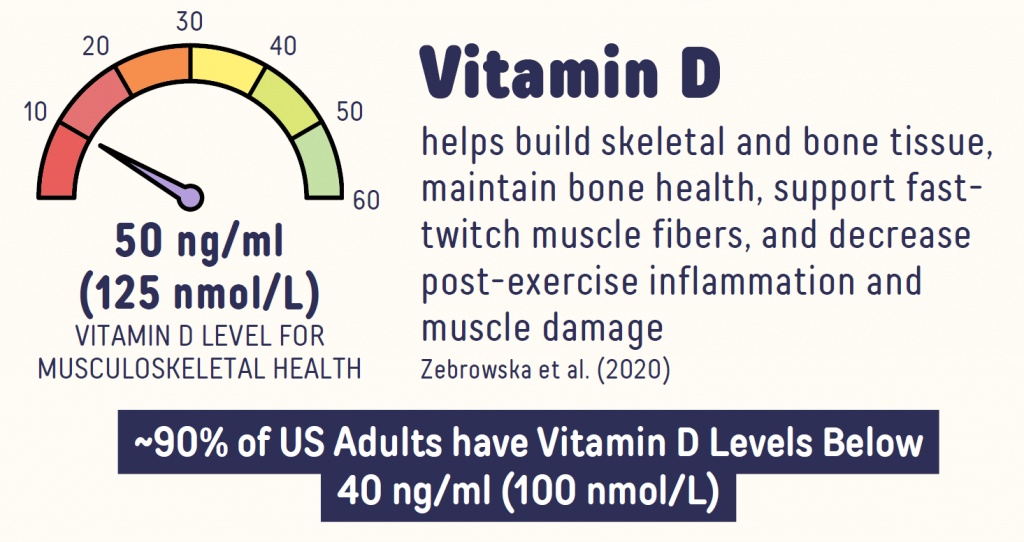
Vitamin D dosing is most effective when it’s guided by measured blood levels, typically serum 25-hydroxyvitamin D. This test acts like a “storage report,” reflecting what the body has accumulated over time.
Interpretation matters because thresholds differ across clinical contexts. Some people need repletion (to refill depleted reserves), while others need maintenance (to keep levels steady). It also matters whether the goal is strength support, fall risk reduction, or general prevention—each carries different tolerances for how quickly levels should rise.
Because vitamin D behaves in a dose-dependent and time-dependent manner, starting too low can feel like waiting for a dimmer switch to brighten. Starting too high can increase risk. The lab-guided method helps prevent both under-treatment and overshooting.
General Dosage Ranges for Repletion and Maintenance
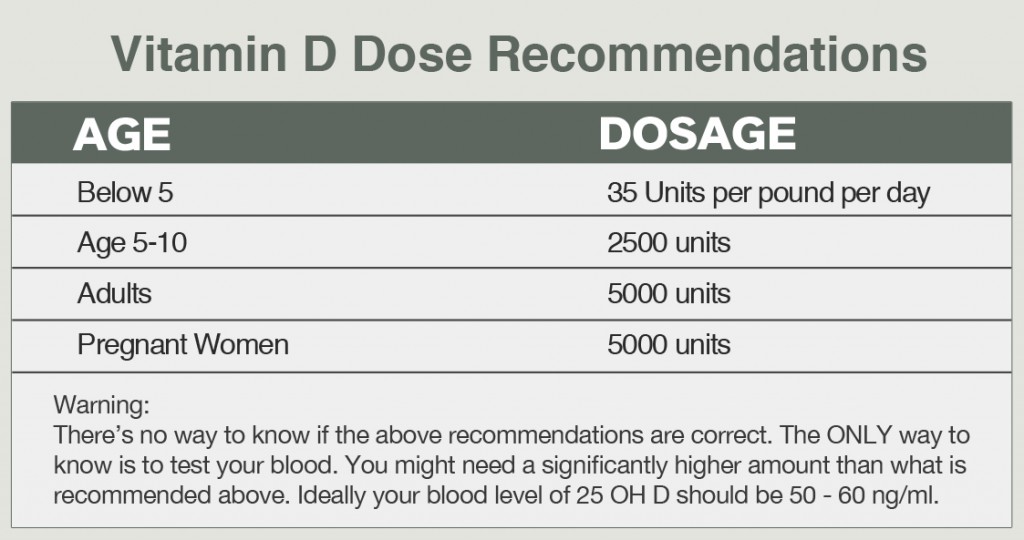
While individualized plans are ideal, common clinical strategies often look like this: higher dosing for a limited period to correct deficiency, followed by a lower maintenance dose. Many practitioners consider daily or weekly regimens depending on adherence, lifestyle, and gastrointestinal tolerance.
For deficiency, repletion regimens might involve multiple weeks of moderate-to-higher dosing, then transition into maintenance. For insufficiency, smaller corrective doses may be enough. Maintenance dosing is typically lower and aims to preserve steady serum levels without constant fluctuations.
There’s also a practical reality: a person who forgets daily supplements benefits from a schedule that matches their rhythm. Weekly dosing, for example, can improve consistency. The best dosage is the one that can actually be taken—repeatedly and reliably.
Daily vs. Weekly vs. Monthly: Which Schedule Works Best?
Vitamin D can be administered in different frequencies. Some people prefer daily dosing because it mimics natural steadiness. Others do better with weekly dosing because it reduces daily friction. Less frequent strategies may be convenient, but they require careful attention to how quickly levels rise and fall.
Long gaps between doses can produce transient peaks and dips. For muscle function—where subtle consistency matters—that variability might be relevant for certain individuals. A more consistent approach may support steadier neuromuscular signaling, especially in older adults who already face balance fragility.
Ultimately, the “best” schedule is the one that aligns with medication adherence, tolerance, and follow-up testing. A plan that encourages regularity often outperforms a technically perfect schedule that gets skipped.
Special Populations: Age, Skin, Obesity, and Malabsorption
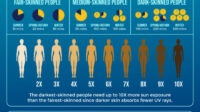
Some people require different dosing considerations. Older adults frequently need higher supplementation because cutaneous synthesis declines with age. Individuals with limited sun exposure—due to lifestyle, climate, clothing habits, or indoor routines—may also need greater support.
Obesity can complicate vitamin D status because the nutrient is fat-soluble and may be sequestered in adipose tissue. That may mean lower blood levels despite similar dosing compared with leaner individuals.
Malabsorption syndromes—such as celiac disease, inflammatory bowel disease, pancreatic insufficiency, or post–bariatric surgery changes—can reduce absorption. In these cases, oral supplementation may need adjustment, and sometimes alternative forms or dosing strategies are considered. The guiding principle is simple: if absorption is impaired, standard dosing may not reliably replete stores.
Safety, Upper Limits, and When Caution Becomes Crucial
Vitamin D is generally well tolerated when used appropriately, but excessive intake can create toxicity risk, primarily through elevated calcium levels. This is not a “folk warning.” It’s a physiological reality: too much vitamin D can push calcium beyond safe boundaries, potentially leading to kidney strain and other complications.
Risk becomes more relevant when people combine multiple supplements, use high-dose products without monitoring, or have underlying conditions affecting calcium regulation. Kidney disease, granulomatous disorders, and certain medications can increase sensitivity.
If muscle weakness and falls are already serious concerns, it’s tempting to chase quick improvements. Still, the safest progress often comes from measured dosing, follow-up labs, and a plan that respects both benefit and boundary.
Vitamin D Works Best With Muscles, Not In Isolation
Vitamin D can support muscle physiology, but it rarely behaves like a lone hero. Resistance training and balance practice are like the mechanical counterpart to vitamin D’s biochemical support. Together, they can reinforce strength, coordination, and stability.
Consider pairing supplementation with a structured routine: progressive resistance for major muscle groups, weight-bearing activities when appropriate, and balance training that challenges stability without overwhelming risk. Short, consistent sessions often win over occasional long workouts.
Nutrition matters too. Protein provides the building blocks for muscle repair, while adequate calories help prevent frailty spirals. Hydration supports circulation and reduces dizziness. The body is a system—vitamin D is one of the key variables.

Reducing Falls Beyond Supplementation
Even with optimal vitamin D, fall prevention is an engineering problem as much as a biological one. Make the environment less mischievous: improve lighting, secure rugs, install grab bars, and keep pathways clear. Wear supportive footwear with stable soles. If vision is impaired, address it—uncorrected vision quietly amplifies missteps.
Medication review is also critical. Sedatives, some blood pressure agents, and drugs affecting balance can turn a single trip into a full event. Neuropathy and dizziness deserve attention, too. The most effective fall reduction plans are multifactorial, treating the entire “falls equation.”
Then, integrate confidence-building movement: gait training when needed, supervised exercises after surgery, and home safety checklists for high-risk areas. Vitamin D may help reduce the biological vulnerability, but environmental design helps prevent the encounter from becoming an accident.
Monitoring Progress: What to Track and When
Improvement doesn’t always show up immediately. Muscle function may change gradually, and fall risk is best evaluated through time-based observation rather than a single day’s balance test. Follow-up labs can confirm whether dosing achieved the intended level without overshooting.
Tracking can include objective measures—like grip strength, chair-rise time, or a simple gait assessment—as well as qualitative notes about fatigue and steadiness. If weakness worsens despite appropriate supplementation, that’s a sign to investigate other causes: anemia, thyroid disorders, vitamin B12 deficiency, medication effects, or neurological issues.
A thoughtful plan treats vitamin D as a measurable lever, not a hope. When labs, symptoms, and function align, the direction becomes clearer and the strategy becomes more precise.
Putting It All Together: A Practical Dosage Strategy
A coherent approach usually follows a sequence: assess risk, measure vitamin D status, replete if needed, then maintain with a sustainable dose. Pair supplementation with resistance and balance training, ensure adequate nutrition, and reduce environmental hazards. This is how vitamin D becomes part of a full prevention architecture rather than a disconnected pill routine.
For muscle weakness and falls prevention, the goal is steady support—biochemical steadiness, functional strengthening, and safer surroundings. When those elements meet, progress feels less like a gamble and more like a well-tuned trajectory.