Vitamin D is one of those quiet nutrients that seems to do a lot of work behind the scenes—helping the body absorb calcium, supporting bone mineralization, and nudging the immune system toward steadier performance. For children, dosing can feel surprisingly complicated. A single number—400 IU, 600 IU, or 1000 IU—can become a crossroads for parents weighing diet, sunlight exposure, growth milestones, and individual risk factors. The question isn’t only “Which dose is right?” It’s also “What type of problem is being prevented, and what type of solution is being chosen?”
First, establish what “IU” really means
IU, or International Units, is the standard measure used for vitamins. With vitamin D, IU acts as a practical dosage yardstick. Yet the living reality is more nuanced than a label. Vitamin D status depends on synthesis in the skin (influenced by season, latitude, sunscreen use, and skin pigmentation), dietary intake, body composition, and even how consistently a child eats. A child can be “on paper” compliant and still drift toward insufficiency if sunshine is scarce or if dietary fat intake is minimal.
So when you compare 400 IU versus 600 IU versus 1000 IU, think less like you’re choosing a single fixed value and more like you’re selecting a dose strategy within a spectrum of needs. Some children need a gentle baseline; others need a more intentional correction.
The expected role of 400 IU: a foundational maintenance dose
400 IU is often treated as a baseline—frequently associated with general maintenance when children have limited vitamin D exposure. It’s the sort of dose that fits into a “low drama” routine: daily supplementation, consistent timing, and minimal adjustments unless symptoms or lab results suggest otherwise.
Children who may align well with a 400 IU approach often include those who:
Have modest dietary vitamin D intake (or mostly fortified foods).
Spend limited time outdoors, especially during fall and winter.
Wear sunscreen regularly or live in environments with fewer sunny days.
Are not known to have malabsorption conditions.
However, maintenance can become inadequate if baseline conditions change. A child who begins attending school after long outdoor seasons, or who shifts diet quality, might remain fine—or might slowly slide downward. Vitamin D status rarely “snaps” overnight; it tends to drift.

The step up to 600 IU: a more robust daily safety net
600 IU often sits in the “strengthen the buffer” zone. It’s not necessarily a dramatic escalation; rather, it can be a reasonable middle path for children whose baseline risk is higher than average. This dose is frequently considered when parents want to be proactive—without immediately moving to correction-level supplementation.
In practical terms, 600 IU may be a better fit when a child has one or more of the following:
Minimal sun exposure due to indoor lifestyle or heavy clothing coverage.
Inconsistent consumption of vitamin D–fortified foods.
Higher body mass, which can influence how vitamin D distributes in the body.
A history of low levels or borderline results on prior testing.
There’s also a psychological benefit to 600 IU: it offers a slightly broader margin for error. Yet it still requires common sense—keeping dosing consistent, monitoring overall nutrition, and recognizing that vitamin D is only one piece of the bone-health puzzle.
Think of 600 IU as the “steady-handed caregiver” option: not frantic, not underpowered, and often easier to maintain over time.
When 1000 IU enters the conversation: correction versus long-term comfort
1000 IU is where the topic typically becomes more individualized. For some children, this amount may be appropriate for limited periods—especially when deficiency is suspected or confirmed. For others, it may be more than is necessary, particularly if their dietary intake and sun exposure are already sufficient.
It helps to distinguish two situations:
Correction: higher dosing used temporarily to restore adequate vitamin D status.
Maintenance: ongoing dosing to keep levels steady.
Many dosing controversies happen when parents treat “1000 IU” as automatically synonymous with “better.” But vitamin D is fat-soluble, meaning the body stores it. That can be beneficial, but it also means unnecessary excess is not something to casually gamble with.
Clinicians often consider 1000 IU when children have clear risk factors or lab findings, such as:
Documented vitamin D deficiency.
Conditions associated with impaired absorption (for example, certain gastrointestinal disorders).
Chronic limited sun exposure plus poor dietary vitamin D sources.
Obesity or other factors affecting vitamin D distribution.
In this dosing neighborhood, follow-through matters. Periodic testing and guidance reduce the odds of overshooting. A plan should feel engineered, not improvised.
Children are not a monolith: age, weight, and risk profile
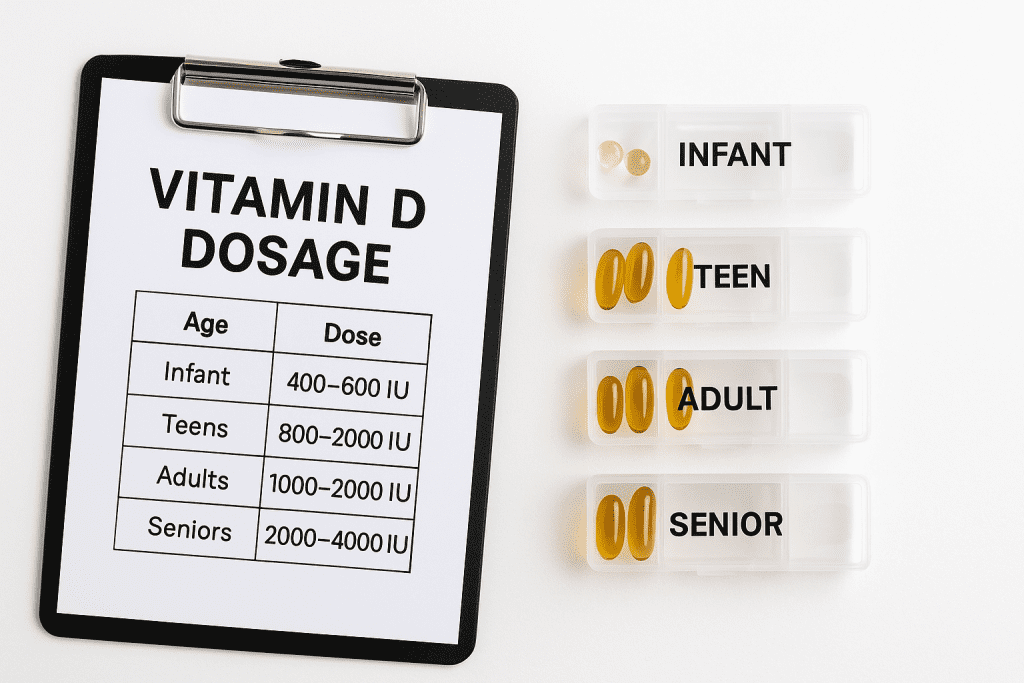
Age is a key variable, but so are weight and risk. A toddler and a school-aged child can have very different vitamin D requirements in practice. Growth spurts change mineral demand; body composition changes distribution; activity patterns change sun exposure.
Then there’s the risk profile. Children with darker skin tones may synthesize vitamin D less efficiently at the same UVB exposure. Families who live at higher latitudes experience longer winter shadows. Children who spend time indoors with sunscreen and limited outdoor hours can fall behind even if they eat moderately well.
Some parents prefer a “one-size dosage” approach. Yet the more responsible method uses a mosaic: diet quality, sunlight exposure, family history, and—when appropriate—laboratory assessment. Vitamin D management becomes less about chasing a single number and more about maintaining a healthy physiological equilibrium.
Food, sunlight, and supplementation: the triad that actually works
Supplementation can bridge gaps, but it’s not meant to replace the broader foundation. Vitamin D can come from fortified foods, dietary sources (often modest), and skin synthesis from sunlight. Together, these form a triad—each piece supporting the others.
Children who rarely eat fortified milk or fortified plant alternatives may require more supplementation. Conversely, children who consistently consume fortified foods and get outdoor time may do well with lower doses or none, depending on seasonal conditions and individual status.
Still, sunlight is not a universal solution. It’s constrained by weather, geography, clothing habits, and sun-safety practices. Vitamin D dosing becomes the “predictable lever” when sunshine is an unreliable variable.
Recognizing deficiency: symptoms, red flags, and subtlety
Vitamin D deficiency can be quiet. Sometimes it shows up through bone-related concerns like delayed growth, bone pain, or muscle weakness. In more severe cases, rickets can occur—an outcome that parents and clinicians take seriously.
But not every child with deficiency looks overtly unwell. That’s why a rational approach emphasizes risk assessment. If a child has limited sun exposure, poor dietary vitamin D intake, or risk factors for malabsorption, it’s worth discussing testing with a pediatric professional rather than waiting for dramatic symptoms.
A helpful mindset is to treat deficiency signs as “clues,” not as diagnostics you try to self-confirm. The goal is timely correction and prevention of long-term skeletal effects.
Safety considerations and the importance of tailored guidance
Parents often worry about vitamin D safety, and it’s a wise instinct. The goal is adequacy without excess. Because vitamin D is stored, prolonged high intake without monitoring can lead to elevated levels. This is why dosing decisions should ideally align with a child’s situation—especially when considering 1000 IU.
Safety is improved when supplementation includes:
Clear dosing instructions (measured amounts, not “estimated sprinkles”).
Consistency with daily use rather than sporadic catch-up dosing.
Consideration of total vitamin D from all sources (multivitamins, fortified foods, and separate supplements).
Periodic reassessment when long-term supplementation is used.
If lab testing is recommended, timing matters. Levels can change with supplementation duration and sun exposure, so trends are more informative than a single snapshot.
So which dose should you choose: 400 vs 600 vs 1000 IU?
Choosing between 400 IU, 600 IU, and 1000 IU is less about picking the “largest” number and more about aligning with the child’s likelihood of insufficiency and the intent of treatment.
400 IU tends to fit children needing a baseline maintenance approach, especially when diet and sun exposure are somewhat limited but no deficiency is known.
600 IU is often a reasonable step up for children with higher risk or borderline status—an extra cushion for seasons and lifestyles that don’t reliably deliver vitamin D.
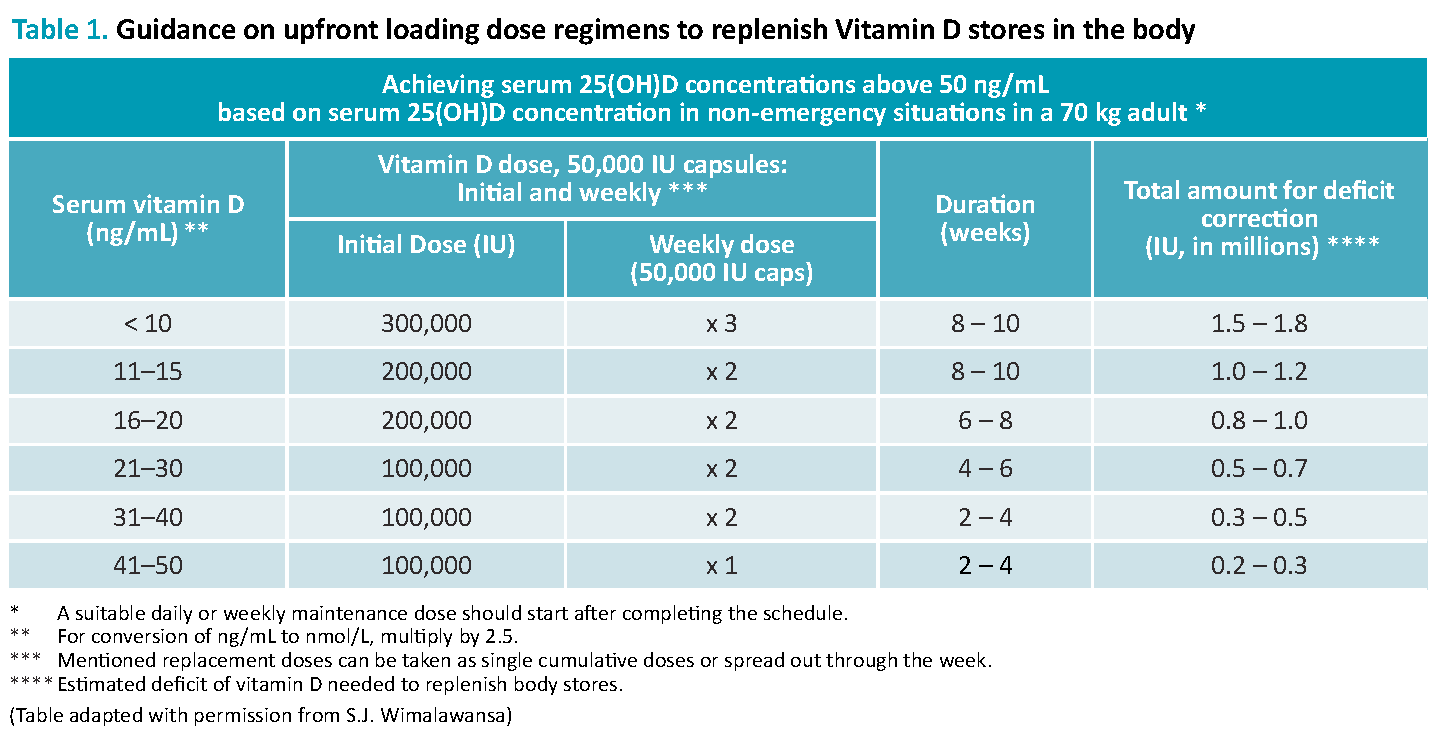
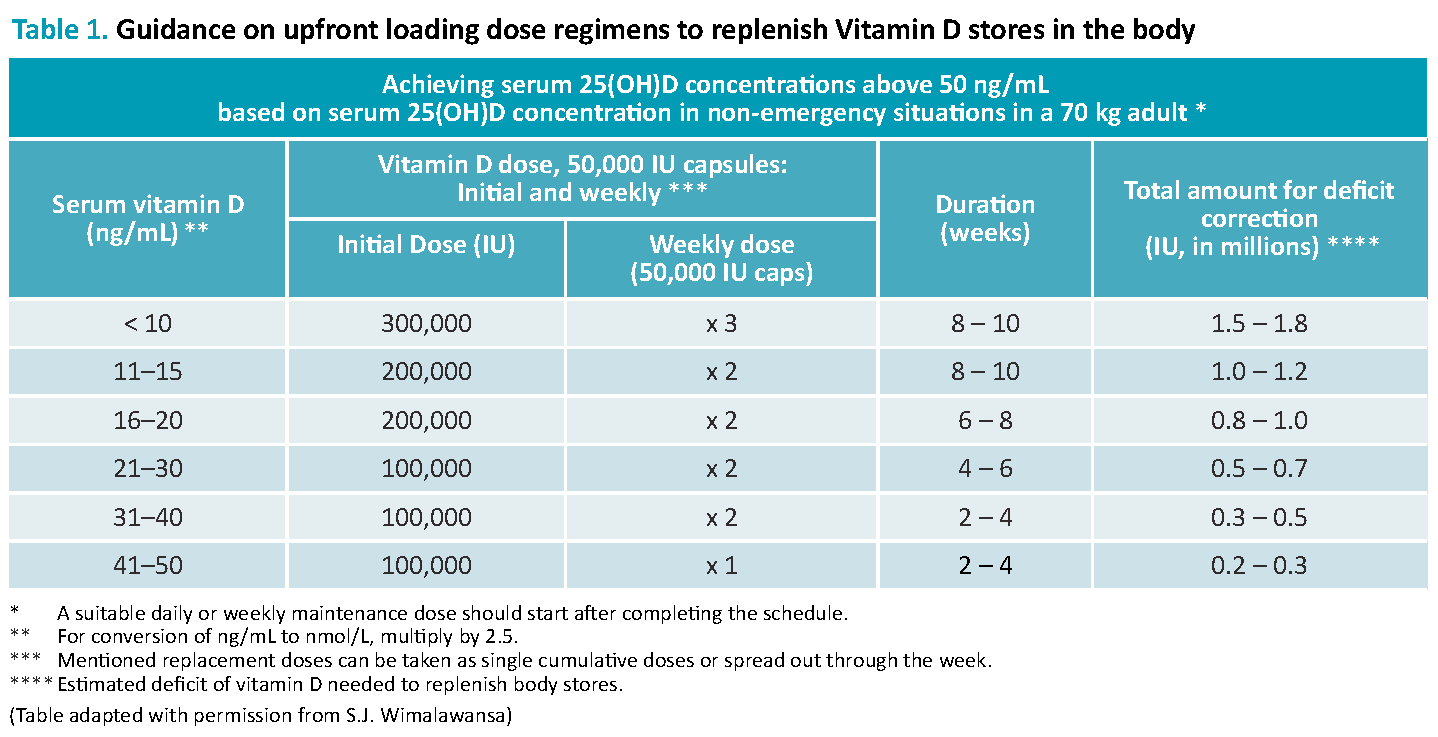
1000 IU is more frequently used when deficiency is confirmed, suspected strongly, or when absorption and risk factors indicate a need for a more assertive temporary correction plan. It’s typically better managed with professional guidance and, when appropriate, follow-up labs.
The most coherent strategy is a “fit-for-context” plan: a dose chosen for the child’s reality today, with a mechanism for reassessing tomorrow.
What readers can expect next: practical decision-making and content pathways
If you’re exploring this topic because you want clear action, expect content to branch into practical categories. You’ll likely see dosing frameworks by age group, risk-factor checklists for children with limited outdoor exposure, and safety-focused discussions about total intake from all sources. Many readers also benefit from symptom-oriented sections that explain what’s common, what’s concerning, and why lab tests sometimes matter.
Another useful content lane is “how to implement.” That includes selecting the right supplement form, creating a routine that actually gets taken daily, and avoiding accidental double-dosing when multiple products are used. Finally, many readers want a narrative bridge—how the body transitions from insufficiency toward adequacy over weeks and months—so they can understand why change is gradual rather than immediate.
In the end, vitamin D dosing for children is not a contest of numbers. It’s a careful alignment of physiology, environment, and growth. When the dose matches the context, vitamin D becomes less of a question mark and more of a predictable contributor to healthy development.