There are symptoms the body whispers about softly—so softly that people mistake them for mood, stress, or “just getting older.” Low libido is often filed under those categories. Yet sometimes the story underneath is nutritional, as quiet and persuasive as moonlight. Vitamin D deficiency can be one of those hidden authors, shaping the nervous system, the endocrine orchestra, and the emotional atmosphere that makes desire feel possible. In this article, the connection is treated not as a checklist, but as a narrative: a tale of chemistry, sensitivity, and the way a missing nutrient can dull the senses like a dimmer switch on the mind.
The Body’s Desire Signal: Why Vitamin D Matters
Libido is not merely a psychological mood. It’s a biological event that depends on hormones, neurotransmitters, vascular flow, and signal timing. Vitamin D works like a backstage stage manager—less visible than the actors on stage, but essential for performance. When vitamin D levels drop, the body’s regulatory systems can become less coordinated. That discord can ripple into sexual health through multiple pathways: altered hormone signaling, changes in inflammatory tone, and reduced efficiency of nerve communication.
Consider vitamin D as a “solar battery” for cellular receptors. Without enough charge, the receptors receive weaker signals. Desire—often described as something felt—can be influenced by how effectively the body communicates internally. You might still have thoughts, memories, or romantic feelings, but the body’s “ready-to-engage” status may lag behind.
Low Libido as a Misread Metaphor: Not Just Lack of Interest
People frequently describe low libido as if it were a single emotion: boredom, reluctance, or disconnection. But low libido can also be a misread physical message. The body may be conserving energy. It may be prioritizing survival resources over sensual exploration. This is not “in your head” in the dismissive sense—it’s that the body can translate deficiency into a quieter experience of the world.
Think of libido as a lantern lit by many fuel sources. Stress may add smoke. Poor sleep may reduce oxygen. Vitamin D deficiency may lower the lantern’s baseline warmth. The result is an indistinct glow: intimacy becomes harder to initiate, and arousal may feel slower, smaller, or less sustaining.
Inflammation, Mood, and the Desire Weather System
Vitamin D participates in immune modulation. When levels are low, inflammation can rise subtly—like weather pressure changing before a storm. Inflammation doesn’t always announce itself with obvious pain. Sometimes it behaves like background static, affecting comfort, mood, and how responsive the body feels.
Mood and sexual desire are intertwined more than most people realize. A person can feel tired, emotionally flat, or slightly “off,” and still believe nothing is physically wrong. Yet the body may be experiencing a systemic shift. If inflammation influences nervous system sensitivity and neurotransmitter balance, libido may naturally decline.
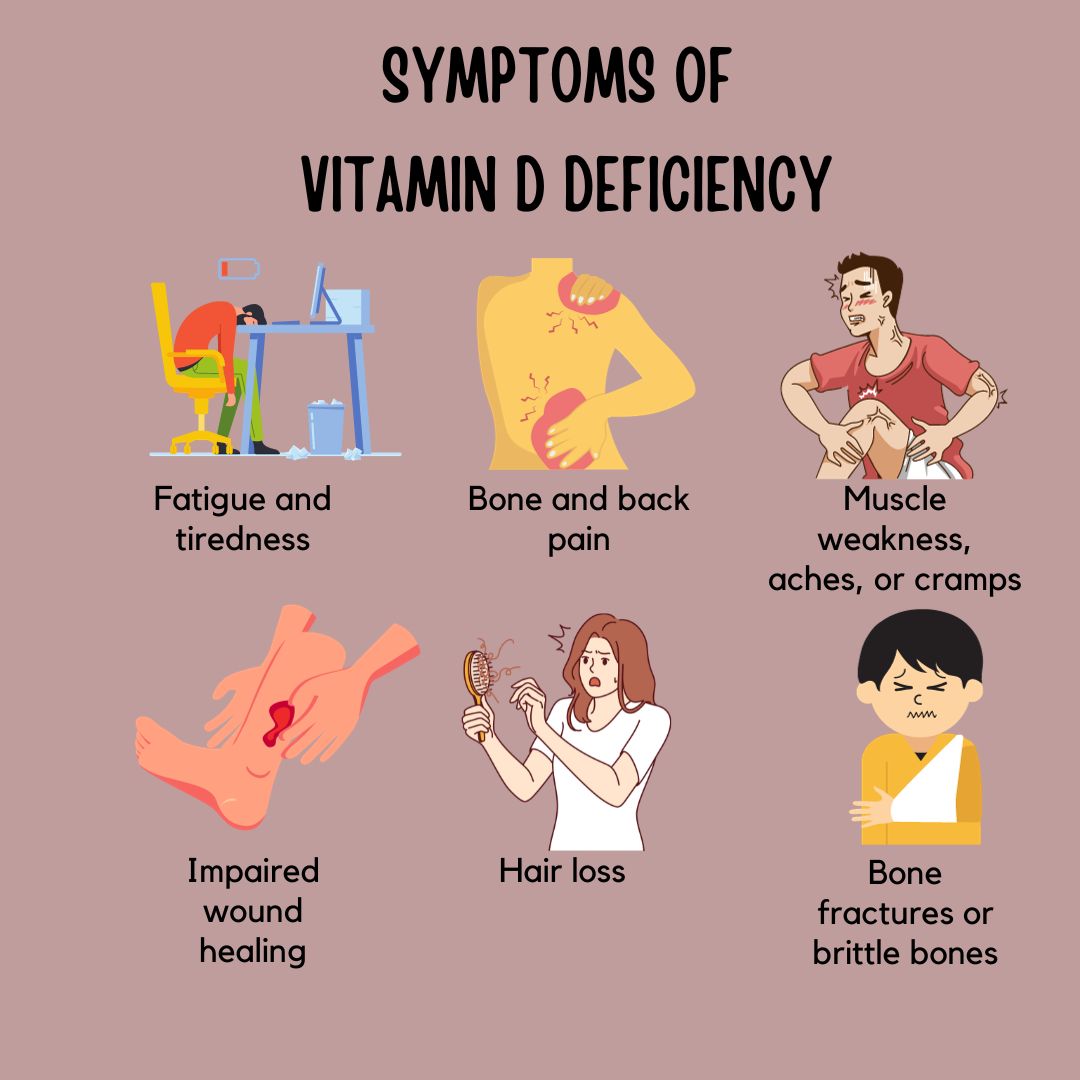
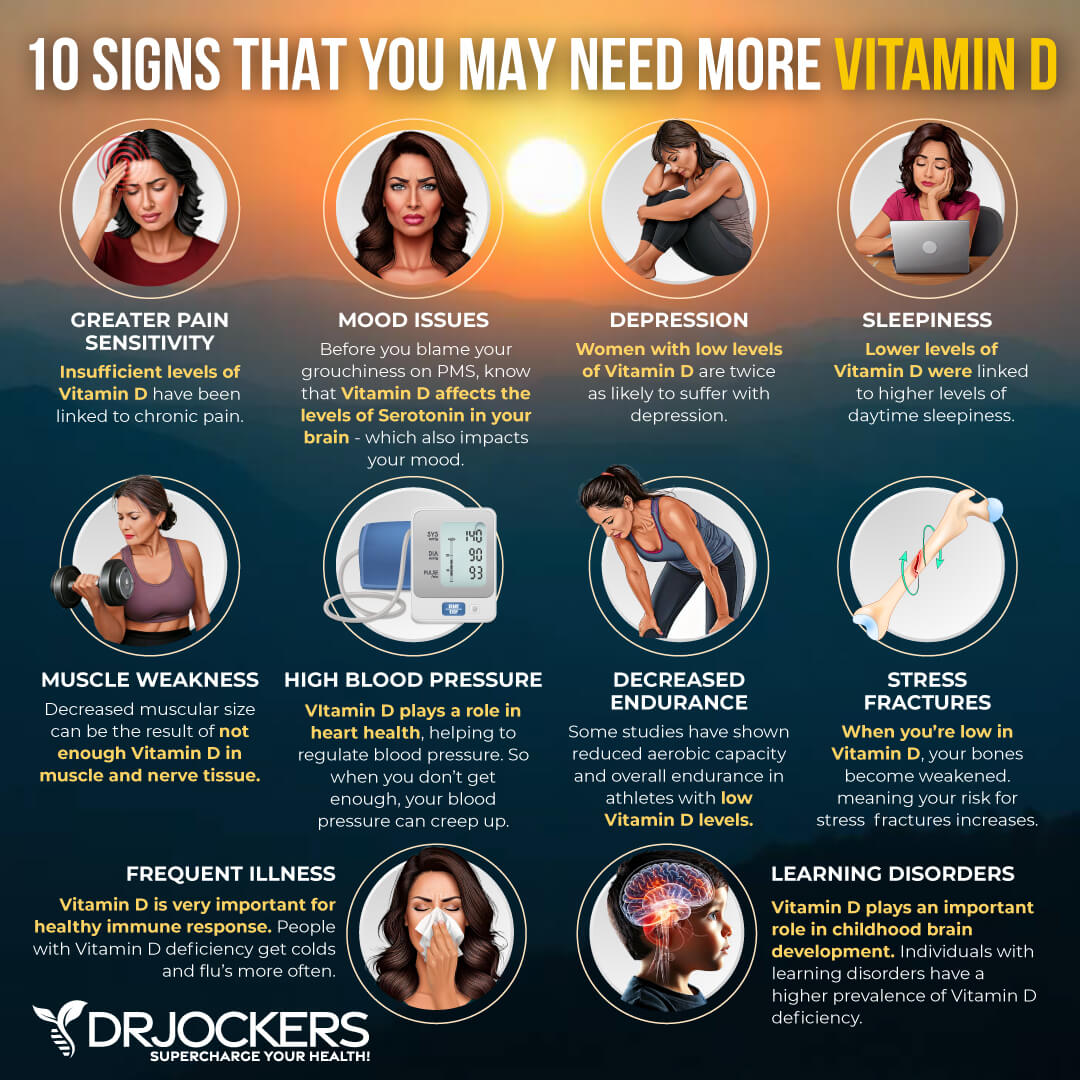
This is why low libido can accompany other common deficiency clues: fatigue, reduced resilience to stress, muscle aches, and generalized low energy. When these symptoms cluster, the body’s “weather” turns against desire.
Hormonal Ripple Effects: When the Signals Don’t Land Cleanly
Sexual function relies on hormones—testosterone, estrogen, prolactin, thyroid-related pathways, and more. Vitamin D is not a single-switch hormone, but it interacts with hormone-related processes. Think of it as a harmonizer. When vitamin D is sufficient, hormonal messaging can become smoother; when it’s deficient, the rhythm may become inconsistent.
In men and women, that inconsistency can present as reduced interest, diminished responsiveness, or a sense that the body is not “meeting the moment.” The brain may still want intimacy, but the physiological response may not arrive on time—or at full volume.
Nerve Sensitivity and Blood Flow: The Hidden Pathways of Arousal
Arousal involves more than desire. It involves sensation, circulation, and the integrity of nerve signaling. Vitamin D receptors are found in many tissues, including those connected with neuromuscular and metabolic functions. When vitamin D is low, nerve signaling and cellular function may become less efficient.
That inefficiency can show up as diminished physical sensation or increased discomfort with intimacy. For some people, it’s not that they don’t want sex; it’s that their body feels less responsive, more guarded, or too tense to fully relax. Desire requires permission from the nervous system. If the nervous system is running in low-power mode, libido can shrink.
Fatigue and Muscle Weakness: The Energy Tax on Intimacy
Libido is often fueled by energy. Not only the energy to initiate sex, but the energy to sustain it, to feel present, to enjoy the sensory details. Vitamin D deficiency can bring fatigue and muscle weakness. When the body feels heavy, the mind may follow with slower motivation.
Imagine trying to dance while wearing a coat made of sand. Even if the music calls, movement becomes costly. Similarly, when vitamin D deficiency drains physical vitality, intimacy may feel like an expense rather than an experience.
Symptoms That Quietly Travel With Low Libido
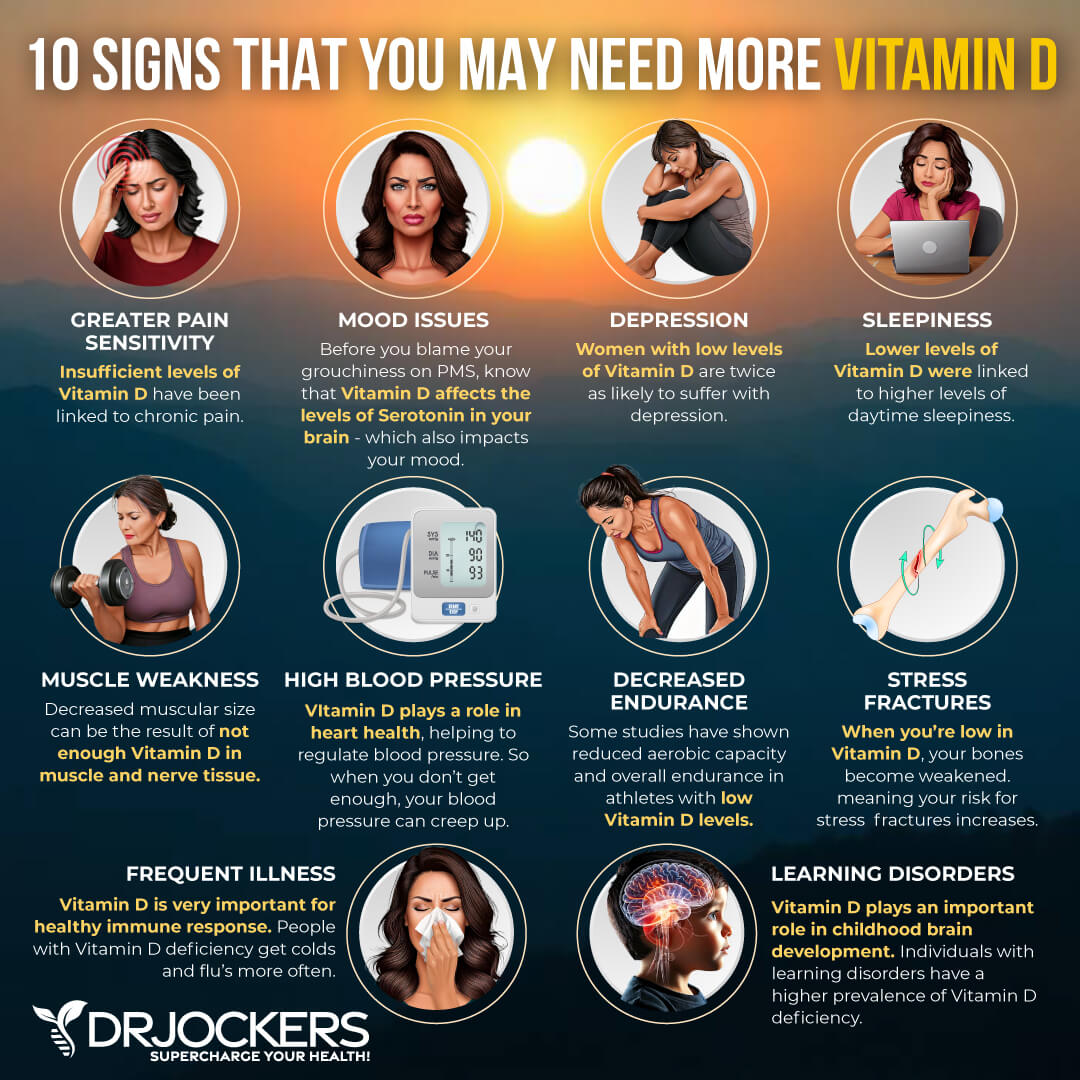
Low libido becomes easier to investigate when it travels with other recognizable signs. Vitamin D deficiency can include bone discomfort, muscle pain, recurrent weakness, frequent low mood, and a general feeling of being underpowered. Sometimes it shows up as greater susceptibility to illness, because immune balance affects overall wellbeing.
If low libido appears alongside those symptoms, it may be worth viewing it as part of a larger pattern rather than a standalone problem. The body often speaks in bundles.
:max_bytes(150000):strip_icc()/VWH-JulieBang-VitaminDDeficiency-txt-4000x2700-25d3aac6e3914cf98d08db2ba4d87be2.png)
Risk Factors: Who Is More Likely to Run Low
Vitamin D is synthesized in the skin when exposed to sunlight, but modern life often reduces exposure. People who work indoors, regularly use sunscreen without balancing sun exposure, or live in higher latitudes may be at greater risk. Darker skin pigmentation can also reduce vitamin D production efficiency. Dietary patterns that lack fortified foods—or low intake of fatty fish—can further contribute.
Body composition matters too. Higher body fat can sequester vitamin D, making it less available. Additionally, certain medical conditions and medications affect absorption or metabolism. Even lifestyle stress can indirectly contribute through changes in sleep, reduced outdoor time, and inconsistent eating patterns.
A Unique Appeal: Treating Intimacy Like a Biochemical Garden
One reason the vitamin D–libido conversation deserves attention is its aesthetic of hope. The idea reframes intimacy not as a failing of character, but as a garden that responds to care. Libido is not simply “gone”; it may be waiting for the right nutrients, the right hormonal environment, and the right biological signal fidelity.
This approach feels quietly empowering. It replaces blame with possibility. It invites the question: “What if the body is asking for something specific?” That shift can reduce shame and make it easier to take meaningful action.
Getting Answers: Testing, Context, and a Thoughtful Plan
Because symptoms overlap with many conditions—stress, depression, endocrine disorders, medication side effects, relationship dynamics—testing provides clarity. A clinician can measure vitamin D levels and interpret them alongside overall health markers. This matters because vitamin D is not the only potential contributor to low libido, and the best plan is personalized.
If deficiency is confirmed, treatment often involves supplementation and sometimes dietary adjustments. Yet the goal isn’t to chase vitamin D blindly. It’s to restore balance and see whether energy, mood, sensation, and desire improve as the body’s systems re-tune.
What Improvement Can Look Like: Small Shifts That Add Up
Hope rarely arrives as a dramatic switch. More often, improvement appears as incremental changes: slightly better sleep, improved muscle comfort, a return of spontaneous interest, easier arousal, and a more positive mood tone. Sometimes desire returns first in fantasy or emotional closeness, then later as physical readiness.
When vitamin D deficiency is part of the picture, the body may regain its responsiveness. The lantern brightens—slowly, but unmistakably.
When to Seek Broader Support
If low libido persists despite addressing possible nutritional causes, further evaluation is important. Sexual health is multi-causal. Hormonal imbalances, thyroid dysfunction, medication effects, pelvic discomfort, diabetes, sleep apnea, and relationship stress can all play roles. A comprehensive approach respects that complexity.
Still, even when vitamin D isn’t the only factor, correcting deficiency can be a valuable foundation. It supports energy, immune balance, and cellular signaling—three pillars that intimacy depends on more than people commonly realize.
Low libido is often treated like a mystery with only emotional keys. But vitamin D deficiency offers a different lens: a biochemical whisper that can shape the entire experience of desire. When the “solar battery” is recharged, the body may begin to respond again—more comfortably, more consistently, and with a renewed sense that intimacy is not something you have to force, but something your system can once again help you feel.