Picture your body as a coastal city that depends on sunlight to keep its tides steady. Vitamin D is one of the crucial “shoreward signals” that helps regulate calcium, immune activity, and bone metabolism. Now imagine a fog rolls in—subtle at first, then gradually more persistent. If your most recent Vitamin D blood test shows 15 ng/mL, you may be standing in that fog: not at a critical cliff, but definitely in a zone that deserves attention. The question becomes less “Is this bad?” and more “What story is your number telling, and what chapters can you write next?”
Decoding the Number: What 15 ng/mL Really Means
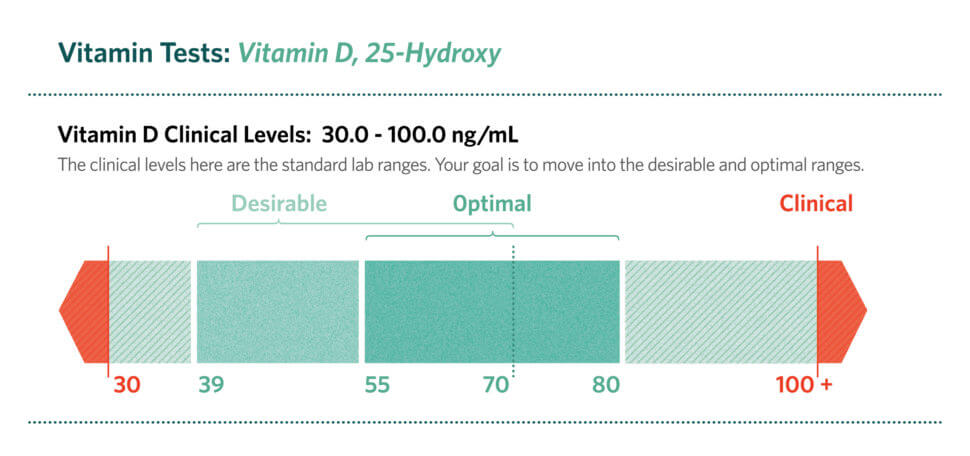
A Vitamin D level of 15 ng/mL is often considered insufficient or in the deficient-to-suboptimal spectrum, depending on the guideline your clinician follows. Think of it like having a dim lantern in a long hallway. You’re not in complete darkness, but you’re not seeing clearly either.
Vitamin D status is frequently interpreted in ranges, but the deeper meaning is physiological rather than purely mathematical. At 15 ng/mL, your body may be struggling to maintain optimal calcium handling and to support immune modulation. Bones and muscles can also pay the price over time—sometimes silently, sometimes through aches, weakness, or fatigue.
Still, numbers are not destiny. They are clues. And clues can be acted on with strategy, not panic.

Why Vitamin D Drops in the First Place
To address the level, it helps to understand the ecosystem that created it. Vitamin D is synthesized in the skin in response to ultraviolet B (UVB) rays, then converted in the liver and kidneys into active forms. When that chain gets interrupted, the blood concentration often falls.
Common narrative culprits include:
Limited sun exposure: indoor lifestyles, sunscreen habits without enough UVB, or living in higher latitudes. The sun may be present, but the UVB “dose” can be inadequate.
Seasonal drift: levels can sag as days shorten, especially after winter.
Skin pigmentation and aging: darker skin tones require more UVB for the same production; aging skin is also less efficient.
Dietary patterns: few foods rich in vitamin D (fatty fish, fortified dairy, fortified alternatives).
Absorption issues: celiac disease, inflammatory bowel disease, bariatric surgery, and certain medications can impair uptake or metabolism.
Weight and vitamin D storage: vitamin D can become sequestered in adipose tissue, effectively lowering circulating levels.
Your 15 ng/mL may reflect one factor—or a chorus of them. A good plan investigates the whole ensemble, not just the loudest voice.
Confirming the Result: Repeat Testing vs. Immediate Action
Once you have a reading, there’s a decision point: interpret and respond now, or re-check under controlled conditions. Most of the time, a level like 15 ng/mL warrants practical intervention rather than waiting passively.
However, confirmation can be useful if:
The test wasn’t fasting (usually not critical for vitamin D, but clarity helps),
Timing was unusual (e.g., immediately after a long sun holiday or a major supplement ramp),
There were changes in medications, absorption symptoms, or major lifestyle shifts.
A clinician may also order related labs to understand the terrain—such as calcium, phosphorus, PTH (parathyroid hormone), and possibly magnesium. If PTH is elevated, the body may be “borrowing calcium” to compensate.
In other words: the number is a headline; the supporting labs are the footnotes that prevent misinterpretation.
What to Do Next: A Grounded, Evidence-Informed Plan
Correcting a 15 ng/mL level is typically approached with a combination of supplements and lifestyle adjustments. But “take vitamin D” is not enough. The goal is to restore and then maintain an adequate range with minimal guesswork.
Most clinicians tailor dosing based on age, baseline level, weight, absorption capacity, and coexisting risks. Options may include:
Daily supplementation: consistent intake supports gradual repletion.
Weekly or biweekly regimens: sometimes used for convenience and adherence.
Higher short-term dosing: occasionally considered when deficiency is more pronounced or symptomatic, then followed by a maintenance dose.
Because vitamin D is fat-soluble, it can work better when taken with a meal that contains fat. This is less a “tip” and more a biochemical handshake—your gut needs the right context to deliver the messenger into the bloodstream.
It’s also wise to avoid the temptation of megadoses without supervision. Vitamin D is not a casual supplement; it’s a hormone-like nutrient with a safety ceiling.
Choosing Supplements: D3 vs D2 and the Details That Matter
When people shop for vitamin D, the label can feel like a foreign language: D3 (cholecalciferol) or D2 (ergocalciferol). Vitamin D3 is commonly preferred in many clinical settings because it tends to raise serum 25(OH)D more effectively for many individuals.
Look for:
Clear dosing: the number of IU per unit, not vague claims.
Quality testing: reputable manufacturing and third-party verification when available.
Appropriate form: many people tolerate standard capsules or tablets; some choose drops for flexible dosing.
Meticulous details can be surprisingly important. In a world of noise, precision feels almost rebellious.
Food and Sunlight: The Slow Alchemy
Supplements can provide a reliable boost, but sunlight and diet are the slow alchemy that helps maintain balance long-term. Sun exposure isn’t one-size-fits-all. UVB availability depends on latitude, season, cloud cover, skin type, and time of day.
A practical approach might include:
Regular outdoor time when feasible, with attention to skin safety.
Dietary vitamin D through fatty fish (salmon, sardines), egg yolks, and fortified foods.
Consistency over intensity. Small, repeatable inputs often outlast dramatic bursts.
Think of it like watering a plant. You don’t flood it once and call it care. You cultivate a routine.
Timeline: When Will You See Improvement?
Vitamin D repletion is rarely instant. Levels typically rise over several weeks, and clinicians often recheck after a period such as 8–12 weeks, depending on the dosing strategy and the clinical context. If you’re aiming for stability, patience is not passive—it’s strategic.
During the repletion window, you may notice changes in energy, muscle comfort, or mood. But symptoms aren’t always a reliable barometer. Some people feel better quickly; others notice gradual improvement—or none at all.
That’s why follow-up testing matters. Your blood level is the compass, not your calendar.
Safety Considerations: Avoiding the Edges of Excess
Vitamin D has a unique duality. Too little can loosen the scaffolding of bone health; too much can provoke hypercalcemia and other complications. The point is balance, not fear.
Discuss with a clinician if you have:
Kidney disease or history of kidney stones.
Primary hyperparathyroidism.
Sarcoidosis or other granulomatous diseases (can alter vitamin D metabolism).
High calcium intake or symptoms such as excessive thirst, frequent urination, nausea, constipation, or confusion.
Safety isn’t dull. It’s the difference between a correct pathway and an accidental shortcut.
Metaphor to Medicine: Your Body’s “Sun Ledger”
At 15 ng/mL, your body may be running a deficit in its “sun ledger.” It can function—yes—but with a cost. Calcium regulation may become less efficient. Immune activity may not receive the same molecular support. Over time, bones and muscles may lose some of their resilience.
The good news is that vitamin D status is often modifiable. Your next steps—supplementation, meal pairing, sensible sunlight, and follow-up labs—are the tools to restore that ledger. The process is not glamorous, but it is powerful.
Imagine a fog lifting gradually, leaving the landscape clearer each day. That’s what repletion can feel like—not always dramatic, but unmistakably directional.
When to Seek Additional Evaluation
If vitamin D levels remain stubbornly low despite adherence, or if there are troubling symptoms, further evaluation is warranted. Persistent insufficiency could signal malabsorption, medication interactions, or metabolic differences that standard dosing doesn’t fully overcome.
Seek medical guidance promptly if:
You have severe bone pain, unexplained muscle weakness, frequent falls, or neurologic symptoms.
You have gastrointestinal disorders or history of bariatric surgery.
Your lab pattern suggests secondary hyperparathyroidism (for example, low vitamin D with elevated PTH).
In those situations, the goal shifts from “raise the number” to “understand the mechanism.” Mechanism-based care tends to work better—like aligning the right key to the right lock.
Crafting Your Next Steps: A Simple, Cohesive Action Checklist
To move forward from 15 ng/mL with confidence, consider a structured plan:
1) Confirm with your clinician what interpretation and target range they use.
2) Start a clinician-guided vitamin D regimen (often with D3 and meal pairing).
3) Add supportive habits—food sources, outdoor time when safe, and consistency.
4) Plan follow-up testing after a reasonable interval to assess response.
5) Review safety factors if you have kidney issues, medication constraints, or symptoms of excess calcium.
Small steps, repeated with accuracy, tend to produce outcomes that feel almost inevitable. Your 15 ng/mL is not an ending. It’s a prompt—an invitation to steer your body back toward the warmth it’s been missing.