Ever noticed how some mornings feel like a warm blanket and others feel like you’re dragging a backpack full of bricks? Imagine discovering that a tiny, sun-derived nutrient—vitamin D—may be quietly involved in both your mood and your energy. Now here’s the playful challenge: what if your “depression-ish” heaviness and your “why won’t my batteries recharge?” fatigue aren’t purely emotional or purely lifestyle-based, but partly nutritional—specifically, vitamin D?
In 2025, the conversation around mental wellness and recovery is louder than ever. And vitamin D is stepping into the spotlight for a reason. Let’s build an ultimate guide: practical, grounded, and complete—so you can use vitamin D thoughtfully, not blindly.
Vitamin D 101: The Mood-Adjacent Hormone You Might Be Missing
Vitamin D is often called a vitamin, but it behaves more like a hormone-like regulator. Your body manufactures it in the skin when exposed to sunlight. Then it undergoes conversions—first to a storage form, and later to an active form that can influence various systems.
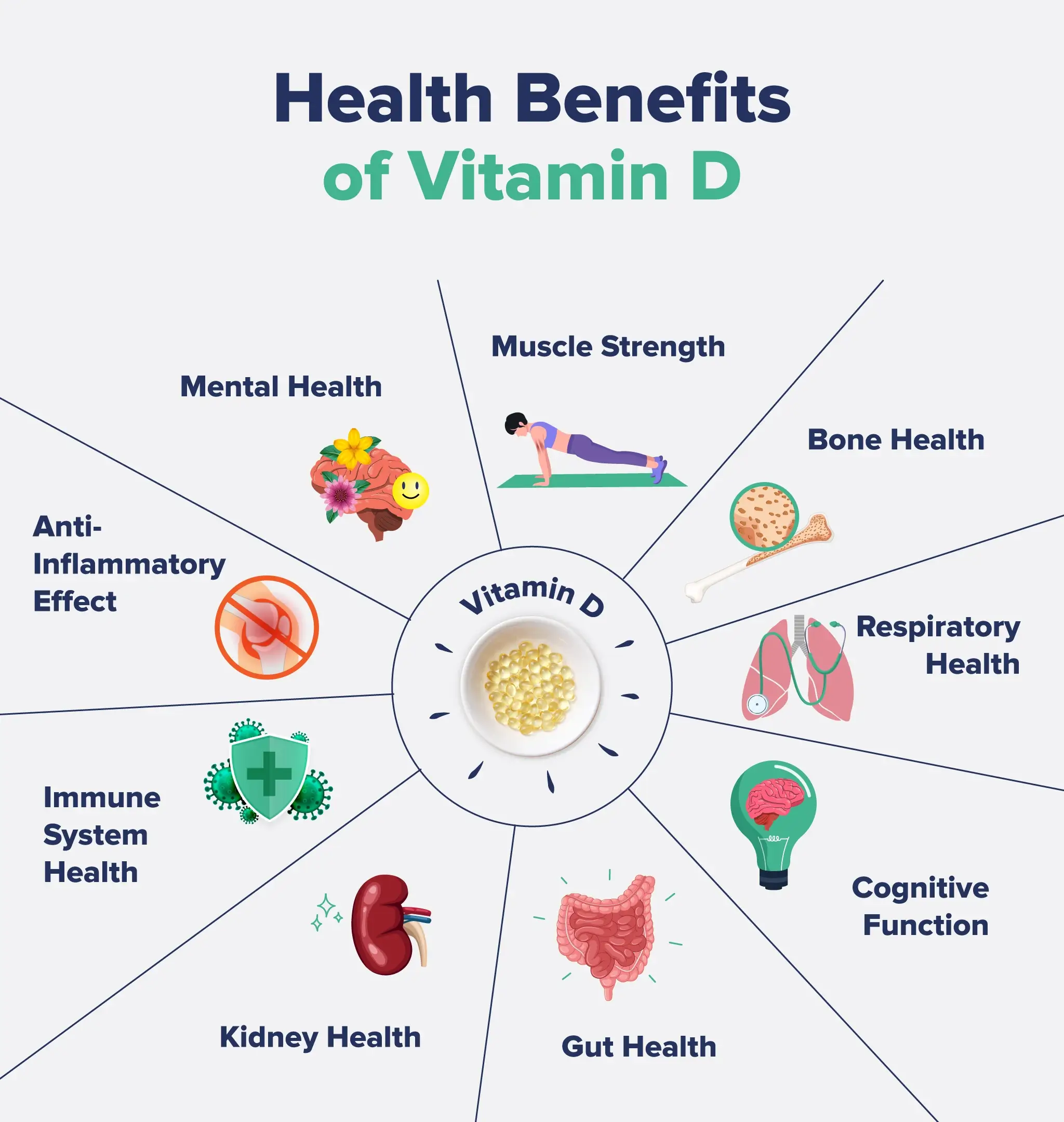
Why does that matter for depression and fatigue? Because vitamin D participates in pathways that affect neurotransmission, inflammation, and muscle function. Translation: it’s not only about bones and sunshine. It can also influence how your brain and body “communicate,” especially when levels run low.
The Depression–Fatigue Connection: What Research Suggests (Without Overselling)
Low vitamin D status has been associated in many studies with symptoms such as low mood, anxiety-like feelings, and persistent tiredness. But here’s the important nuance: correlation isn’t destiny. Some people are low in vitamin D and also feel low; improving vitamin D may help some individuals, yet it won’t magically replace therapy, sleep hygiene, or medical care.
Think of vitamin D as a supporting actor in the mental-health narrative. In certain people, addressing deficiency can reduce the “background static” that worsens fatigue and may influence mood stability. If your symptoms are moderate to severe, professional guidance remains essential.
The Practical Challenge: How to Know If You’re Low (Before Guessing)
If vitamin D were a movie, you wouldn’t want to watch only the trailer. You’d want the full script: blood testing. The most commonly assessed marker is 25-hydroxyvitamin D (25(OH)D), which reflects your vitamin D status.
A sensible 2025 approach is to test, interpret, and then act. If you consistently avoid sunlight, live in northern latitudes, wear clothing that limits skin exposure, have darker skin pigmentation, have limited dietary vitamin D, or have absorption issues, your risk of low levels increases.
Potential complications? Some conditions—like malabsorption syndromes or certain medications—can interfere with vitamin D processing. That’s why “self-prescribing” high doses without context can be a misstep.
Dosage Strategy (2025 Edition): Finding the Sweet Spot Safely
Vitamin D dosing is not one-size-fits-all. Age, baseline levels, body composition, sun exposure, dietary intake, and medical history all matter. Still, there are common patterns used in clinical practice and wellness settings:
1) Start where you are: If levels are low, supplementation is usually needed to restore them. If levels are borderline, smaller maintenance or targeted increases may be appropriate.
2) Prefer consistency: Daily or weekly dosing often works better than sporadic “mega-doses.” Your body likes regularity.
3) Avoid exuberance: Too much vitamin D can cause hypercalcemia (excess calcium in the blood), leading to symptoms such as nausea, constipation, confusion, and kidney stress.
If you’re considering supplementation, it’s wise to discuss dosage with a clinician, especially if you have kidney disease, a history of kidney stones, sarcoidosis, hyperparathyroidism, or you’re taking medications that affect calcium balance.
Choosing the Right Form: D2 vs D3 and Why Absorption Matters
Most people use vitamin D3 (cholecalciferol) because it’s commonly found in animal-derived sources and is widely used in supplements. Vitamin D2 (ergocalciferol) is also used, often from plant or fungal sources. In many real-world approaches, D3 tends to be preferred for maintaining and raising vitamin D levels.
Another detail worth respecting: take vitamin D with a meal that contains fat. Vitamin D is fat-soluble, which means absorption improves when dietary fat is present. A smoothie with nut butter, eggs with breakfast, or yogurt-based meals can help your body “capture” the nutrient rather than let it slip through the cracks.
Sunlight: The Original Blueprint (and Its Limits)
Sun exposure is the natural route to vitamin D, but it’s not always practical. Weather, lifestyle, skin sensitivity, and safety concerns influence how much sunlight you can get—and for how long.
Here’s the balance: aim for sun exposure in a way that doesn’t compromise skin health. Overexposure increases risk of burns and long-term skin damage. The goal isn’t to “chase vitamin D at any cost.” It’s to support your levels responsibly.
If sunlight is limited, supplementation becomes a more predictable tool than relying on seasonal chance.
Fatigue Signals: How Vitamin D Fits Into the Bigger Picture
Fatigue can be complicated. Vitamin D is one lever, not the only lever. Low vitamin D might coexist with iron deficiency, thyroid imbalance, sleep apnea, low magnesium intake, depression, chronic stress, or overtraining.
That’s why the smart move is to treat fatigue like a detective story. Keep a symptom journal. Note sleep quality, outdoor time, diet patterns, training load, and energy dips. Then consider medical evaluation for relevant causes—especially if fatigue is persistent, worsening, or accompanied by other symptoms.
Vitamin D may help some people feel more resilient, but pairing it with foundational health habits often produces better results than any single supplement alone.
What to Expect: Timeline, Reassessment, and “Data-Driven Hope”
When vitamin D is low, raising it is not instantaneous. Levels take time to build. Many individuals notice subtle changes gradually—like improved mood steadiness, reduced “fog,” or better recovery after exertion.
A thoughtful approach includes reassessment. Rechecking 25(OH)D after a dosing period (often several weeks to a few months, depending on the plan) can confirm whether your strategy is working. This is where you replace guesswork with evidence.
And if vitamin D improves neither fatigue nor mood, that doesn’t mean you failed. It means your body is telling you the plot twist is elsewhere.
Playful Self-Experiment: Pair Supplementation With a “Mood Protocol”
Want a challenge that’s both fun and functional? Try a 14-day “mood protocol” alongside vitamin D:
Daylight: Spend 10–20 minutes outdoors daily when possible. Movement: Do one short walk session—even 8 minutes counts. Hydration: Keep water intake steady. Protein: Include a protein source at breakfast. Sleep: Aim for a consistent bedtime window.
Then track: energy, mood, irritability, and sleep satisfaction. Vitamin D won’t do all the work, but it may amplify the effect of supportive habits. Small changes often add up more dramatically than people expect.
When to Seek Help: Safety First for Depression Symptoms
If depression symptoms are intense, persistent, or include thoughts of self-harm, urgent professional support is crucial. Vitamin D can be part of wellness, but it should never delay appropriate care.
Consider speaking with a healthcare professional for a comprehensive plan if you experience severe mood changes, inability to function, rapid deterioration, or concerning anxiety symptoms.
Common Mistakes to Avoid (So Your Effort Doesn’t Backfire)
Here are some frequent pitfalls:
1) Taking high doses without testing.
2) Skipping fat-containing meals when taking vitamin D.
3) Expecting immediate results overnight.
4) Ignoring other fatigue drivers like low iron or sleep disorders.
5) Failing to reassess levels and adjust.
These are subtle errors, but they can turn a good intention into a frustrating experiment.
Your 2025 Action Plan: A Cohesive, Sensible Next Step
Here’s a clean way to proceed: test your 25(OH)D level, discuss results with a clinician if possible, choose a safe dosing plan, take it with meals that include fat, and pair it with daylight, sleep consistency, and gentle movement.
Then revisit. Adjust. Measure progress. Your goal isn’t perfection—it’s alignment. When vitamin D is optimized, some people experience a noticeable lifting of fatigue and a calmer emotional baseline.
So, are you ready for the playful challenge? The next step might be as simple as booking a lab test, then turning sunshine logic into a personalized strategy for mood and energy in 2025.