There’s a peculiar kind of quiet happening in many adults over 50: not a dramatic symptom that announces itself, but a gradual slipping of energy, mood, and bodily resilience. Vitamin D—often nicknamed the “sunshine vitamin”—plays an outsized role in bone integrity, immune calibration, muscle function, and even the way your body manages inflammation. And yet, deficiency can be stealthy. The good news is that a well-structured symptom checklist can shift your perspective from “maybe it’s nothing” to “I can notice patterns, ask better questions, and act with precision.”
A First Look: Why Symptoms Sneak In After 50
After midlife, the body becomes less efficient at synthesizing vitamin D in the skin. At the same time, many lifestyles drift toward more indoor time, more sunscreen use, and less dietary supplementation. Aging also affects absorption and processing. The result can feel like a cluster of small inconveniences: stiffness that seems to belong to “just getting older,” fatigue that never fully resolves, and aching joints that come and go like a weather system.
This is where curiosity becomes useful. Instead of treating symptoms as isolated trivia, consider how they might be linked by a single, underlying biology. Vitamin D deficiency can manifest as a constellation—imperfect, overlapping, and occasionally misread as arthritis, stress, or simple deconditioning.
The Core Symptom Checklist: Signs Worth Paying Attention To
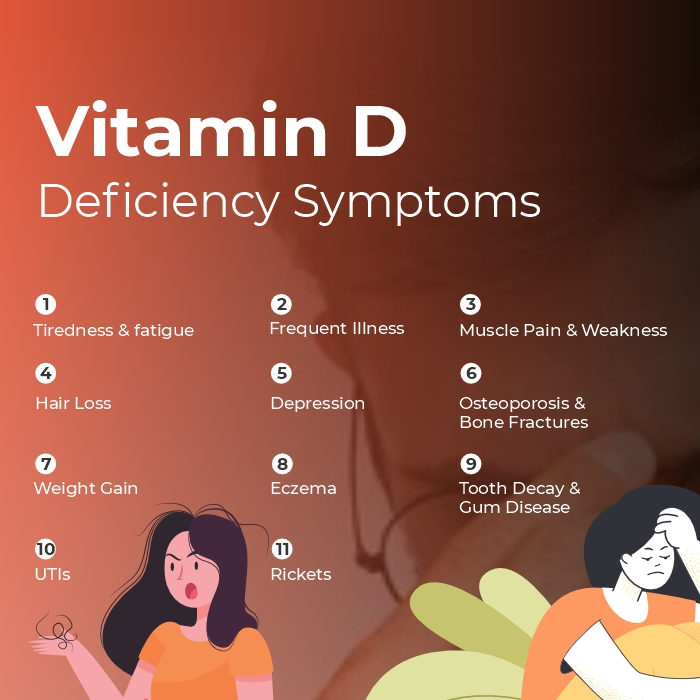
Think of the following as a practical checklist. Not every person experiences every item. But when several appear together—especially if they’ve been progressing—vitamin D deficiency rises on the list of plausible culprits.
1) Persistent Fatigue and Low “Get-Up-and-Go”
Fatigue can be mundane or profound. In deficiency, it may feel like your body is running on a dimmer switch. Some people describe a foggier cognition, reduced endurance, or a lingering heaviness that doesn’t match sleep quality. The pattern matters: fatigue that persists, worsens in winter, or correlates with reduced sun exposure deserves a closer look.
2) Muscle Weakness, Wobbliness, and Slower Recovery
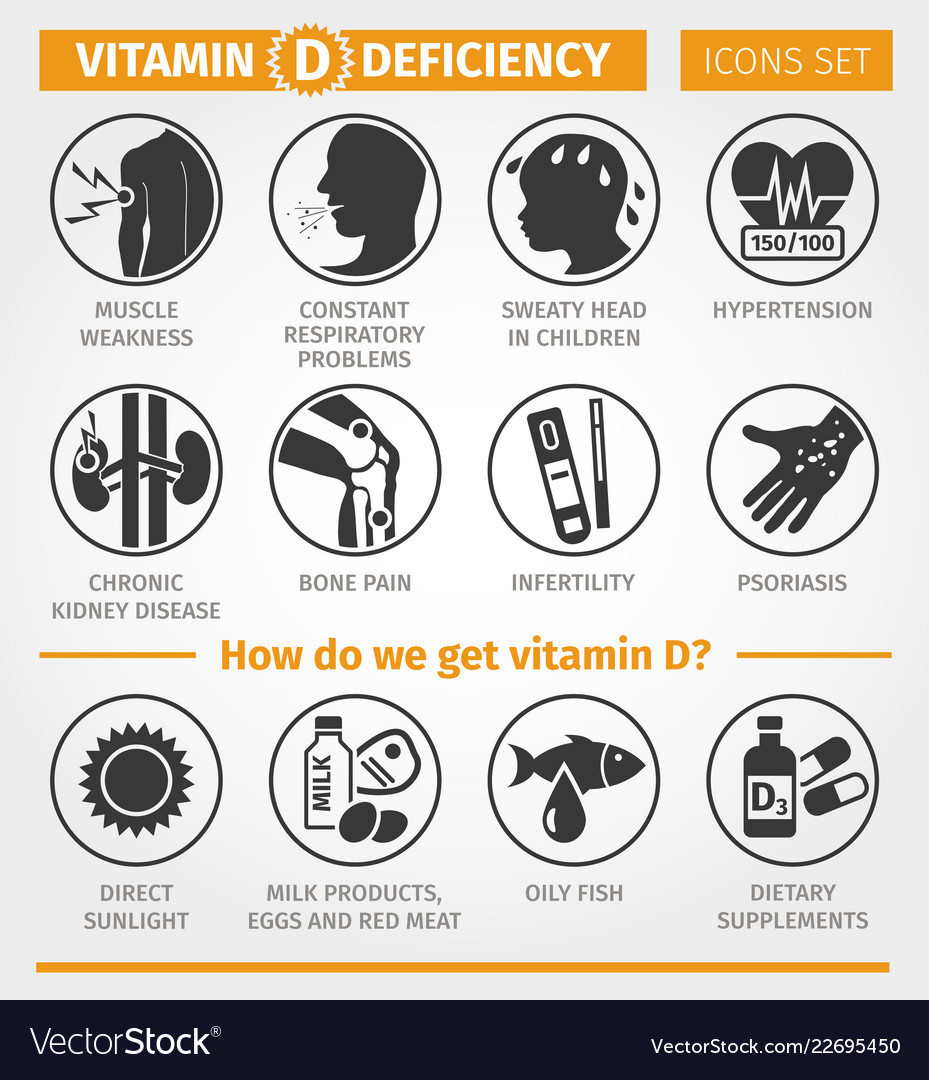
Vitamin D is closely tied to muscle performance. When levels are low, muscles may feel weaker, less coordinated, or slower to recover after minor exertion. You might notice difficulty climbing stairs, rising from a chair, or maintaining steady balance. The body can feel like it’s borrowing strength from another system—until it can’t.
3) Bone Pain, Aching Back, and Increased Skeletal Sensitivity
Bone discomfort can be intermittent and easy to rationalize. Yet persistent aches—particularly in the hips, back, or lower ribs—can accompany deficiency. Some people sense tenderness in areas that otherwise shouldn’t protest. If pain feels more like a continuous “throb” than a one-off injury, it’s worth investigating.
4) Frequent Falls or a Growing Fear of Falling
Balance is not only about the inner ear. Musculoskeletal coordination and reaction time are part of the story. Vitamin D deficiency can contribute to instability, especially in adults over 50. The subtle clue is behavioral: avoiding certain movements, gripping railings more often, or feeling suddenly less steady than before.
5) Joint Stiffness That Doesn’t Fully Behave Like Typical Arthritis
Arthritis and stiffness are common after 50. Still, deficiency can amplify discomfort and worsen function. Pay attention to whether stiffness seems less tied to “overuse” and more to seasons, indoor confinement, or low overall activity. When morning stiffness lingers and mobility feels capped, curiosity turns into a useful diagnostic mindset.
6) Mood Changes: Irritability, Mild Depression, or Emotional Flatness
Vitamin D receptors exist throughout the nervous system. Low levels may be associated with mood shifts—sometimes subtle, sometimes unmistakable. A person might experience irritability, emotional dampening, reduced motivation, or a persistent grayness that feels “uncharacteristic.” None of these confirm deficiency alone, but they can be part of a broader pattern when paired with musculoskeletal symptoms.
7) Susceptibility to Infections and Prolonged Recovery
Immune function is a layered process. Vitamin D helps guide immune responses—calibrating them rather than simply “turning them on.” Some people notice that colds linger, infections recur more often, or recovery from routine illnesses takes longer than it used to. If your immune system seems stubbornly behind, it’s another clue.
8) Hair Shedding and Changes in Skin or Nails
Hair and skin changes can have many causes—stress, thyroid issues, nutrient gaps, and more. Still, deficiency may contribute to overall dermatologic and hair health disruptions in some individuals. If hair shedding intensifies alongside fatigue and muscle weakness, it becomes a more meaningful piece of the puzzle.
9) Tingling, Cramps, or Unusual Neuromuscular Sensations
In more pronounced deficiency, nerve-muscle signaling can become less stable. Some individuals report cramps, tingling sensations, or a “jerky” feeling in muscles. These symptoms deserve attention not only for comfort, but because they can reflect shifts in mineral balance.
Seasonal and Lifestyle Pattern Clues
Here’s a perspective shift worth keeping: bodies often “tell the truth” through patterns. Do symptoms intensify during winter? Do they improve after a vacation with more sun exposure? Does spending time outdoors correlate with better energy or less stiffness? Seasonal variation can be a breadcrumb trail leading back to vitamin D.
Lifestyle also matters. People with indoor jobs, limited outdoor walking, or clothing coverage that blocks sun exposure may accumulate risk. Even conscientious sunscreen use can reduce skin synthesis—helpful for skin cancer prevention, but still relevant when discussing vitamin D adequacy.
High-Risk Factors: Who Should Be Extra Curious
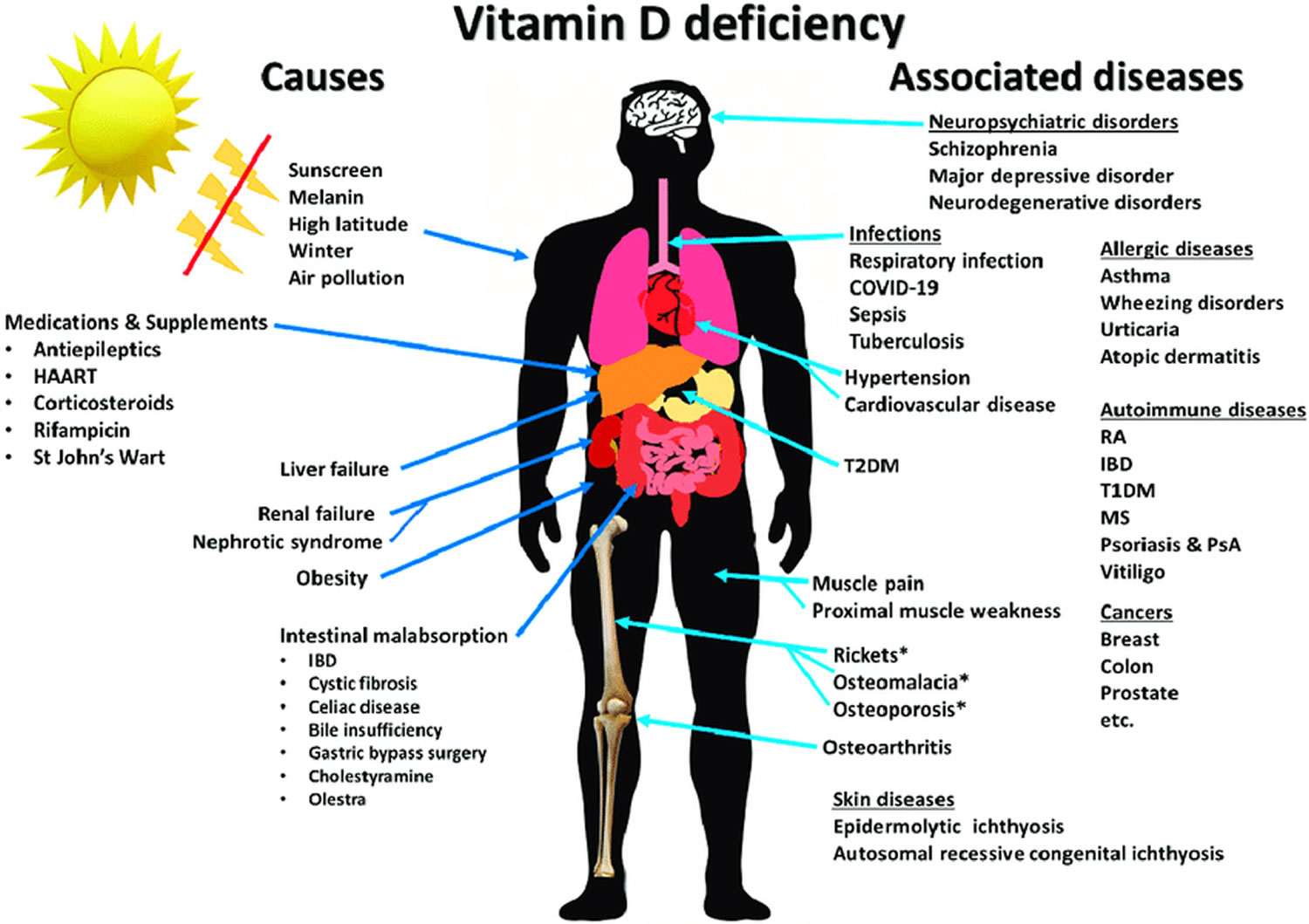
Certain groups face higher odds of deficiency: those with darker skin tones (less efficient vitamin D production), people with limited dietary intake, individuals with gastrointestinal disorders affecting absorption, and anyone using certain medications that influence vitamin D metabolism. Kidney and liver conditions can also disrupt how vitamin D becomes active. If any high-risk factor applies, the checklist becomes less of a “maybe” and more of a “check this.”
Why Testing Matters: The Numbers Behind the Story
Self-diagnosis can be seductive. It feels empowering, but it can also blur the line between correlation and causation. The most useful next step is typically a blood test—often measuring 25-hydroxyvitamin D. This doesn’t just validate suspicion; it provides a baseline that can guide treatment and track change over time.
When discussing results, it helps to think in trajectories rather than snapshots. Levels can fluctuate with seasons, supplement habits, and diet. A single reading is informative, but context turns it into clarity.
Common Confounders: When Symptoms Have Doppelgängers
Many vitamin D symptoms overlap with other conditions. Thyroid disorders, sleep apnea, anemia, chronic inflammation, medication side effects, and low magnesium or calcium can mimic similar experiences. That’s why the checklist is best used as an invitation to investigate, not as a final verdict. A cohesive clinical picture—symptoms plus history plus lab values—usually yields the most accurate answer.
Practical Next Steps: From Awareness to Action
If multiple items on the checklist resonate, it’s reasonable to book a conversation with a clinician and discuss testing. Lifestyle adjustments can complement medical guidance: moderate sunlight exposure where appropriate, vitamin D–fortified foods, and a supplement plan designed for your situation. The goal is not reckless supplementation, but calibrated replenishment.
Also consider muscle support. Resistance training and balance exercises can improve strength and reduce fall risk, regardless of the cause. In that sense, curiosity becomes action: you’re supporting your body today while you clarify what’s happening underneath.
Putting It Together: Your Personal Checklist Snapshot
Use this simple mental tally: fatigue, muscle weakness, bone aches, stiffness, balance changes, mood alterations, increased infections, skin or hair changes, and any neuromuscular sensations. Then add pattern evidence—seasonality, indoor time, dietary intake, and any risk factors. The more boxes that feel true, the more compelling it becomes to check vitamin D status.
When you treat symptoms as data rather than discomfort, your next steps become smoother. The body is rarely random. Even subtle signals often point toward an underlying narrative—one that can be revised with the right attention.
FAQ-Style Clarifiers (Quick Answers, Clearer Decisions)
Can vitamin D deficiency cause symptoms immediately? Changes can be gradual, but some people notice seasonal shifts or rapid worsening when levels dip further.
Is deficiency more common after 50? It often becomes more likely due to reduced skin synthesis and changing routines.
Should I start supplements without testing? Some individuals do, but testing is typically the smarter way to personalize dosing and avoid guesswork.
Will symptoms disappear once levels improve? Many improve, especially musculoskeletal discomfort and fatigue, but timelines vary. Consistency matters.
The Invitation: A Different Kind of Vigilance
Over 50, “normal aging” deserves respect—but not resignation. A symptom checklist for vitamin D deficiency isn’t about fear. It’s about recognition: noticing what your body is hinting at, then responding with thoughtful investigation. Let the shift happen inside your mindset first. Then let your next action follow.
If you’ve been chalking up fatigue to stress or stiffness to time, pause for a moment. The sun may be more involved in your day-to-day wellbeing than you think.