For years, vitamin D has been painted as bone’s faithful guardian—always ready to reinforce the skeleton, prevent fractures, and keep aging at bay. Yet the closer you look at the largest studies, the more the story changes. It’s not that vitamin D is useless. It’s that the relationship is less like a simple lever and more like a complicated symphony, where missing notes matter most. The truth about vitamin D and bone fractures isn’t a catchy slogan. It’s a shift in perspective—one that makes the evidence feel more human, more nuanced, and far more interesting.
Why “vitamin D = stronger bones” is an oversimplification
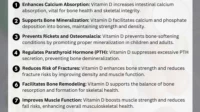
Bone is not a passive scaffold. It is a living organ—actively remodeled by osteoblasts and osteoclasts, responding to mechanical load, hormones, nutrition, inflammation, and even the rhythms of daily life. Vitamin D sits upstream in this network, helping the body absorb calcium and supporting normal bone mineralization.
So why do people still associate vitamin D with fractures in such a straightforward way? Because the biological plausibility is seductive. When calcium absorption improves, bones should, in theory, become more resilient. But fractures are not determined by one ingredient. They emerge from the cumulative impact of falls, muscle strength, vision, neurological function, overall diet quality, kidney health, and the gradual architecture of bone over time.
Large studies often reveal this reality: vitamin D can be helpful in certain contexts, yet its average effect across broad populations may appear muted. That doesn’t mean the mechanism is false—it means the outcome is multi-causal.
What large studies actually measure: averages, timing, and “baseline risk”
One of the most overlooked truths in nutrition science is that trials measure populations, not individuals. In many large investigations, participants were not uniformly vitamin D–deficient. When many already have adequate vitamin D status, supplementation may offer little additional benefit. It’s like adding extra lighting to a room that’s already bright.
Timing also matters. Bone remodeling is slow. A fracture, however, can happen quickly after a fall or sudden loss of stability. If the follow-up period is relatively short compared with the years over which bone density and microarchitecture shift, the signal can blur.
Finally, fracture risk is strongly connected to baseline factors: age, prior fracture history, frailty, concurrent medications, and the tendency to fall. In that crowded landscape, vitamin D becomes one variable among many—sometimes biologically relevant, sometimes statistically overshadowed.
Promises vs reality: what the strongest evidence suggests
There’s a reason vitamin D became a universal recommendation. In earlier smaller studies and observational work, low vitamin D levels were linked to higher fracture rates. That observation carries emotional weight—because deficiency feels like something fixable.
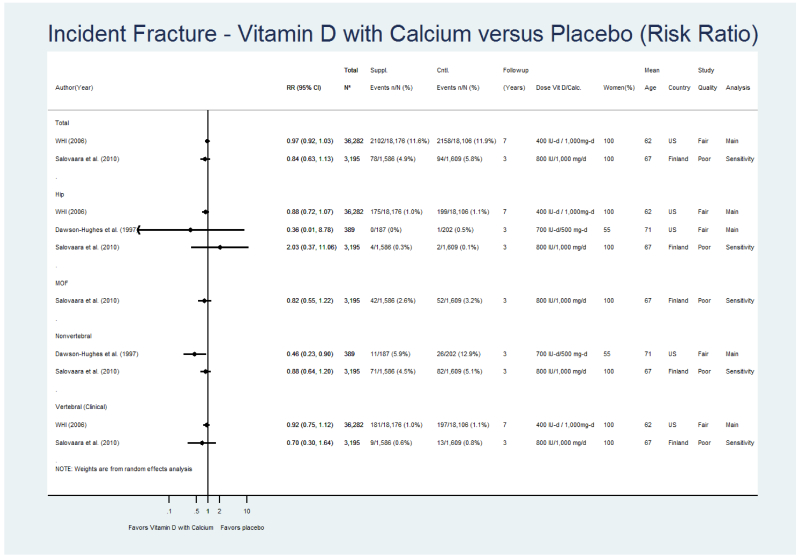
But when researchers tested supplementation in large randomized trials, the pattern was more conditional than universal. Overall, average fracture reductions were often modest, inconsistent, or absent. In plain language: vitamin D did not reliably prevent fractures for everyone, at least not in the “on average” sense that people hope for.
Yet here’s where curiosity should sharpen, not fade. Subgroup findings frequently suggest better outcomes for people who started with lower vitamin D levels or had specific nutritional vulnerabilities. The evidence begins to look less like a blanket and more like a targeted tool—useful when the “problem” is actually present.
Sunlight, food, and the hidden story of total nutrition
Vitamin D doesn’t operate in a vacuum. Bone health depends on calcium intake, protein sufficiency, magnesium, vitamin K–dependent pathways, and the overall dietary pattern that supports collagen integrity and mineral balance. If supplementation raises vitamin D but calcium intake remains low, bone mineralization may still be constrained.
Large studies sometimes include people with variable diets, inconsistent baseline nutrient status, and differences in physical activity. That matters because vitamin D may improve absorption, but the skeleton also needs the building materials—and the mechanical stimulus—to translate biology into strength.
Consider the subtle irony: a nutrient can be “corrected” in blood tests while the body still lacks a full ecosystem of bone-supporting inputs. That’s when supplementation feels like a promising headline that doesn’t match the lived outcome.
Fractures are not one thing: hip, vertebrae, and the complexity of endpoints
Not all fractures behave the same way. Hip fractures often reflect a high-risk combination of age-related bone loss and fall mechanics. Vertebral fractures can sometimes accumulate silently, influenced by spinal loading, microarchitecture, and height-related biomechanics.
In large studies, vitamin D effects—when present—may differ by fracture type. Some endpoints may show small improvements; others may remain unchanged. This fragmentation makes it tempting to declare defeat, but a more accurate interpretation is that vitamin D touches specific pathways rather than controlling the entire risk equation.
Curiosity is warranted: the “truth” may not be one headline result, but a set of context-dependent outcomes that require careful reading rather than quick conclusions.
How dose and regimen shape outcomes
Another reason large studies can disagree is that supplementation strategies vary. Daily, weekly, and high-dose “bolus” regimens are not interchangeable. High-dose schedules may produce transient peaks in blood vitamin D, which could influence downstream biology differently than steady dosing.
In clinical practice, adherence is also a silent variable. Pills taken inconsistently are unlikely to produce consistent biological effects. Large studies attempt to standardize dosing, but real-world variability still creeps in.
When researchers analyze dose-response patterns, the story can become more intricate. The goal is not merely “more vitamin D,” but the right pharmacokinetic rhythm—one that supports calcium metabolism and bone remodeling without introducing unintended consequences.
Who benefits most? The most compelling subgroup pattern
The strongest narrative in large studies often centers on participants with low baseline vitamin D or higher deficiency risk. In that group, supplementation may act as a metabolic correction—restoring a deficit that was quietly undermining bone physiology.
This is where the evidence becomes less discouraging and more empowering. Instead of asking, “Does vitamin D prevent fractures?” the more useful question becomes: “Is vitamin D a missing link in this particular person?” For someone with low vitamin D status, limited sun exposure, darker skin pigmentation, malabsorption disorders, or limited dietary intake, the probability of meaningful benefit rises.
The shift in perspective is subtle but profound: vitamin D is less like a universal shield and more like a repair for a specific vulnerability.
Measuring vitamin D: blood levels, interpretation, and uncertainty
Vitamin D status is typically assessed using blood 25-hydroxyvitamin D. But lab thresholds are debated. A level that looks adequate might still be insufficient for certain bone-related mechanisms—or for people with other compounding risk factors.
Also, blood levels can fluctuate with seasonality, body composition, and genetics. Large studies sometimes average out these fluctuations, potentially masking who experiences periods of true deficiency.
This doesn’t make the testing useless. It makes it contextual. A measurement is a snapshot, not a biography. The more complete interpretation comes from pairing vitamin D results with diet, mobility, fall risk, and overall health.
The paradox of supplements: correcting a number vs changing destiny
One of the most thought-provoking themes in large studies is the disconnect between improving biochemical markers and preventing hard clinical outcomes like fractures. Vitamin D can raise blood concentrations and influence calcium handling, yet fracture rates may not shift dramatically.
Why? Because fracture prevention hinges on musculoskeletal robustness—muscle strength, balance, reaction time, and safe movement. Even perfect bone chemistry cannot fully compensate for frequent falls or severe frailty.
In other words, vitamin D may be necessary for optimal bone metabolism, but it is rarely sufficient for fracture prevention alone. The skeleton is a partnership between mineral density and physical function.
A smarter strategy: vitamin D as part of a bone-defense blueprint
If the evidence teaches anything, it is that fracture prevention works best as a blueprint, not a single-ingredient bet. For many people, the most effective approach pairs vitamin D sufficiency with adequate calcium intake, resistance training, balance training, and an honest assessment of fall risk.
For older adults, medication review matters too—some drugs increase dizziness or muscle weakness. For people with malabsorption, kidney disease, or endocrine disorders, the “right” vitamin D pathway may differ. And for anyone with prior fractures, the plan should be individualized rather than generalized.
Vitamin D becomes a foundational element when it fills an actual gap. Otherwise, the skeleton still needs attention from other angles: nutrition, strength, and safety.
Visualizing the story: how vitamin D connects to bone metabolism
Seeing the pathway can help convert abstract evidence into an intuitive model—vitamin D influences calcium absorption, supports mineralization, and interacts with bone remodeling. Yet the final outcome depends on how that biology meets the realities of aging, nutrition, and mobility.

Another way to picture the nuance is to imagine a threshold effect. When vitamin D deficiency is present, bone metabolism may lag. When vitamin D status is already adequate, supplementation may not produce enough incremental change to translate into fewer fractures.
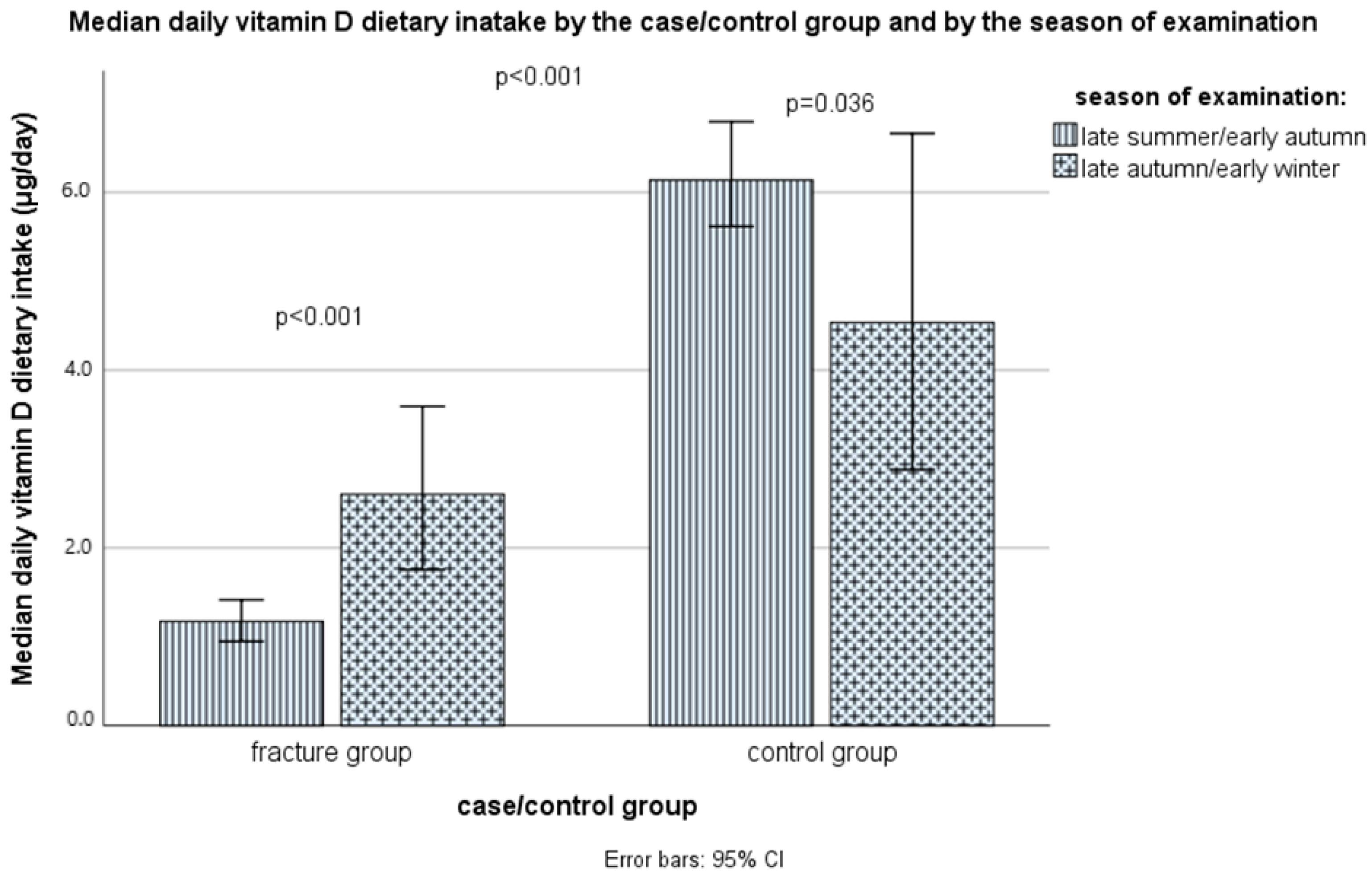
Finally, fracture outcomes depend on the broader bone environment. Vitamin D can be one component among many that determine fracture risk—so the most reliable prevention strategies never rely on supplements alone.

The bottom line: evidence that invites better questions
The truth about vitamin D and bone fractures in large studies is not a simple yes or no. It’s a conditional yes, a context-dependent reality. Supplementation tends to be most beneficial when vitamin D deficiency is present or when broader nutritional and health vulnerabilities amplify the deficit’s impact.
So rather than chasing a universal fracture-prevention miracle, a more powerful mindset emerges: check status, ensure calcium adequacy, strengthen muscles, reduce fall risk, and treat bone health like an ecosystem. The evidence doesn’t remove hope—it refines it. And once you see that, the story stops feeling like disappointment and starts feeling like clarity.