Pregnancy is a season of careful trade-offs, where every nutrient decision carries both hope and caution. Among the candidates that spark frequent conversation, high-dose vitamin D stands out—half reassurance, half unresolved curiosity. Many expect an uncomplicated story: “more” might mean “better.” Yet the real narrative is subtler. Safety depends not only on dose, but on baseline status, timing, individual physiology, and the body’s ability to keep calcium metabolism in a safe orbit. What fascinates clinicians and researchers is that vitamin D is both a nutrient and a hormonal signal—an envoy that can influence immunity, placental function, and fetal development, while also requiring guardrails to prevent biochemical overreach.
Why High-Dose Vitamin D Raises a Common Observation
It is common to hear a familiar concern: if vitamin D is “good,” why not take more? The observation often follows a logic that feels intuitively reasonable—deficiency is harmful, therefore supplementation at higher doses seems like a direct route to protection. The anxiety deepens when people compare vitamin D to vitamins with a more linear safety profile, forgetting that vitamin D has a broader endocrine reach. Its active metabolites interact with multiple systems, including those that regulate calcium absorption and bone turnover. When that interaction is pushed too far, the body can respond with hypercalcemic tendencies—an undesirable state that can complicate pregnancy.
But here’s the twist that fuels fascination: pregnancy itself alters vitamin D kinetics. Blood volume expands. Placental transport reshapes demand. Metabolism and storage behavior can change. So the “same dose” may not behave the same way across gestation, especially between someone who begins pregnancy vitamin D–replete versus someone who enters it deficient. Safety is therefore not a single yes-or-no verdict; it is a contextual judgment.
Understanding the Mechanism: More Than a Vitamin
Vitamin D is often described as a vitamin, yet during pregnancy it behaves like a steroid-preparatory hormone. The body converts it through enzymatic steps into 25(OH)D, the circulating indicator, and then into the more active forms that exert effects at the cellular level. These signals can support skeletal development, modulate immune tolerance, and influence placental signaling pathways. The deeper reason people remain captivated is that this nutrient seems to participate in a network, not a single outcome.
However, the very network that makes vitamin D compelling also explains why dosing must be disciplined. When supplementation increases 25(OH)D substantially, downstream pathways may increase calcium absorption. In most people, homeostatic mechanisms buffer this rise. In others—particularly when baseline deficiency is severe, doses are high for long periods, or additional calcium sources are abundant—buffer capacity may be tested.
What “Safety” Actually Means During Pregnancy
Safety is often mistaken for the absence of obvious harm. In clinical reality, safety is measured through a mosaic of biochemical markers and clinical endpoints. Key considerations include calcium levels, kidney function indicators, and any signs of toxicity or adverse pregnancy events. The body’s ability to maintain calcium homeostasis—often discussed in terms of “normal ranges”—is central.
Pregnancy adds complexity. Symptoms that might be minor outside gestation can become relevant when they relate to hydration, renal workload, or blood pressure regulation. Safety monitoring therefore tends to include periodic assessment rather than a one-time reassurance.
Dose, Duration, and Individual Starting Levels
The most instructive principle is that dose is not the sole actor; duration and baseline status are co-authors of the safety story. Someone who starts pregnancy with low 25(OH)D may need a more assertive “repletion” strategy to reach a therapeutic window. Conversely, a person already near adequacy may not benefit from aggressive dosing, because their system may already be near equilibrium.
Higher-dose protocols are typically designed to lift levels efficiently and then transition to maintenance. This “train then cruise” approach can be safer than continuous high dosing. It also reflects a practical understanding: the goal is not maximal vitamin D. The goal is functional adequacy—enough signaling for benefit without pushing the system toward biochemical excess.
Calcium Metabolism: The Main Guardrail
If there is one biochemical axis that clinicians watch closely, it is calcium metabolism. Vitamin D facilitates intestinal calcium absorption. When vitamin D levels rise substantially, calcium levels can follow. Excess calcium can lead to a chain of consequences, including kidney-related concerns and, in severe cases, symptomatic hypercalcemia.
In typical supplementation regimens—especially those supervised with appropriate monitoring—this cascade is uncommon. Yet the possibility is not hypothetical; it is the reason medical discussions repeatedly emphasize thresholds, individualized care, and avoidance of stacking multiple high-dose vitamin D products at once.
There is also a timing dimension. Pregnancy is not static. As gestation progresses, physiological demands evolve. A dosing plan should respect this rhythm rather than treating pregnancy as a single uniform metabolic scene.
Evidence Signals: Where Safety Is Generally Reassuring
Across clinical practice and research discussions, high-dose vitamin D during pregnancy is frequently described as generally well tolerated when delivered under structured protocols. Observational patterns often show that repletion does not inevitably produce toxicity when doses are calibrated, patients are screened, and follow-up is conducted. The fascination here is not merely the lack of catastrophic outcomes; it is the suggestion that the body’s endocrine machinery—when guided—can absorb and use vitamin D without crossing hazardous borders.
At the same time, caution is warranted. “Generally reassuring” does not mean “risk-free.” Even if severe adverse events are rare, mild biochemical shifts can occur. The clinical task is to identify which individuals are more vulnerable—those with certain metabolic backgrounds, inadequate monitoring, or unrecognized confounders like concurrent supplementation or dietary calcium patterns.
The Deeper Reasons Researchers Keep Returning to Vitamin D
Vitamin D is interesting because it bridges physiology and immunology. Pregnancy requires immune equilibrium: the maternal body must tolerate the semi-allogeneic fetus while remaining capable of defense. Vitamin D appears to participate in this negotiation. It may influence inflammatory pathways and immune cell behavior. The prospect that supplementation could affect outcomes beyond bone health—while still being feasible and relatively accessible—has fueled enduring scientific curiosity.
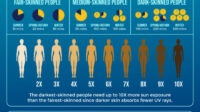
Another reason for fascination is the mismatch between population assumptions and individual biology. Many people believe they are “probably fine” because they get some sunlight or consume modest amounts of vitamin D. Yet sunlight exposure varies dramatically, skin pigmentation changes vitamin D synthesis, and geographic latitude affects ultraviolet intensity. The result is a hidden iceberg: average intake does not guarantee adequate serum levels. High-dose strategies, when targeted, may act as a corrective lens for that discrepancy.
Potential Risks and Common Missteps to Avoid
Even when high-dose vitamin D is safe under guidance, certain patterns increase risk. One misstep is self-escalation—taking additional supplements on top of prenatal vitamins without calculating total vitamin D exposure. Another is ignoring baseline measurement when possible. Without knowing starting 25(OH)D, it is harder to predict how aggressively supplementation will raise levels.
Overuse of high-dose vitamin D for extended periods without maintenance planning can also be problematic. Pregnancy often encourages supplement “stacking,” which sounds protective but can quietly overshoot safe thresholds.

Monitoring and Practical Safety Strategies
Safety improves when supplementation is paired with monitoring. Clinicians may check 25(OH)D and calcium, particularly for higher-dose regimens or in individuals with prior deficiency, kidney concerns, or additional risk factors. Monitoring is less about suspicion and more about precision. It transforms supplementation from a leap of faith into an engineered process.
Practical strategies include aligning vitamin D plans with prenatal care schedules, clarifying total daily intakes (including fortified foods and separate supplements), and ensuring hydration and nutrition are reasonable. When the dosing window is clear—repletion first, maintenance later—vitamin D becomes a tool rather than an open-ended experiment.

Expert Opinion: A Balanced, Individualized Stance
Expert opinion tends to converge on a measured stance: high-dose vitamin D during pregnancy can be safe and beneficial when it is prescribed thoughtfully. The safety profile improves dramatically with individualized assessment—especially baseline 25(OH)D status—and when clinicians consider the calcium pathway as a co-target. The aim is adequacy within a therapeutic range, not maximal elevation.
Long sentences often try to capture nuance, but the core message is simple. Vitamin D supplementation during pregnancy should be purposeful, monitored when appropriate, and coordinated with other nutrients rather than added impulsively. Safety is not only what the dose “is.” Safety is what the dose “does,” in a particular person, at a particular time.
Conclusion: Reassurance with Respect for Biology
High-dose vitamin D during pregnancy is not a reckless remedy, nor is it an automatic answer to every nutrition question. Its safety depends on dosing design, starting status, duration, and guardrails around calcium metabolism. The ongoing fascination is understandable: vitamin D sits at the crossroads of skeletal health and immune signaling, yet it requires biochemical respect because it operates through pathways that can overshoot if handled casually.
When guided with clinical prudence—measured doses, appropriate monitoring, and thoughtful transitions—high-dose vitamin D can be a stabilizing intervention. It helps pregnancy navigate a complicated biochemical landscape with fewer blind spots and more clarity.