Imagine vitamin D as a dimmer switch for the body’s countless systems—imprecise at first, then oddly precise once you dial it in. For many US adults, that “starting line” sits in a practical zone: 1000–2000 IU per day. Not flashy. Not extreme. Just steady, methodical, and—when paired with a little curiosity and smart monitoring—remarkably effective.
Why “safe” doesn’t mean “static”
“Safe starting dose” is often treated like a fixed number carved into stone. But the human body is more like a responsive instrument than a one-size-fits-all machine. Your baseline vitamin D status, sun exposure patterns, skin pigmentation, body composition, and even seasonal shifts can quietly reshape how your body handles the same IU amount.
That’s why 1000–2000 IU is frequently positioned as a conservative, approachable range for most US adults. It tends to be gentle enough to start without drama, yet substantial enough to nudge serum levels in a favorable direction for many people.
Think of it as a low-friction ramp. Instead of charging uphill, you begin with a manageable incline—then adjust based on reality, not guesswork.
The perspective shift: dosing is a conversation with your 25(OH)D
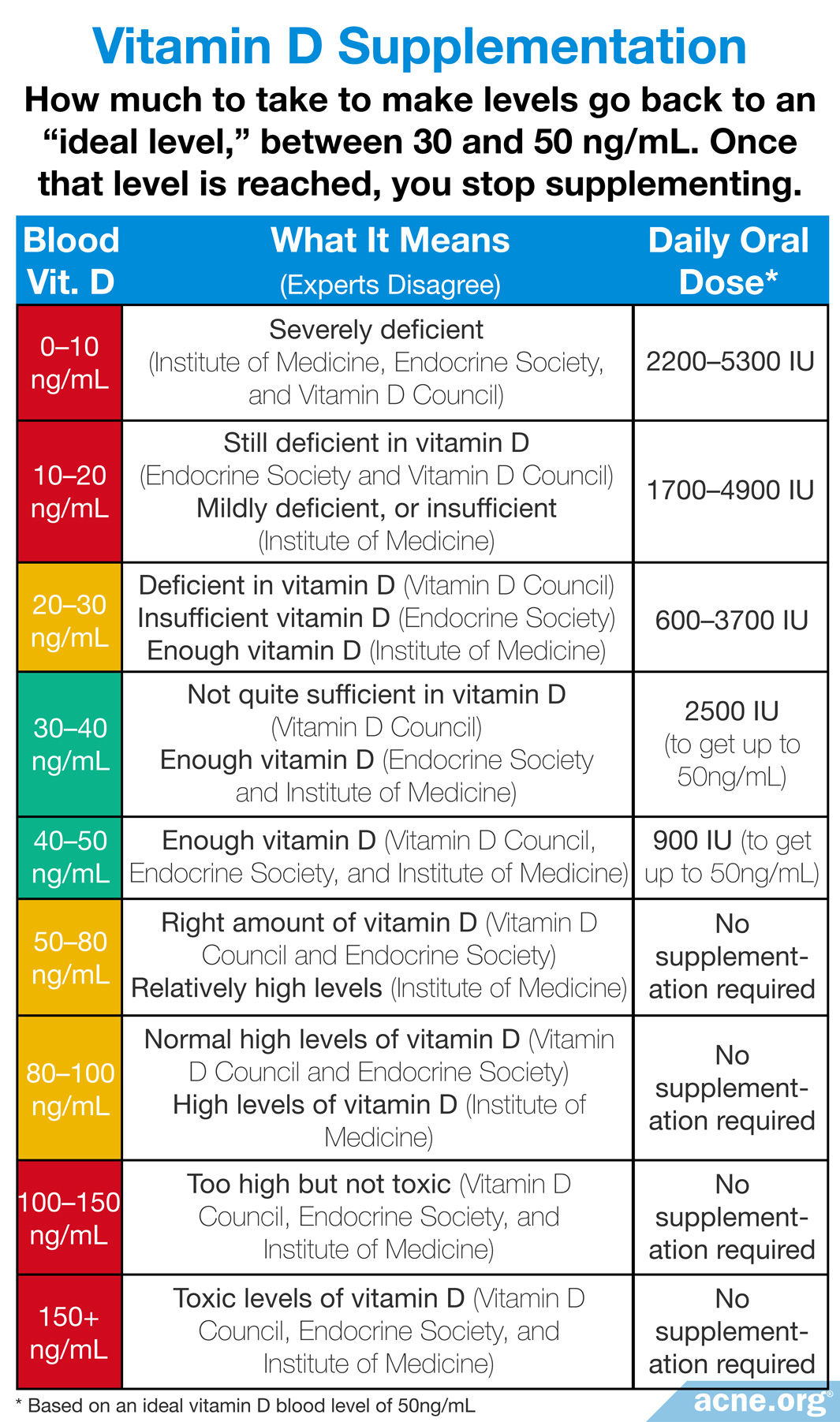
Most dosing advice stops at “take this.” The more interesting question is: how will your body respond? Vitamin D is commonly assessed through a blood marker known as 25(OH)D (25-hydroxyvitamin D). This metric offers a clearer portrait than simply counting pills or estimating sun exposure.
When you take 1000–2000 IU, you’re not just adding vitamin D—you’re setting conditions for your body to reach a more stable internal equilibrium. Some people rise faster. Others need time. A few need a different strategy altogether. The magic is in the adjustment loop.
If you’ve ever felt like supplements were either “too little to matter” or “too much to trust,” this approach reframes the story. The dose becomes hypotheses you test, not commandments you obey.
So what is the safe starting dose for most adults—1000 to 2000 IU?
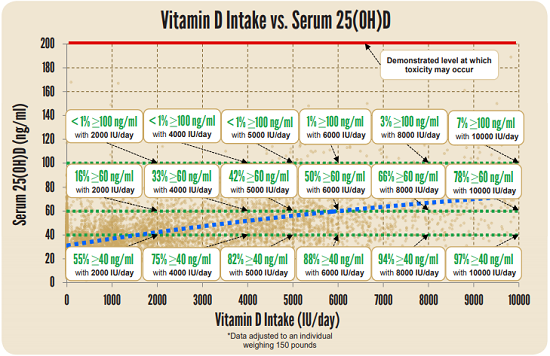
For the average US adult without unusual risk factors, a daily intake in the 1000–2000 IU range is commonly considered a reasonable starting zone. It’s high enough to be meaningfully active, yet low enough to avoid the most alarming escalation patterns.
Here’s the nuance: “most adults” includes people with different starting levels. Someone who already lives near the upper end of normal might see minimal change. Someone starting low may notice a more obvious shift. Either way, the range is designed to be forgiving.
Many people choose 1000 IU as a cautious entry point, then consider 2000 IU if they’re consistently deficient, have limited sun exposure, or prefer a faster trajectory (while still staying within a typically conservative ceiling for routine use).
Which “starting point” fits you best?
Before you select between 1000 and 2000 IU, consider the quiet variables that affect vitamin D status. These aren’t moral flaws or lifestyle failures; they’re biological and environmental realities.
Guiding clues include:
1) Sun exposure variability
If you spend most days indoors, avoid midday sun, or live in a latitude where winter sun is weak, the body may not synthesize enough vitamin D to maintain levels.
2) Skin characteristics
Melanin-rich skin can reduce vitamin D production from sunlight, making supplementation more relevant.
3) Body composition
Vitamin D can be sequestered in adipose tissue. Higher body fat percentages may correlate with slower increases from modest dosing.
4) Age and absorption context
Older adults may have reduced cutaneous synthesis capacity. Also, some gastrointestinal conditions and medication patterns can interfere with absorption.
5) History of low vitamin D
If you’ve previously been deficient, you may benefit from a slightly stronger starting dose—still within the prudent range.
In short: 1000 IU is a gentle “hello.” 2000 IU can be a confident “let’s move,” especially if you’re likely to be starting behind the baseline.
How fast should you expect results?
Vitamin D isn’t a microwave nutrient for instant gratification. It behaves more like a slow-rising dough—shaping itself over weeks as the system equilibrates. Many people reassess after roughly 8–12 weeks when starting or adjusting supplementation.
During this interval, you’re giving your body time to translate the daily intake into a more stable 25(OH)D level. Some will see meaningful progress sooner. Others require longer to reach the plateau.
A practical mindset helps: measure, don’t merely assume. If you have access to testing, treat the lab value as a compass reading—not a moral report card.
What “too much” really means: safety boundaries and common misconceptions
It’s tempting to treat vitamin D like a simple “more is better” supplement. But vitamin D is fat-soluble, which means the body can store it. Excess can contribute to elevated calcium levels, potentially leading to symptoms that range from subtle (fatigue, thirst) to more serious outcomes if unchecked.
That’s why routine daily use should respect sensible ceilings and why monitoring matters for those who are higher-risk, already taking multiple supplements, or using vitamin D for extended periods.
A helpful principle is the least effective dose: start within 1000–2000 IU, then adjust based on lab results and symptom context. This is less glamorous than megadosing, but often more enduring.

How to take it: timing, consistency, and the “absorption choreography”
Vitamin D absorption improves when taken with dietary fat. This is one of those biochemical details that feels oddly cinematic once you notice it: vitamin D enters the stage more effectively alongside lipids, then circulates through the bloodstream to do its work.
So, consider pairing your dose with a meal that includes some fat—eggs, yogurt, salmon, olive oil, nuts, or even a balanced lunch. You don’t need to overcomplicate it. Just avoid taking vitamin D on an entirely empty stomach if you can help it.
Consistency matters more than perfect timing. Daily dosing tends to create a stable intake pattern, reducing the whiplash effect of sporadic use.
Who should be extra cautious (and sometimes skip the “most adults” rule)?
The phrase “most US adults” is doing important work. Certain people should be more cautious and consider clinician-guided dosing, especially if they have medical conditions or take medications that can change vitamin D and calcium balance.
Extra caution is often wise for:
• Individuals with hypercalcemia or a history of kidney stones related to calcium metabolism
• People with kidney disease affecting vitamin D activation
• Those with hyperparathyroidism or certain granulomatous diseases
• Anyone on medications that interact with vitamin D metabolism or calcium regulation
For these cases, the “safe starting dose” might still be within the general range, but the path should be customized with appropriate testing and follow-up.
The curiosity payoff: pairing vitamin D with a broader bone-health lens
Vitamin D rarely exists alone. It participates in a calcium stewardship system that supports bones, muscles, and neuromuscular function. If your diet is low in calcium, vitamin D may help you absorb what you’re actually consuming—yet it can’t conjure calcium from thin air.
Many people overlook this. They focus on IU counts while ignoring the environmental variables: calcium intake, magnesium adequacy, protein sufficiency, and overall movement patterns.
So the clever strategy is to treat vitamin D as a cornerstone, not a lone pillar. Your starting dose can be safe and sensible, but your outcomes often improve when the rest of the foundation is aligned.
A simple starting plan you can actually follow
Here’s a practical, low-friction approach many adults adopt:
1) Choose 1000 or 2000 IU daily
Start at 1000 IU if you’re unsure or prefer minimal escalation. Choose 2000 IU if you’re likely low due to sun exposure constraints, prior results, or other risk cues.
2) Take it with a meal containing fat
Aim for consistency over novelty.
3) Recheck in about 8–12 weeks if possible
Use 25(OH)D as the feedback mechanism. Adjust thoughtfully, not anxiously.
4) Keep a “no-compounding surprise” mindset
Watch for multiple products that each contain vitamin D.
5) Reassess seasonally
If winter sun is a distant memory, your maintenance needs may change.
In the end, the safe starting dose of vitamin D for most US adults isn’t a trapdoor into excess. It’s a careful doorway into better biology—one that rewards patience, monitoring, and a shift in perspective from “take and hope” to “measure and refine.”