Vitamin D doesn’t just “support bones.” It acts more like a backstage stagehand—quietly controlling lighting, timing, and cues that determine how muscles behave when the spotlight hits. Some fibers sprint like a sprinter breaking from the blocks. Others settle into a long, steady rhythm like a metronome that never tires. Between those two worlds—fast-twitch and slow-twitch—vitamin D may shape the script, influencing how strength, endurance, and recovery feel in real life.
Vitamin D as a Muscle Conductor
Imagine your skeletal muscles as an orchestra. Fast-twitch fibers are the percussion—sharp, explosive, quick to spark. Slow-twitch fibers are the strings—resilient, sustained, and graceful under load. Vitamin D is the conductor’s signal system, helping coordinate cellular processes that affect muscle function. It interacts with the vitamin D receptor (VDR), which is present in many tissues, including muscle-related pathways.
When vitamin D status is adequate, the conductor can “call” appropriate responses: improved cellular housekeeping, better responsiveness to training stress, and smoother transitions from strain to repair. When vitamin D is low, the performance can become erratic. Even if training is consistent, recovery may lag. Strength gains and endurance adaptations can feel less dependable.
Fast-Twitch Fibers: The Need for Readiness
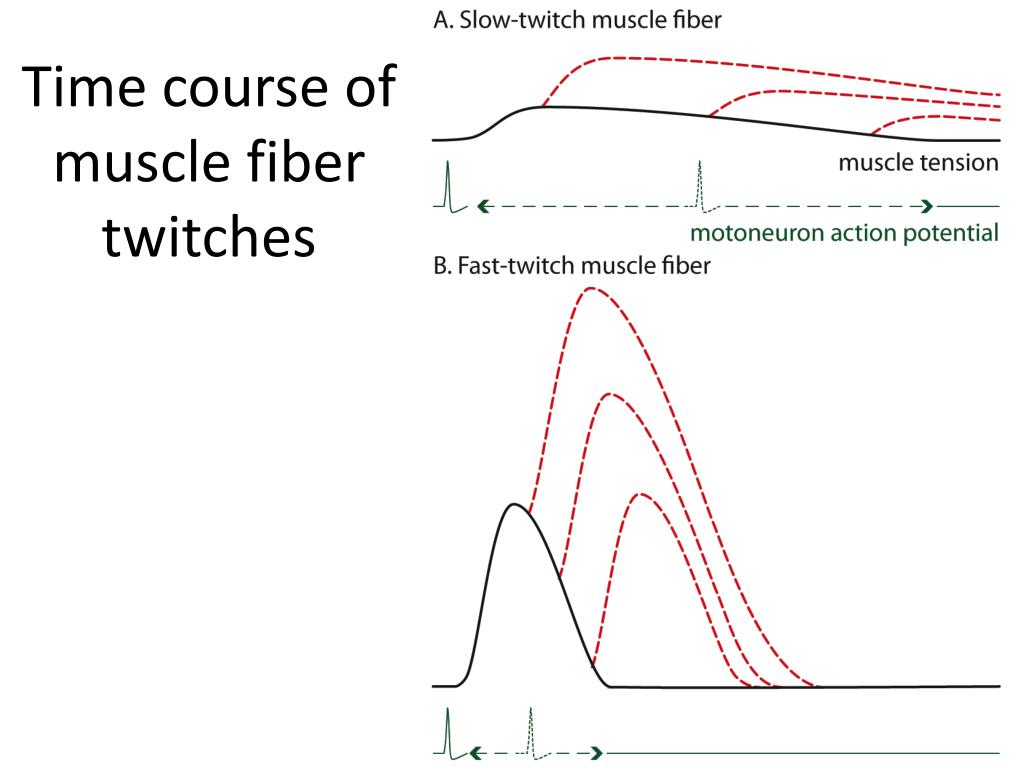
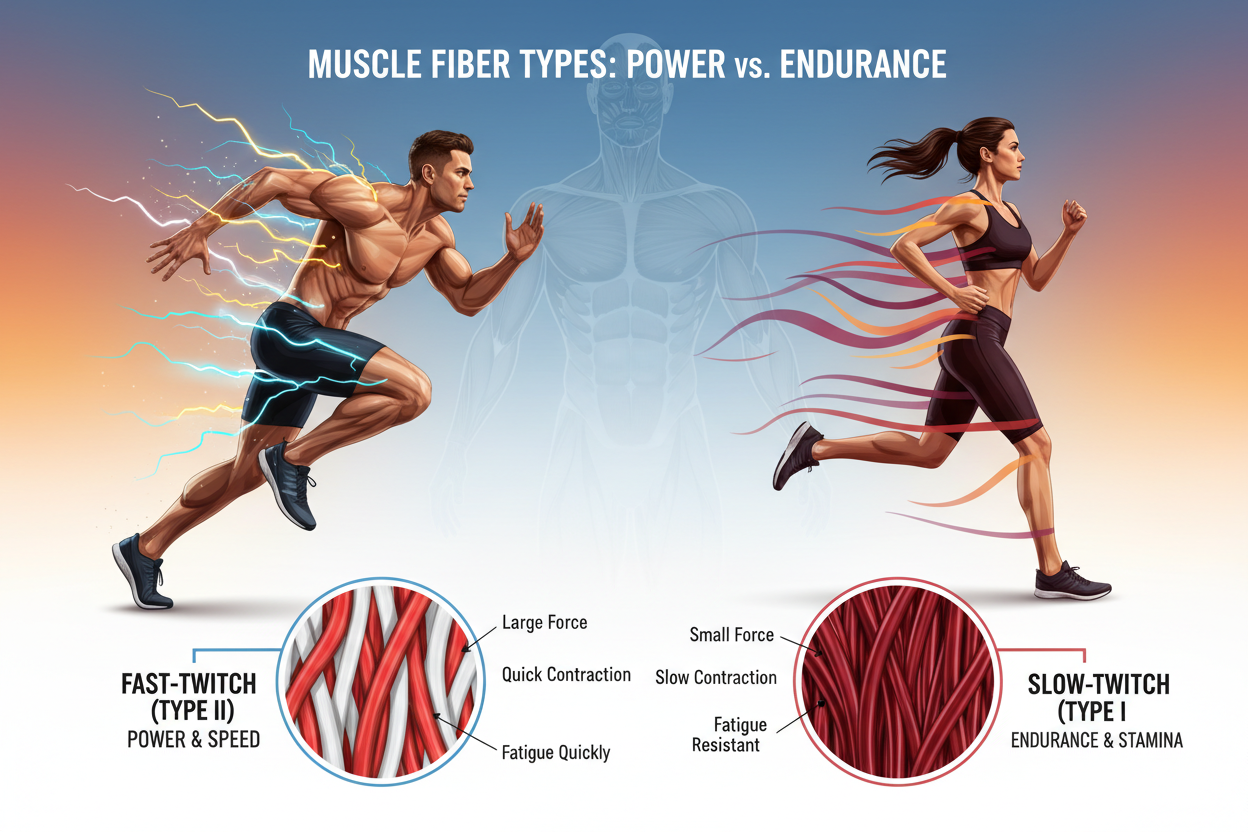
Fast-twitch muscle fibers (often associated with type II fibers) are specialized for rapid force production. They rely on high-energy pathways and tend to fatigue sooner. Think of them as dry kindling: they ignite quickly, but they don’t burn forever.
Vitamin D’s role here can be indirect but meaningful. By supporting cellular signaling involved in muscle function and potentially influencing inflammatory balance, adequate vitamin D may help fast-twitch fibers recover more efficiently after intense efforts—sprints, heavy lifts, jumps, or explosive intervals. Better recovery is not a small detail; it’s the difference between training “hard” and training “hard repeatedly.”
Consider what happens when vitamin D is insufficient: the body may experience higher stress signals and less efficient cellular repair. Fast-twitch performance can suffer because these fibers demand rapid restoration. A sprinter doesn’t just need speed; they need their recovery gears to reengage fast.
Slow-Twitch Fibers: The Value of Steady Fuel
Slow-twitch fibers (often linked with type I fibers) are built for endurance. They generate force more gradually, withstand longer durations, and are closely associated with aerobic metabolism. If fast-twitch is dry kindling, slow-twitch is a smoldering ember—steady, controlled, persistent.
Vitamin D may support the conditions that allow endurance-oriented training to deliver consistent adaptations. Endurance work is not only about stamina; it’s about maintaining efficiency across prolonged stress. Vitamin D’s involvement in metabolic and cellular signaling could influence how well muscle tissue adapts to repeated bouts of aerobic demand.
When vitamin D is adequate, slow-twitch fibers may respond more reliably to training stimuli—supporting improved oxidative capacity, better neuromuscular function, and a more favorable recovery environment. When vitamin D is low, endurance sessions can feel heavier, recovery slower, and motivation more fragile. The body can become less fluent in “long-form movement.”
The Shared Chemistry: Calcium Signaling and Neuromuscular Communication
One of vitamin D’s best-known roles is supporting calcium absorption. Calcium isn’t merely a mineral; it’s a messaging currency inside muscle cells. During contraction, calcium availability helps orchestrate excitation–contraction coupling—the choreography that translates neural commands into mechanical force.
Fast-twitch fibers, which require quick, forceful contractions, benefit from efficient signaling. Slow-twitch fibers, which sustain contractions over time, rely on finely tuned calcium handling as well. Even if the fiber types differ in energy usage and fatigue resistance, they share the same fundamental need: a reliable calcium “switchboard.”
If vitamin D is low, calcium handling can become less optimal, potentially affecting both maximal strength efforts and endurance performance. The outcome may not be a dramatic single event. Instead, it can appear as subtle inefficiency—reduced power output, increased perceived exertion, or a tendency toward early stiffness.
Recovery, Inflammation, and the Adaptation Loop
Training is a loop: stress, repair, adaptation, and then progression. Vitamin D can influence parts of that loop by modulating inflammatory responses and supporting tissue recovery processes. This matters for both fiber types, but it’s especially noticeable in training cycles that alternate between high-intensity days and longer sessions.
Fast-twitch work creates acute, high-demand stress. Slow-twitch work accumulates longer-duration micro-stress. In both cases, adaptation depends on repair efficiency. Vitamin D’s influence on cellular signaling may affect how smoothly the body transitions from the “damage” phase into the “remodeling” phase.
When vitamin D status is healthy, the repair stage may be more efficient—allowing the training plan to remain coherent instead of constantly delayed. When it’s inadequate, the body can remain stuck in the recovery limbo where soreness becomes persistent and performance improvements stall.
Performance Feel: Why Fiber Types Notice Vitamin D Differently
Two athletes can train the same program yet experience different “tells.” One may feel that explosive sessions suffer—jumping power dulls, sprint times flatten, heavier lifts demand more rest. Another may notice that longer runs or steady cycling sessions feel disproportionately taxing—fatigue arrives earlier than expected.
This doesn’t mean vitamin D targets only one fiber type. Rather, it suggests that the body’s bottlenecks can surface differently depending on training emphasis, fiber composition, and recovery capacity. Fast-twitch-dominant training may expose recovery inefficiencies more quickly. Slow-twitch-heavy training may reveal subtle metabolic limitations sooner.
In practice, adequate vitamin D can make training feel less “reactive” and more “predictable.” The workouts start to respond as planned. The mind stops bargaining with the body mid-session.
Sunlight, Diet, and the Quiet Risk of Deficiency
Vitamin D is often discussed as a sunlight vitamin, but lifestyle decides whether the body receives enough. Climate, latitude, clothing, indoor work, and seasonal changes can all quietly shift levels. Diet contributes too, but it’s not always enough to maintain optimal status.
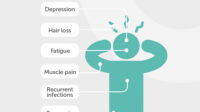
Deficiency can become a background condition that influences training outcomes without announcing itself dramatically. Fatigue, frequent aches, slower recovery, or reduced exercise tolerance may appear. The challenge is that these signs overlap with many other issues—sleep, nutrition, stress, or under-recovery. Vitamin D is sometimes missed because it rarely shows up as one single, unmistakable symptom.
Therefore, a practical approach involves aligning sun exposure and nutrition with realistic habits. When symptoms and training performance suggest low vitamin D, testing can bring clarity—turning uncertainty into targeted action.
Supplementation: Precision Beats Guesswork
Supplementing vitamin D can help correct low levels, but it works best when guided by thoughtful dosing and monitoring. Vitamin D is fat-soluble, which means it can accumulate. That’s why “more” isn’t automatically “better.” The goal is not maximum saturation; it’s functional adequacy.
For athletes training for explosive power and endurance balance, maintaining stable vitamin D status can support the adaptation loop. Supplementation may be particularly relevant during winter months, off-seasons with minimal outdoor time, or periods when training volume spikes.
If supplementation is used, consider pairing it with a broader recovery strategy: adequate protein intake, carbohydrate availability for energy needs, and sleep that actually consolidates training gains. Vitamin D can be a catalyst, but it can’t compensate for chronic under-fueling or chronic sleep debt.
A Training Lens: Designing Work That Respects Fiber Needs
To leverage vitamin D’s potential, it helps to design training that respects the distinct demands of fast- and slow-twitch fibers. High-intensity sessions should include enough recovery so the “kindling” can reignite. Endurance sessions should build durability so the “ember” can keep burning.
When vitamin D status is adequate, the body may handle that balance more gracefully: fewer interruptions from prolonged soreness, better readiness for power work, and more consistent stamina across longer efforts.
Think of vitamin D as tuning the instrument, not playing the notes. Your programming writes the music. Vitamin D helps the performance sound like it belongs to you.
The Unique Appeal: Vitamin D’s Hidden Influence on Two Modes of Strength
Fast-twitch fibers and slow-twitch fibers represent two modes of strength—one optimized for immediate power, the other optimized for sustained endurance. Vitamin D sits in the connective tissue between them, influencing processes tied to neuromuscular function, calcium signaling, recovery, and adaptation readiness.
Perhaps the most intriguing appeal is its subtlety. Vitamin D rarely feels like a dramatic “switch.” Instead, it can be the quiet element that makes training outcomes look smoother, recovery less contentious, and performance more consistent across seasons.
In the end, vitamin D is not merely a nutrient. It’s a stabilizing rhythm beneath your workouts—the kind of support that helps both the sprinter and the marathoner inside your body stay in tune.