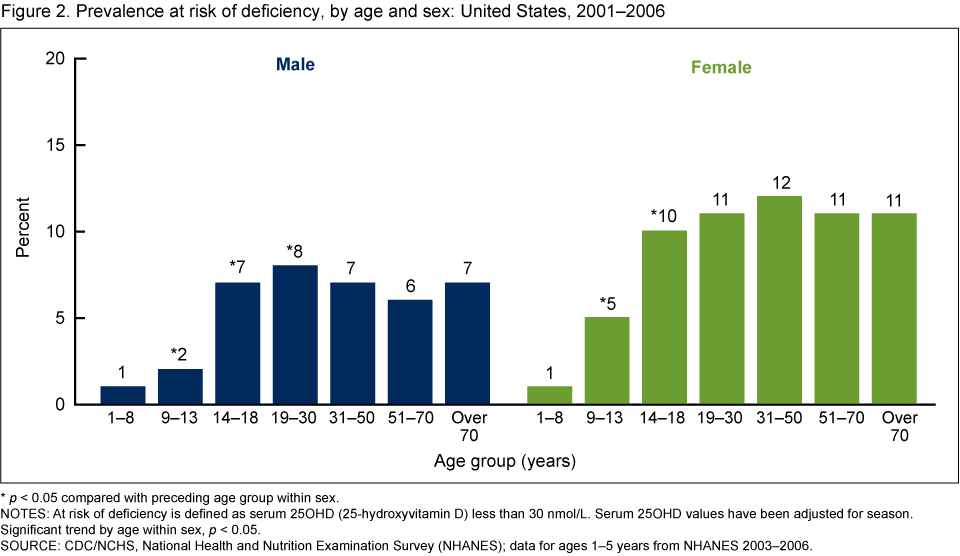
There’s a quiet irony in modern adolescence: teens are more informed than ever, yet vitamin D deficiency keeps reappearing like a recurring plot twist. In the United States, data that tracks health indicators points to a troubling reality—many teenagers aren’t getting enough vitamin D to support long-term bone strength, immune resilience, and metabolic balance. And once you start noticing the patterns, the story becomes hard to ignore. It’s not just about sunlight. It’s about behavior, environment, nutrition, and a generational shift in daily routines.
From “Sunshine Vitamin” to a Baffling Gap
The phrase “sunshine vitamin” sounds comforting, almost cinematic. A teen steps outside, catches some rays, and—problem solved. Reality is more complicated. Vitamin D synthesis in the skin depends on time of year, latitude, cloud cover, skin pigmentation, sunscreen use, and the amount of exposed skin. When any one of those factors nudges the needle downward, deficiency can become an easy consequence.
Now layer in modern life: longer school hours indoors, more screen time, sports that may not fully substitute for sunlight exposure, and urban settings where shade and built environments dominate. Short sentences matter here: the body cannot “catch up” instantly. And deficiency doesn’t always announce itself with dramatic symptoms. Many teens move through daily routines feeling normal while physiological needs quietly go unmet.
Why Teens Are Uniquely Vulnerable
Adolescence is a growth sprint. Bones lengthen, muscles remodel, and the body’s demand for minerals rises. Vitamin D plays a central role in calcium absorption and bone mineralization. When the supply line is underpowered, the result can be lower bone density trajectories—especially concerning during years when the “peak bone mass” is being assembled.
Teens also experience practical constraints that adults underestimate. Weekdays can be tightly scheduled. Weather can be unpredictable. Many households may not emphasize vitamin D-rich foods. Even when families try to be health-conscious, the daily math can fail: a teenager may eat “healthy,” yet never consistently reach the vitamin D threshold.
There’s also the psychological dimension. Teen culture prizes style, and style often includes sun-avoidant habits. Hats, hoodies, and protective clothing are sensible in terms of skin cancer risk, but they can reduce the skin’s opportunity to produce vitamin D. It’s a tradeoff with no obvious villain—just a system that unintentionally favors deficiency.
The Role of Diet: More “Enough” Than “Targeted”
Vitamin D is not abundant in most foods. It requires either fortified products or specific dietary sources. Some teenagers drink milk or consume dairy, but the amount varies widely. Fortified foods—like certain dairy alternatives, cereals, and juices—can help, yet they are not universally offered or consistently consumed.
And here’s the nuance: nutrition labels can be technically correct while still being practically insufficient. A teen might get some vitamin D, but not enough to correct baseline low levels. Deficiency can persist when the intake distribution is uneven—some days are close, and other days are effectively zero.
There’s a second story inside the first: dietary patterns can shift quickly. A summer routine differs from a school-year routine. A part-time job changes meal timing. A new preference changes what gets eaten. Vitamin D is vulnerable to these “micro-swings,” because it depends on regularity, not just occasional supplementation.

Sunscreen, Shade, and the Geometry of Exposure
Protecting skin from ultraviolet radiation is important. Sunscreen is often used more conscientiously now than in previous decades, and protective clothing is increasingly mainstream. The public health win is real. But sunlight-driven vitamin D production is also real—and it depends on skin exposure.
Consider the geometry. If exposure is brief and localized, vitamin D synthesis may remain low. If the teen is outdoors but the body is fully covered, the opportunity shrinks. If “outdoors” occurs during peak sun avoidance—like early morning or late afternoon—the conversion efficiency can drop.
This isn’t an argument for less protection. It’s a prompt for a smarter lens: vitamin D needs a multifactorial plan. Sunlight can be one component, but it often can’t be the only one, especially for teens whose schedules keep them indoors for long stretches.
Indoor Lifestyles and the Screen-Time Effect
Teens live in a world where indoor time dominates. Recreation, homework, social connection, and even part of physical activity can be mediated by screens. That isn’t inherently harmful. The concern is opportunity—time outside is not being used efficiently to support nutrient synthesis.
Short, direct observations help reveal the pattern. When hours accumulate indoors, skin exposure decreases. When skin exposure decreases, the vitamin D conversion pathway weakens. The body’s “vitamin D engine” runs on raw materials—sunlight photons that must reach the skin.
Over time, small shifts can create large downstream effects. A teen who spends fewer weeks outdoors than previous generations may enter adulthood with a different baseline. And baselines matter. They influence bone health, immune function, and recovery capacity years later.
Socioeconomic Differences: The Invisible Gradient
Vitamin D deficiency doesn’t distribute randomly. It often tracks patterns shaped by access: access to fortified foods, to outdoor recreation, to preventive healthcare, and to information. It can also reflect neighborhood design—how walkable routes are, how green space is maintained, and whether safe outdoor areas exist.
Teens in environments with fewer consistent resources may face compounding barriers. Even if knowledge is available, affordability can be the gatekeeper. Even if supplements exist, prioritizing them can be difficult amid other financial pressures.
This is where perspective must shift. Deficiency is not merely a personal choice. It’s a public health outcome influenced by systems—food supply, school norms, housing patterns, and healthcare access.
What “Deficiency” Looks Like in Real Life
Vitamin D deficiency isn’t always dramatic. It can be silent. Some teens may experience bone or muscle discomfort, fatigue, or reduced exercise tolerance, but these signs are often dismissed as “growing pains,” stress, or normal adolescence.
There’s also the matter of risk compounding. Low vitamin D can intersect with low calcium intake, insufficient physical activity, or limited exposure to weight-bearing exercise. The combined effect can shift bone health trajectory more than any single factor alone.
And then comes the curiosity that matters: if symptoms are vague, how does a teen—or a clinician—detect the problem early? That question points toward assessment strategies, dietary screening conversations, and targeted interventions that do not rely solely on visible cues.
Turning Points: Prevention, Education, and a More Nuanced Approach
The most promising shift is not a return to old assumptions. It’s a modern, calibrated strategy. Vitamin D intake can be supported through fortified foods, responsible supplementation when appropriate, and safe consideration of sunlight exposure. Education must be specific. “Get more sunlight” is too broad. Teens need actionable guidance: what counts, how often, and how to fit it into real schedules.
Schools and families can help by making vitamin D-rich options easier to obtain—fortified milk, fortified alternatives, and foods that naturally pair with calcium. Healthcare professionals can normalize conversations about vitamin D without making them fear-based. Communities can encourage outdoor time that supports physical activity, not just leisure.
Most importantly, the narrative should change. Instead of treating vitamin D deficiency as an occasional inconvenience, it should be framed as a modifiable risk factor—one that can be addressed with thoughtful consistency.
The Future: Rethinking Adolescent Health Through a Vitamin D Lens
Imagine a culture where vitamin D is treated like sleep hygiene or nutrition literacy: a routine part of wellness planning. The data trend that raises concern is also a doorway. It invites a reexamination of daily habits and environmental pressures that shape nutrient status.
Teens don’t need lectures. They need clarity, relevance, and options. Parents need practical steps that fit budgets and schedules. Educators need policies that support healthful choices. Clinicians need tools that translate screening into action.
When all these pieces align, vitamin D deficiency becomes less of a lingering mystery and more of a solvable equation—one where sunlight, food, and lifestyle contribute in balanced proportion, and where adolescence gets the strong foundation it deserves.