What if your immune system had a favorite fuel—and you were either over-supplying it or quietly starving it? Vitamin D is often treated like a background supplement, yet it behaves more like a molecular switchboard: it helps orchestrate immune signaling, calms inflammatory noise, and supports the body’s readiness to respond. The twist? The “optimal” blood level isn’t a fixed trophy. It depends on how you define health, how your body processes vitamin D, and how consistently you can maintain a beneficial range.
Here’s a playful challenge: imagine your immune system as a vigilant guard dog. Now imagine the guard dog’s training treats are only available when the blood level is just right. Too low, and the dog may be sluggish. Too high, and the training can become chaotic. So what is the optimal blood level of vitamin D for immune protection—and how do you approach it without guesswork?
Vitamin D as an immune conductor (not just a vitamin)
Vitamin D is frequently described as a vitamin, but in practice it acts more like a hormone-like regulator. After you absorb it (from sun exposure, food, or supplements), your body converts it into an active form that can influence gene expression. That means vitamin D doesn’t merely “support” immunity in a vague way—it contributes to immune system governance.
In immune tissues and circulating cells, vitamin D is associated with balancing innate defenses and modulating inflammatory cascades. It supports barrier integrity and encourages appropriate pathogen recognition. This matters because immunity is not only about attacking germs; it’s also about preventing an overzealous inflammatory response that can harm your own tissues.
Which blood marker matters: 25(OH)D
When clinicians talk about vitamin D status, the conversation usually centers on 25-hydroxyvitamin D—often written as 25(OH)D. This marker is the most common indicator of your overall vitamin D stores. It reflects what’s been synthesized or consumed recently and gives a better snapshot of your baseline than short-lived vitamin D fluctuations.
If your goal is immune protection, monitoring 25(OH)D provides a practical compass. Without it, supplementation becomes a roulette wheel. Some people underdose and never reach a reliable immune-supportive range. Others overshoot, and even if the risk profile varies, it’s still a needless detour from purposeful health.
The “optimal” range: finding the immune-friendly territory
Many discussions place emphasis on achieving sufficiency, but “optimal” implies something more nuanced: a level associated with robust immune function while remaining sensible for long-term safety. Commonly, optimal targets are often expressed as a broad interval—frequently somewhere around the higher end of sufficiency rather than the minimum threshold.
A typical practical framing looks like aiming for levels roughly in the 30–50 ng/mL (75–125 nmol/L) neighborhood, with some variation by individual factors. Think of this not as a sacred number, but as a defensible zone where immune-related cellular processes may function more smoothly.
Still, the body is not a spreadsheet. Older adults, people with limited sun exposure, those with darker skin tones, and individuals with absorption issues may need a more deliberate strategy. The immune system doesn’t care about neat ranges—it responds to physiological reality.
Signs of deficiency vs. the silent gap
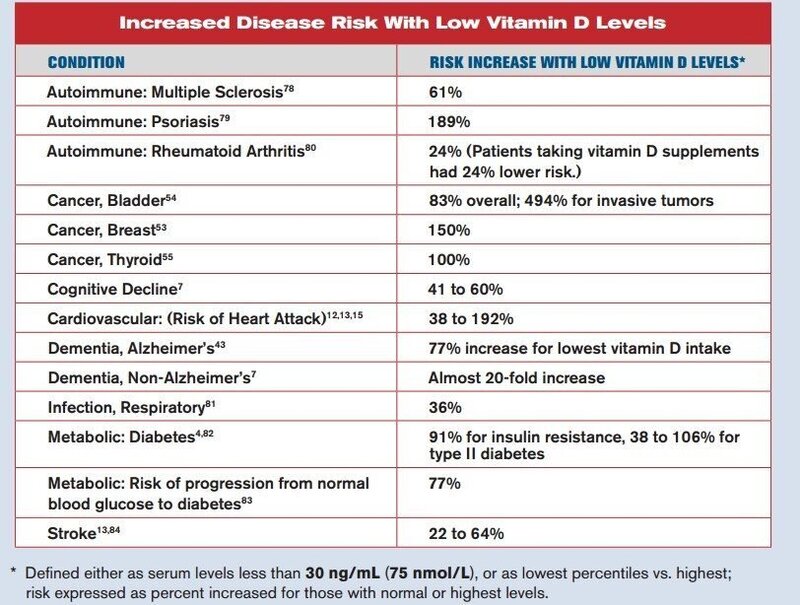
Vitamin D deficiency can announce itself with symptoms, but it can also lurk quietly. You may notice fatigue, frequent infections, low mood, or vague aches. Yet these clues are non-specific, and many people feel “fine” while their immune buffering system is undertrained.
This is the silent gap: the situation where immunity may be operating with less margin, making it harder to respond efficiently when pathogens arrive. That’s why testing is so valuable. If you’ve been relying on intuition, a blood test can reveal whether your immune “guard dog” is waiting for training treats.
How sunlight, diet, and supplements interact
Sunlight is the headline source, but it’s not always available. Season, latitude, clothing, sunscreen use, cloud cover, and time spent outdoors all influence vitamin D synthesis. Diet contributes smaller amounts, though fatty fish, fortified foods, and certain nutrients can help.
Supplements bridge the gap when sunlight and diet aren’t sufficient. However, supplementation isn’t just about taking any dose. Consistency, dose calibration, and follow-up testing matter. The objective is to build and maintain stable blood levels, not to chase dramatic spikes that fade quickly.
Some people also prefer a “steady drizzle” approach rather than high intermittent dosing, especially when the goal is long-term immune readiness. Your optimal strategy should match your physiology and lifestyle.

Why immune protection depends on more than one nutrient
Vitamin D is influential, but immune protection is a team sport. Zinc, vitamin C, iron, omega-3 fatty acids, sleep quality, protein intake, and overall metabolic health all participate in the immune choreography. Vitamin D supports immune tuning; it doesn’t replace the immune orchestra.
Still, vitamin D’s role is distinctive because it connects directly to immune regulation pathways. When vitamin D stores are adequate, the immune response may be better calibrated—strong enough to confront pathogens, but not so loud that it becomes internally damaging.
If you’re focusing on vitamin D, it helps to consider your broader immune landscape. In practical terms: hydration, consistent sleep, stress management, and adequate micronutrients all provide context for vitamin D to do its job.
Suppose you’re too low—what then?
If your 25(OH)D test indicates low levels, the next step is usually a structured plan. Many people benefit from supplementing to replenish stores. The most responsible approach includes periodic retesting to see whether your blood levels are responding as expected.
Why retesting? Because absorption varies. Body weight, gastrointestinal conditions, medication interactions, and adherence can all alter how quickly and how effectively vitamin D rises. An immune goal without measurement is like training for a marathon without checking your pace.
In some cases, clinicians may choose different starting strategies depending on how low the level is. The core principle remains the same: aim for a stable, immune-friendly range and maintain it rather than repeatedly starting over.
Suppose you’re already “high”—how to stay in control
It’s easy to assume that “more is better,” but immune protection prefers balance. If a blood test shows a higher-than-desirable level, the focus should shift toward maintenance with possibly lower dosing. This reduces the risk of persistent overexposure.
While vitamin D toxicity is uncommon, extreme levels can lead to problems—often related to calcium metabolism. Even if you’re feeling energetic, your body may be silently adjusting. That’s why careful dosing and monitoring are not overly cautious—they’re simply intelligent stewardship.
Think of it as tuning a radio: you want clear signal strength, not static from broadcasting too loudly.
Practical steps for testing and maintenance
For immune-focused vitamin D optimization, a pragmatic routine helps. Start with a baseline 25(OH)D test. Then choose a supplementation strategy aligned with your needs, whether you’re aiming to climb into an optimal range or maintain it.
After several weeks to a few months (depending on the dose approach and clinician guidance), retest to confirm the trajectory. From there, adjust. Maintenance is usually easier than emergency correction.
Also, consider timing. Vitamin D is fat-soluble, so taking it with meals that include dietary fat may improve absorption. This is a small detail with outsized consequences—like choosing the right tool for the right job.
Dietary habits and lifestyle “multipliers”
Supplements can fill gaps, but you can amplify results with everyday habits. Include vitamin D–supportive foods when possible, and get regular outdoor time when safe and appropriate. Pair this with sleep consistency and physical activity, which influence inflammatory balance and immune performance.
If you’re supplementing, treat it like a ritual, not a gamble. Use professional-grade dosing guidance when available. Keep a note of your last test and dosing changes. Your future self will thank you.
A final thought: immune protection loves balance
The optimal blood level of vitamin D for immune protection is less about chasing a single magic number and more about achieving a stable, immune-friendly territory. When 25(OH)D sits in a beneficial range, immune signaling and inflammatory moderation may operate with better precision.
So, here’s the real challenge: don’t guess. Test, adjust, and maintain. Let your immune system enjoy the training treats consistently—neither scarce nor excessive, but thoughtfully calibrated.