
Have you ever noticed how some health advice feels like it’s whispering, “Take this,” while a different whisper says, “Take that”—and somehow you end up with a supplement cabinet that looks like a tiny pharmacy? Now let’s zoom in on a particularly intriguing duet: magnesium and vitamin D. They don’t merely “pair well.” They actually depend on each other, like a well-rehearsed improvisation where one performer can’t fully shine without the other.
What’s the magnesium–vitamin D connection, anyway?
Picture vitamin D as a key. It can’t unlock the entire room unless the lock is ready. Magnesium helps prepare that lock—supporting processes that allow vitamin D to become biologically usable. Without sufficient magnesium, vitamin D can arrive in the body like an unclaimed delivery: present, but not fully put to work.
Vitamin D is famous for helping with calcium absorption and bone metabolism. But it also has roles in immune signaling, cellular growth regulation, and inflammation modulation. Magnesium, meanwhile, supports hundreds of enzymatic reactions. When magnesium is low, those reactions can stumble—sometimes including the steps that vitamin D relies on to perform effectively.
In short: vitamin D and magnesium aren’t competing; they’re collaborating. When one is underfunded, the other can’t do its job to the fullest.
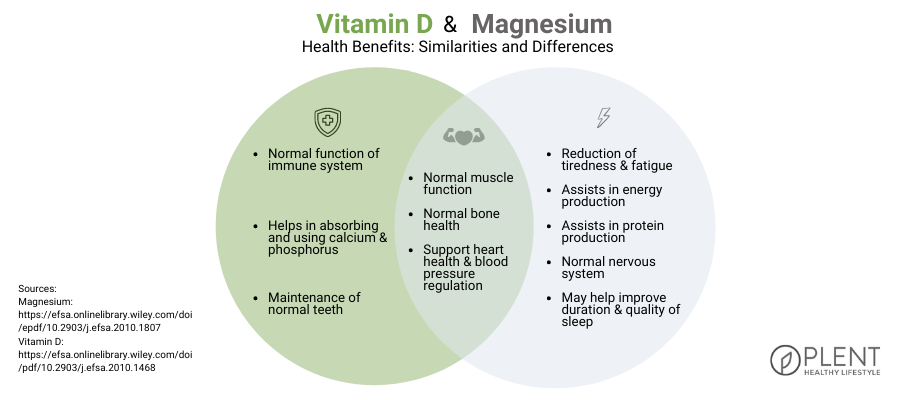
Here’s a playful question—and a potential challenge
Playful question: what happens if you take vitamin D… but your magnesium is doing the health version of “powering down”?
Potential challenge: you might feel like you’re taking action, yet your labs don’t budge the way you expect, or you keep seeing the same symptoms—fatigue, muscle tightness, low mood, or that vague “something’s off” sensation. It’s possible that vitamin D supplementation is only part of the story, because magnesium is the backstage technician. It’s not always visible, but it’s essential.
Many people unknowingly chase vitamin D levels without considering magnesium status. That can lead to a mismatch: vitamin D may rise in a report, but magnesium-dependent processes still aren’t operating at peak efficiency.
Magnesium helps vitamin D activate: the conversion cascade
Vitamin D isn’t a one-step molecule. It travels through a conversion process involving enzymatic activity—meaning magnesium can influence how smoothly the transformation occurs. Think of activation as a multi-stage assembly line. If magnesium is scarce, the machinery can run sluggishly.
That matters because vitamin D’s benefits depend on its active forms. When magnesium is inadequate, vitamin D may not be fully utilized, even if you’re taking it consistently.
There’s also an important “feedback” element: low magnesium can affect how vitamin D is stored and circulated, potentially creating a cycle where supplementation alone doesn’t correct the underlying bottleneck.
Muscle function: why both matter more than you think
Magnesium is deeply tied to neuromuscular function—helping regulate muscle contraction and relaxation. Vitamin D also contributes to normal muscle performance and may influence muscle strength through calcium regulation.
So when magnesium is low, muscles may feel irritable or fatigued. When vitamin D is low, muscle function can also suffer. Put them together and the practical takeaway becomes clearer: correcting vitamin D without addressing magnesium might leave muscles still “complaining.”
In everyday terms, people sometimes notice improvements in muscle comfort only after pairing strategies—dietary magnesium, appropriate vitamin D dosing, and consistent hydration and mineral intake.
Bone health isn’t only calcium—it’s coordination
Vitamin D is well known for supporting calcium absorption in the gut. But the absorption and utilization of calcium doesn’t occur in a vacuum. Magnesium helps maintain balance in mineral homeostasis. It supports processes involved in bone structure and helps modulate how calcium behaves at the cellular level.
If vitamin D enables calcium to enter and magnesium helps coordinate calcium’s downstream roles, then together they form a more harmonious bone-building environment. This isn’t about chasing a single nutrient; it’s about ensuring the mineral orchestra can actually perform.
One of the most common confusion points: people focus on calcium alone. Yet bone health is a multi-factor story involving vitamin D activation, magnesium balance, and overall dietary patterns.
Immune signaling and inflammation: the “quiet regulation” layer
Vitamin D is often discussed in the context of immune function. Magnesium also contributes to immune regulation and can influence inflammatory pathways. When both nutrients are sufficient, the body may be better equipped to manage inflammatory responses with finesse rather than flare-ups.
This doesn’t mean supplements replace sleep, stress management, or nutrition. It means magnesium-vitamin D sufficiency can support a baseline level of immune stability—an underlying “quiet regulation” that makes the rest of your habits more effective.
If your day-to-day includes frequent stress, uneven sleep, or low sunlight exposure, the magnesium–vitamin D pairing becomes even more relevant.
Signs your body might be asking for magnesium, not just vitamin D
Low magnesium can show up subtly before it becomes dramatic. You might notice muscle cramps, twitching, or a tendency toward tension. Some people experience fatigue that doesn’t match their sleep quality. Others report a sense of nervous system overstimulation—restlessness, irritability, or a “wired but tired” feeling.
Of course, symptoms are never perfectly specific. Still, these patterns can align with magnesium insufficiency, especially when combined with limited dietary magnesium intake.
That’s why many thoughtful health plans don’t stop at vitamin D. They evaluate magnesium intake through diet, consider supplementation when appropriate, and monitor labs where necessary.
Choosing forms and dosing: a practical, human approach
Not all magnesium supplements behave identically. Some forms are better tolerated by certain people. Calcium-matching logic also matters: magnesium can interact with other minerals, so spacing and total mineral load can be relevant.
For vitamin D, consistency and timing are often key. Some individuals prefer taking vitamin D with meals containing fat, since it can be absorbed more effectively. Magnesium may be taken at different times depending on tolerance; some people find it helps with evening relaxation, while others prefer daytime schedules.
There’s no universal “perfect dose” for everyone. The most responsible approach is to consider current lab values, dietary intake, health status, and guidance from a qualified clinician—especially if there are kidney-related considerations.

Food first: the alliance starts at the plate
Supplements can be useful, but the foundation is dietary magnesium. Leafy greens, legumes, nuts, seeds, and whole grains often contribute meaningful amounts. If your eating pattern is heavily refined—think low fiber, low plant diversity—magnesium intake may quietly fall short.
Vitamin D through food is also limited for many people. Fatty fish, fortified dairy or plant milks, and egg yolks can help. Yet for most individuals, sunlight exposure or supplementation plays a larger role.
The most resilient strategy treats magnesium as the constant ally and vitamin D as a targeted variable—adjusted based on lifestyle, sun exposure, and lab trends.
A smart next step: how to turn this connection into results
If you’re currently supplementing vitamin D, consider the question: Is magnesium addressed too? If you’re not supplementing vitamin D, consider whether sunlight and dietary patterns are likely supporting healthy status. If either nutrient seems off, a coordinated plan can be more effective than a solo approach.
Think of your body as a system with dependencies. When you supply one ingredient without ensuring the partner ingredient is present, the system can’t fully convert effort into outcomes.
So the takeaway lands gently but firmly: magnesium and vitamin D are best understood as a tandem. When the duet performs together, bone support, muscle comfort, immune regulation, and mineral balance are more likely to move in the right direction.