Imagine a child’s sleep as a small boat navigating a dark harbor. The waves don’t announce themselves, yet they nudge the vessel off course—some nights to restless shifting, others to sudden awakenings or lingering difficulty falling asleep. Now imagine an unseen lighthouse, steady and biochemical, offering calibration rather than comfort. That lighthouse may be vitamin D, a nutrient with influence that reaches farther than bones, whispering into the mechanisms that help the body settle into nightly rhythm. The link between vitamin D and sleep problems in children is not a simple bedtime fairy tale. It is a nuanced story—one told through biology, environment, and the subtle art of regulation.
Vitamin D: More Than a Calcium Courier
Vitamin D is often introduced as a bone specialist, a reliable courier delivering calcium to where it must be stored and used. Yet in the body, its role behaves like a systems conductor. Receptors for vitamin D are present in many tissues, suggesting it participates in orchestration rather than merely transportation. This matters for sleep because sleep is also orchestration—coordination among hormones, the nervous system, and circadian timing.
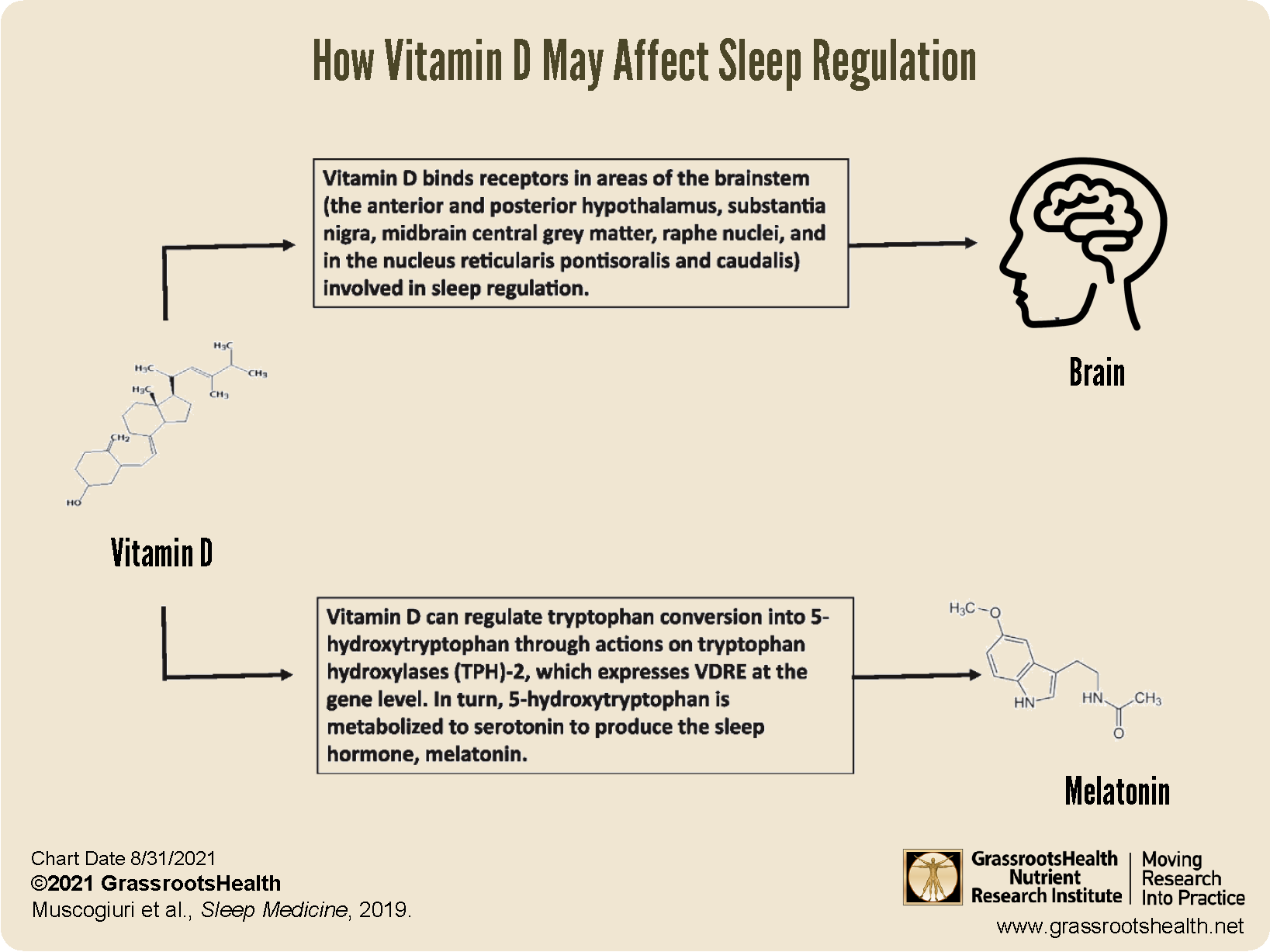
When vitamin D levels are low, the orchestral cues can become slightly mismatched. The result may resemble a faint off-tempo in the sleep symphony: earlier restlessness, fragmented nighttime arcs, or trouble transitioning into deeper stages. It’s not that vitamin D “causes” sleep problems like a single domino. It may instead act as a background regulator, smoothing transitions so that the body can fall asleep and remain asleep with fewer interruptions.
The Circadian Compass and the Sleep Clock’s Fine Print
Sleep is governed by circadian rhythm—an internal compass that tells the body when to feel alert and when to feel drowsy. Vitamin D may influence this compass through pathways that intersect with the brain’s timekeeping circuitry. Think of circadian rhythms as a city’s traffic lights. Even if only one light changes its timing by a small margin, intersections begin to clog. The body might still move through sleep, but less fluidly.
Children are especially sensitive to timing shifts. A late evening screen, an irregular bedtime, or seasonal changes can stress the system. If vitamin D status is also compromised, the “margin of error” narrows. That can turn what should be a minor bump into a recurring sleep obstacle—delayed sleep onset, earlier morning waking, or an overall sense of nocturnal unease.
Melatonin: The Night’s Messenger
Many people know melatonin as the hormone that signals darkness. But melatonin is also a metaphor: it is the body’s messenger that says, “The world has quieted; the curtain can fall.” Vitamin D’s potential relationship with melatonin is often discussed because both are involved in the body’s sleep-wake transition.
When vitamin D levels are healthier, the sleep-wake “messaging” may be more coherent. When vitamin D is low, the signaling might be less synchronized, as if the messenger delivers notes with inconsistent timing. This could contribute to difficulties in settling down, especially in children whose nervous systems are still learning how to transition from daytime activity to nighttime stillness.
How Low Vitamin D May Echo as Restlessness
Sleep problems are not always dramatic. Sometimes the trouble looks like constant motion—tossing, turning, or brief awakenings that fragment the night into smaller pieces. Other times, it looks like a stubborn refusal to fall asleep, as if the mind insists on staying “online.” Low vitamin D may be one contributor among several, nudging inflammatory pathways and influencing neurochemical regulation.
In the background, inflammation and immune signaling can affect comfort and arousal. Sleep is not merely darkness and stillness; it is physiological repair. If the body is running with heightened “static,” it may stay more watchful. Picture a radio that is slightly tuned off. The signal isn’t absent, but it’s noisy enough to keep you from fully resting. Vitamin D, in this metaphor, may help reduce that static so the nervous system can quiet.
The Body’s Subtle Signals: Breathing, Muscles, and Sleep Quality
Sleep quality is broader than the ability to fall asleep. It includes how restorative sleep feels. Some children experience sleep-disordered breathing tendencies or muscle-related discomfort that can worsen nighttime rest. Vitamin D interacts with muscle function and overall physiology, potentially influencing how smoothly the body maintains nighttime stability.
While not every child with sleep issues has a vitamin D deficiency, patterns have been observed in research exploring children with sleep problems before and after vitamin D therapy. In some cases, improvement appears not as a miracle overnight, but as a gradual recalibration—fewer disruptions, more consistent sleep duration, and a gentler landing into morning.
Seasonal Sunlight: The Environmental Plot Twist
Vitamin D is shaped by sun exposure. For children, this is a seasonal storyline. Winter days can shorten outdoor time. Indoor routines can stretch. Clothing patterns and geographic latitude can all modify how much vitamin D the skin can produce. It’s easy to treat this as a background factor, like weather on a forecast. Yet sleep is a daily negotiation, and vitamin D status can quietly tilt that negotiation.
If sunlight is limited, the body’s vitamin D “reservoir” may become thin. Then, sleep—already sensitive to schedules—can become more fragile. The metaphor here is drought. When hydration is adequate, the landscape remains flexible. When hydration thins, the ground cracks. The sleep system may not crack, but it may stiffen, becoming less adaptable to changes in routine.
Visual Clues: Sleep Diagrams and Before-After Change
Sometimes, seeing how sleep disruption looks makes the conversation more tangible. Diagrams and images can capture the rhythm of change, turning abstract biology into a story you can almost feel.

Consider how many parents describe sleep as a shifting landscape: one week slightly better, the next week harder. Those ups and downs can mirror the body’s recalibration process. In research visuals comparing sleep patterns before and after vitamin D therapy, improvements sometimes appear as a smoother sleep profile—fewer peaks of disturbance and a more stable baseline.
Another visual cue often appears in comparisons of children’s sleep issues before and after vitamin D interventions. These before-after graphics can feel like a map of recovery—less scatter, more coherence, and a calmer trajectory through the night.

The appeal of these visuals is their emotional honesty: they do not promise perfection. They suggest movement toward steadier rest.
Testing, Safety, and the Right Next Step
Vitamin D is not a one-size solution, and supplements are not toys. The right course begins with assessing vitamin D status. Health professionals may recommend blood tests to determine whether deficiency exists and to guide dosing responsibly. Over-supplementation can carry risks, so “more” is not automatically “better.”
If a child has sleep problems—especially persistent ones—it’s wise to look at the full constellation: bedtime routine, screen exposure, sleep environment, stressors, and possible medical contributors. Vitamin D may be one lever among many. When aligned with good sleep hygiene, it can potentially support a more stable sleep ecosystem rather than acting as a stand-alone fix.
Sleep Hygiene Still Matters: Vitamin D as an Accompanist
Vitamin D should be treated like a supportive instrument in an ensemble, not the entire orchestra. Consistent bedtime, dim evening lights, comfortable bedding, and calming wind-down rituals remain foundational. Children thrive on predictability. The body likes scripts; it sleeps better when the cues are repeated.
Yet vitamin D may help the script land more smoothly—supporting the biochemical background that helps the brain and body interpret nighttime cues. When both elements work together—behavioral cues and nutrient sufficiency—the result can be a calmer rhythm and fewer late-night struggles.
A Balanced Conclusion: A Lighthouse, Not a Spell
The link between vitamin D and sleep problems in children suggests something quietly hopeful: restoring nutrient balance may help the body’s nightly systems run with greater harmony. Still, sleep is complex, and vitamin D is only one factor in a larger constellation. Think of it as a lighthouse that improves navigation. It doesn’t create the ocean, but it can help a child’s sleep boat stay on course amid waves of stress, seasonality, and growing biology.
For parents, the most intriguing part of this story may be its practicality. Addressing vitamin D status—safely and thoughtfully—alongside consistent sleep habits could offer a meaningful pathway toward steadier nights. The goal is not a single miracle moment. It’s a gradual return to coherence: fewer disruptions, deeper rest, and mornings that arrive with less struggle.