For years, “growing pains” has sounded like a tidy explanation for a messy reality: aching legs at night, children wincing in sleep, worried parents scanning the room for anything that might be wrong. Yet the narrative has always felt incomplete—like a story with the middle missing. What if part of that middle is written in an overlooked nutrient? Vitamin D, often associated with bones and sunshine, may also hold a quiet thread connecting light exposure, vitamin metabolism, and the nighttime discomfort parents describe as growing pains.
Reframing “Growing Pains” as a Signal, Not a Label
“Growing pains” is commonly used when a child experiences intermittent musculoskeletal aches—usually in the legs—without clear injury or disease. The word “growing” can lull families into assuming the discomfort is inevitable, even harmless. But labels can anesthetize curiosity. When you shift perspective, the question changes from “Is it normal?” to “What might be shaping this pattern?”
Growing pains often flare in the evening or at night. Sometimes they migrate—calf to thigh, one side to the other. That rhythm can be maddening. And it can also be informative. Nighttime timing invites consideration of circadian biology, muscle recovery cycles, and the way certain micronutrients behave in the body over time. Vitamin D sits in this larger ecosystem of regulation rather than existing as a simple “bone vitamin.”
Vitamin D: More Than Bone Paint
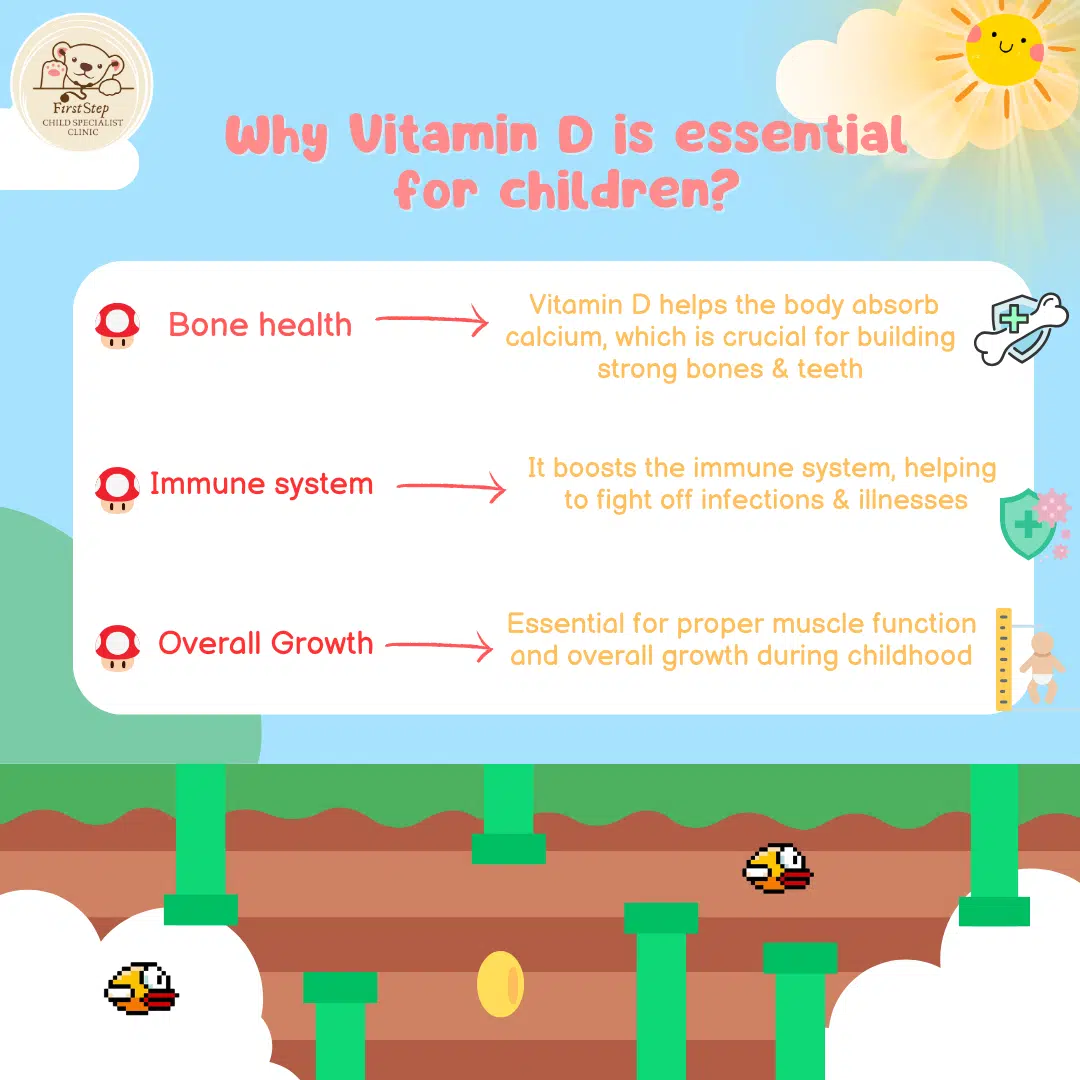
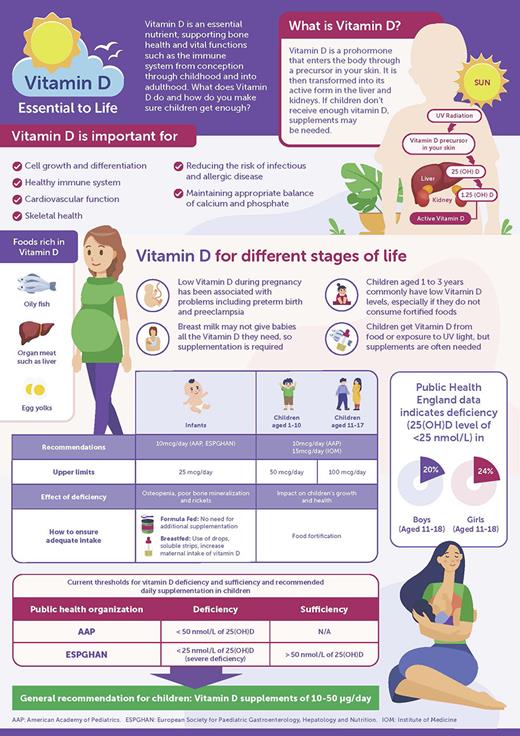
Vitamin D is frequently introduced as the nutrient that helps build strong bones. That’s true, but it’s also partial. Its active forms influence calcium absorption, immune signaling, neuromuscular function, and inflammatory pathways. In other words, vitamin D is not only a structural ingredient; it is a biochemical moderator.
Children are in an accelerated growth phase—rapid changes in bone remodeling, muscle adaptation, and connective tissue maturation. When the body is busy restructuring, it benefits from adequate “co-factors.” Think of vitamin D as a backstage engineer. Without enough of it, the stage performance continues, but the timing, the coordination, and the fine-tuning can slip.
Why Deficiency Can Feel Like Pain
When vitamin D levels run low, the body may struggle to maintain calcium and phosphate homeostasis—critical materials for mineralization. Bones can become less resilient, but the effects are not confined to the skeleton. Vitamin D also interacts with muscle function. Muscles and tendons don’t operate like separate systems; they negotiate tension constantly.
Low vitamin D can contribute to a “sensitized” musculoskeletal experience—aches that feel deeper than simple soreness. It may also amplify discomfort by affecting inflammatory tone and nerve signaling. The result is a spectrum: from vague aches after activity to persistent or recurring pain that families interpret as typical growing pains.
The Pattern Parents Recognize: Nighttime Discomfort and Body Rhythms
There’s a reason nighttime growing pains are so familiar. The body’s repair processes often ramp up during sleep, and symptoms may become more noticeable when distractions fade. If vitamin D status is suboptimal, the recovery cycle may be less efficient. Muscles can tighten, fascia can feel stiffer, and micro-inflammation may linger.
Short and long sensations can coexist. A child may describe a dull ache, then suddenly point to a specific spot in the thigh or calf. The waxing and waning quality can be perplexing—yet it resembles the way biochemical imbalances often fluctuate rather than present as a continuous, dramatic problem.
How Sunlight, Diet, and Lifestyle Shape Vitamin D Availability
Vitamin D is famously influenced by sunlight. But sunlight is not a guaranteed commodity. Weather, season, latitude, clothing coverage, outdoor time, and skin pigmentation all modify how much vitamin D a child produces. Add modern lifestyle patterns—more indoor play, more screen time, fewer safe outdoor windows—and deficiency risk can quietly rise.
Diet can partially compensate, but it varies dramatically. Some children eat foods naturally rich in vitamin D, while others rely on fortification that may not be consistent. Even when diet is decent, absorption and metabolism can be limiting factors.
Perspective shift: growing pains may not be purely “about growth.” They may be about growth happening in a body with inadequate biochemical scaffolding.
Spotting the Signs: When “Typical” Might Be Something Else
Not all leg aches are growing pains. Vitamin D deficiency can sometimes manifest with broader clues—such as lower bone density, delayed growth, muscle weakness, fatigue, or tenderness. Some children show more generalized symptoms, while others appear otherwise well and simply report pain in the legs.
Parents can look for patterns: pain that is frequent, severe, progressive, or associated with morning stiffness. If the discomfort limits activity, causes swelling, or appears in joints rather than muscles, further evaluation becomes essential. Growing pains should be episodic and self-limited; anything outside that rhythm deserves attention.
Could Vitamin D Supplementation Change the Story?
The most interesting question is also the most human one: what if improving vitamin D status reduces the frequency or intensity of those nighttime aches? In many cases, correction of deficiency supports improved musculoskeletal comfort—particularly when symptoms align with low vitamin D risk.
However, supplementation is not a casual decision. Vitamin D dosing depends on a child’s age, baseline levels, and overall health. The body can be harmed by too much as well as too little. A careful approach—often guided by a clinician and, when appropriate, lab testing—turns supplementation from hope into strategy.
Think of it as calibration: rather than guessing, you measure, adjust, and reassess.
Testing and Timing: The Quiet Mechanics of Diagnosis
If you suspect vitamin D insufficiency, it helps to understand the logic behind testing. Clinicians may evaluate serum 25-hydroxyvitamin D, interpret it in context, and consider confounders such as limited sun exposure, dietary insufficiency, malabsorption conditions, or darker skin tones in low-sun environments.
Timing matters too. Vitamin D changes are not instant. Musculoskeletal symptoms can shift gradually as mineralization and neuromuscular support improve. The aim is not only numerical improvement, but functional relief—less ache at bedtime, smoother movement the next day.
Supporting Comfort While the Body Recalibrates
While vitamin D status is being optimized, comfort strategies can help families navigate the evenings. Gentle stretching, adequate hydration, and age-appropriate activity can reduce muscle tightness. Some children respond to warm compresses or relaxing routines that interrupt the “pain loop.”
It’s also worth remembering that pain is experiential. Stress, fatigue, and reduced activity can all heighten attention to bodily sensations. A calmer bedtime routine may not treat deficiency—but it can make symptoms more manageable while the underlying factors improve.
When to Seek Medical Attention (Without Panic)
Because “growing pains” is a familiar phrase, it can delay appropriate care when symptoms behave unusually. Seek evaluation promptly if pain is persistent and focal, if a child develops limping, swelling, redness, fever, or unexplained weight loss. Immediate attention is important when pain awakens a child repeatedly, worsens quickly, or is accompanied by significant weakness.
This isn’t alarmist. It’s a protective mindset. The goal is to rule out other causes and, if vitamin D deficiency is present, to address it precisely.
A New Narrative for Families: From Guesswork to Insight
Growing pains can still be “benign” in many children. Yet a shift in perspective makes the term less dismissive and more diagnostic. Instead of asking whether pain is normal, families can ask what might be influencing the body’s comfort signals: sunlight, nutrition, muscle function, and micronutrient adequacy—especially vitamin D.
Curiosity is powerful. It turns bedtime discomfort from a vague inevitability into a solvable puzzle. If vitamin D is part of that puzzle, the payoff is more than a lab value. It can be quieter nights, stronger movements, and a restored sense of safety in the rhythm of childhood.