Imagine your bones as a quiet architectural framework—upright, resilient, and constantly “repaired” behind the scenes. Now imagine your immune system as a vigilant border patrol, scanning for intruders. And then consider mood: not as a simple emotion, but as a finely tuned signal network. Vitamin D sits at the crossroads of all three. The question isn’t whether vitamin D matters. The real question is: what is an ideal level—and what changes when it drifts out of alignment?
Vitamin D: The Unlikely Conductor of Three Systems
Vitamin D is often introduced as a bone nutrient, yet its role is far more orchestral. After all, the active form of vitamin D—calcitriol—acts like a regulatory “key” that instructs cells on how to manage calcium, modulate immune responses, and influence neurological pathways. This is why a deficit can feel diffuse: you may not notice it as a single symptom, but as a gradual wobble in strength, resilience, and emotional steadiness.
Here’s the shift in perspective: think of vitamin D less as a supplement you add, and more as a signal your body expects to receive. When the signal is weak, the body improvises. Improvisation can work short-term, but it often exacts a price—subtle inflammation, less efficient calcium handling, and a mood that doesn’t quite settle.

The Ideal Vitamin D Level: Reading the Numbers Like a Map
Vitamin D status is commonly measured using 25-hydroxyvitamin D (25(OH)D). The “ideal” range is not a single magic number for every person, but there are practical targets that many clinicians consider optimal for bone health and broader physiological support.
As a general guide, many experts aim for an approximate range of 30 to 50 ng/mL (or 75 to 125 nmol/L) for robust musculoskeletal outcomes. Levels below this band often correlate with reduced calcium absorption and a higher likelihood of inadequate mineralization. Levels too high, though less common, raise the specter of toxicity—because vitamin D is fat-soluble and can accumulate.
Consider it like tuning an instrument. Too low and the sound is muted. Too high and the system can distort. The goal is balance that supports skeleton integrity and systemic steadiness.
Bone Health: Why the Right Level Strengthens the Framework
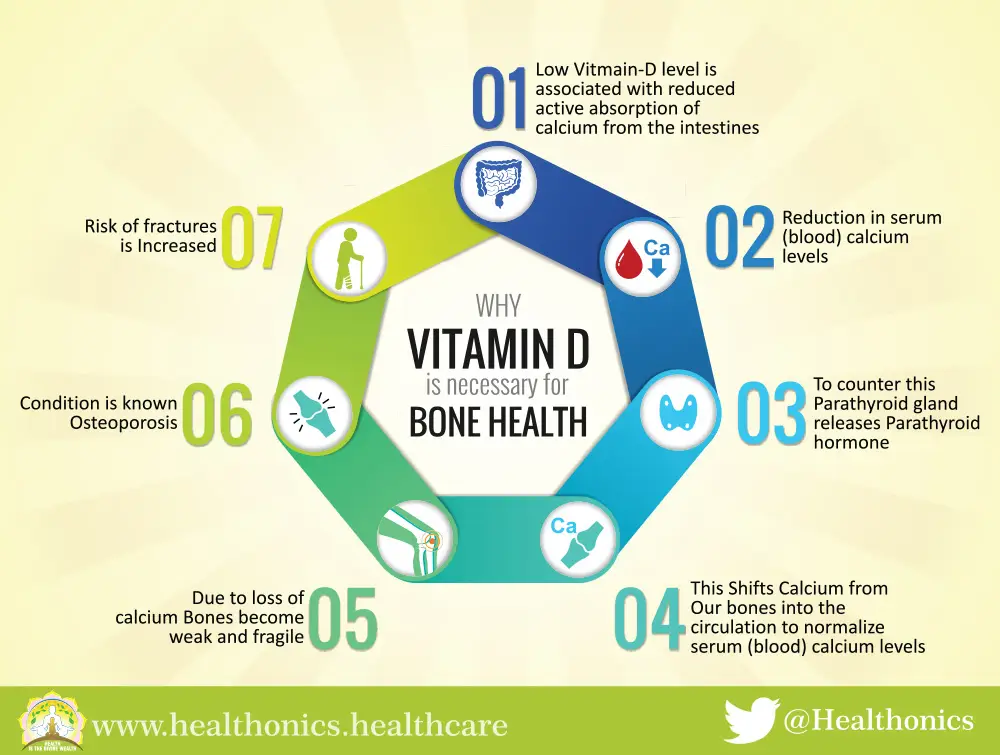
Your bones are dynamic, not static. They are built by osteoblasts and remodeled by osteoclasts, and vitamin D is one of the key conductors that helps coordinate mineralization. When vitamin D is adequate, your intestines absorb calcium more efficiently. That means more calcium available for bone formation and maintenance.
If vitamin D is insufficient, calcium absorption drops. Over time, the body may compensate by pulling calcium from other stores to keep blood calcium in a safe range. Compensation works like scaffolding during construction—but it is not a blueprint. Persistent low vitamin D can contribute to weaker bones, increased fracture risk, and conditions such as osteopenia or osteomalacia.
Another nuance: vitamin D also interacts with bone-building signaling pathways. It is not simply “calcium’s sidekick.” It’s closer to a foreman for bone metabolism.
Immunity: The Gatekeeping Role of Vitamin D
Immunity isn’t just about fighting. It’s about calibrating—knowing when to activate and when to pause. Vitamin D helps orchestrate this balance by influencing immune cells, including T cells and macrophages. It can encourage appropriate innate responses while also tempering excessive inflammatory cascades.
Here’s the curiosity hook: people often assume infection risk is purely behavioral or genetic. But physiologically, vitamin D may act like a throttle. In deficiency states, immune signaling can become less coordinated, potentially leading to a higher susceptibility to respiratory infections or a tendency toward prolonged inflammation.
It’s important to be thoughtful: vitamin D is not a shield that guarantees immunity. Instead, it supports an environment where immune responses are more properly tuned—less chaotic, more responsive.
Mood and the Brain: Vitamin D as a Signal for Emotional Weather
Mood regulation involves neurotransmitters, inflammation, and neurochemical signaling. Vitamin D receptors are present in various brain regions, suggesting vitamin D participates in neural function. When levels are low, the “signal-to-noise” ratio may worsen—potentially affecting mood stability and increasing vulnerability to depressive symptoms in some individuals.
This does not mean vitamin D is a standalone cure for mental health. Mood is a tapestry woven from biology, sleep, stress, nutrition, and social context. But vitamin D can be one thread—quiet, consistent, and influential.
A useful way to reframe it: if mood is the weather, vitamin D is not the storm. It is often the atmospheric condition that changes how storms build, how long they linger, and how quickly skies clear.
Signs of Low Vitamin D: When the Body Starts Whispering
Vitamin D deficiency can be sneaky. Some people experience bone pain, muscle weakness, or general fatigue. Others notice frequent aches, reduced exercise tolerance, or a sense that recovery takes longer than it used to. These aren’t diagnostic on their own—yet they are plausible “whispers” that the vitamin D system is underfed.
Certain populations face higher risk: people with limited sun exposure, darker skin pigmentation (due to reduced UVB-driven synthesis), older adults (who produce less vitamin D in the skin), those with malabsorption conditions, and individuals who rarely consume vitamin D–rich foods.
If symptoms and risk factors overlap, checking levels can turn uncertainty into clarity. Clarity is empowering. It’s also actionable.
How to Find Your Personal “Ideal”: Testing and Targeting
The best level is the one that matches your biology. A blood test for 25(OH)D provides the baseline. From there, clinicians may consider calcium status, parathyroid hormone (PTH), kidney function, and dietary intake to prevent under-correction or over-shooting.
Timing can matter. Seasonal variation is real, especially for those relying on sunlight. Many people see levels dip in winter. Understanding your pattern helps you plan rather than guess.
Targeting is the key word. Instead of “more is better,” think “enough is optimal.” Adequacy supports bone strength, immune rhythm, and mood stability—while staying safely within a reasonable range.
Raising Vitamin D Safely: Sunlight, Food, and Supplements
Sunlight is the oldest strategy. Yet it can be inconsistent: latitude, skin coverage, cloud cover, sunscreen habits, and lifestyle all affect vitamin D synthesis. Food can help but often doesn’t deliver enough for many people. Fatty fish (like salmon and sardines), egg yolk, and fortified dairy or plant milks can contribute.
When dietary intake and sun exposure fall short, supplements may be the most reliable route. However, dosing should be individualized. Too little prolongs deficiency. Too much increases the risk of hypercalcemia and toxicity.
If supplementing, it’s wise to pair it with a plan: start thoughtfully, re-test after an appropriate interval, and adjust. Think of it as progressive tuning—small changes, measured results.
Maintenance: Keeping Levels Steady Like a Daily Habit
Vitamin D isn’t a one-time project. It is a continuing input. Once you reach an optimal level, the challenge becomes maintenance across seasons, activity patterns, and dietary routines.
A maintenance strategy can include periodic blood testing, consistent food sources, sensible sun exposure when possible, and supplements tailored to your baseline. The result is steadier physiology. Less fluctuation. Fewer “boom-and-bust” cycles that can leave bones, immunity, and mood reacting to changing conditions.
Stability is underrated. It’s the quiet advantage that lets your body operate with fewer compromises.
The Bottom Line: Optimal Is a Range, Not a Single Point
The ideal vitamin D level for bone health, immunity, and mood is best understood as a balanced target—often around 30 to 50 ng/mL for many adults—while prioritizing safety and personalization. Vitamin D supports calcium absorption and bone remodeling. It helps coordinate immune responses. It may influence brain signaling tied to emotional well-being.
When vitamin D is insufficient, the body can compensate—yet compensation has momentum and cost. When vitamin D is optimized, many systems move from reactive improvisation toward coherent regulation.
So the most valuable question is not “Do I need vitamin D?” but “What does my body need today?” Measure, adjust, and build a steady internal environment where bones, immunity, and mood can all thrive.