For many people, high-dose vitamin D doesn’t arrive like a simple pill. It often feels like a quiet weather change—subtle at first, then unmistakable. When clinicians recommend a regimen such as 50,000 IU weekly, the experience can be surprisingly vivid: a steady rebalancing of internal rhythms, a renewed sense of sturdiness, and—yes—sometimes a period of anxious observation while the body “finds its footing” again. These patient stories don’t all sound the same, but they share a striking motif: vitamin D becomes less of a supplement and more of a compass.
A First Dose: The “Portal Moment” Into Change
The initial week is often remembered as a portal moment. One person described swallowing the capsule as if placing a bookmark inside their bloodstream—an intention written in chemistry. They expected an immediate transformation, but the body rarely honors that kind of impatience. Instead, the effect is frequently deferred, like dawn behind clouds.
Many patients report a short span of heightened awareness. Not necessarily side effects, but a mental spotlight: “Is this working?” That reflective focus can be intense, especially for those who had previously dealt with fatigue, low mood, or vague aches. Some describe feeling as though they are listening for a frequency their body had lost.
As routines settle, the weekly structure becomes oddly comforting. A single day each week acts like a metronome. It turns supplementation into ritual—something consistent enough to anchor hope without demanding instant fireworks.

Why 50,000 IU Weekly Feels Different Than Daily Doses
High-dose weekly vitamin D can feel distinct because the dosing pattern changes the body’s “story arc.” Daily doses are like gentle drizzle. Weekly dosing can resemble a controlled storm—strong enough to move the landscape, then quiet enough to let the terrain stabilize.
Patients often notice that their habits don’t become an endless checklist. Instead of taking something every day, they take it once weekly. That simplification can matter more than people expect. It reduces decision fatigue. It also supports adherence among those who forget small daily tasks.
Of course, the appeal is not only convenience. People describe 50,000 IU weekly as a direct intervention—like addressing a clogged drain rather than just placing a bucket beneath it. They feel the plan is taking their deficiency seriously, treating low vitamin D as a solvable problem rather than an abstract concern.
Still, stories frequently include a grounding truth: the week-to-week rhythm must be paired with patience. Vitamin D doesn’t behave like caffeine. It is more like scaffolding—supportive, gradual, and foundational.
Shifting Energy: From “Fog” to Lucidity
Energy changes are among the most commonly retold experiences. Some patients speak of an earlier period of “fog”—not always described as sleepiness, but as mental dullness, sluggish motivation, and a heavy sense of time. After beginning weekly 50,000 IU, they often describe the fog lifting in layers.
One narrative emphasizes a particular contrast: mornings that previously felt like waking underwater began to feel clearer. Another patient described how workouts became less punishing. Muscles didn’t feel as though they were negotiating with gravity. Even chores—those ordinary errands that drain people without notice—seemed less exhausting.
Not every story includes a dramatic rebound. Some feel gradual improvement rather than a sudden switch. Yet the incremental changes can still feel profound. A person may not realize their day has improved until they catch themselves thinking, “This is easier than it used to be.”
There is a special emotional texture to these reports. Energy isn’t merely physical. It affects self-perception. When stamina returns, confidence often returns with it.
Bone and Muscle Comfort: The Body Rebuilds Its Architecture
Vitamin D is frequently associated with bones, but patients tend to experience it through the broader “architecture” of their bodies. They describe aches that used to linger longer than they should. They describe stiffness that retreats slightly—like a tide withdrawing from the shoreline.
Some tell stories of improved comfort during daily movement: climbing stairs with fewer pauses, stretching without that familiar grimace, standing longer without the body demanding a negotiation. These accounts can feel understated, yet they carry a weight of lived reality.
In metaphor, patients often describe their skeletal system as a well-used tool. When vitamin D is low, the tool can feel unreliable. When levels normalize, it functions with more harmony—less grinding, more fluidity.
Another theme is resilience. A patient once described how their “bounce” came back—not necessarily athletic, but everyday. They could recover from exertion more smoothly. Recovery began to feel like a natural process rather than a prolonged repair job.
Immune Vigilance: The Quiet Reassurance
For some people, high-dose vitamin D is less about how they feel day-to-day and more about how their body responds to the world’s microbiological weather. They speak of immune vigilance—watching coughs, sniffles, and the return of seasonal discomfort with a kind of wary hope.
After starting weekly 50,000 IU, stories sometimes include fewer setbacks or shorter recovery periods. It’s not a promise of invulnerability, and patients often understand that. What they value is reassurance: a sense that the immune system has better footing.
One person described winter feeling less adversarial, as if their body was less “on alert.” Another described the difference between feeling threatened and feeling prepared. Those are distinct psychological states, and vitamin D stories often blend both.
Even when immune changes are subtle, the emotional impact can be substantial. Relief has its own chemistry.
Capsules, Gummies, and the Ritual of Adherence
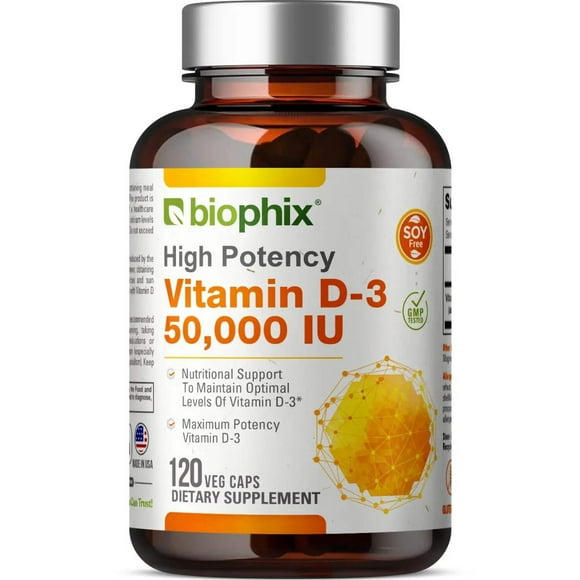
How people take vitamin D shapes their experience. Some patients prefer capsules because the regimen feels precise—measured, sealed, intentional. Others lean toward gummies because they create compliance without resistance. Either way, the method becomes part of the ritual.
One patient explained that gummies turned the regimen into something they could accept without bargaining. Another noted that capsules felt “clinical,” which helped them feel confident in the plan. Both descriptions reflect a common truth: adherence is not just biological—it’s behavioral and emotional.
Weekly dosing amplifies this effect. When the day arrives, people remember the reason. They may associate that moment with hope, relief, or the end of a long search for answers. The experience becomes a private chapter rather than a random act of supplementation.
The Waiting Game: Labs, Time, and Trust
After starting a weekly high-dose plan, many patients describe the “waiting game.” Bloodwork becomes a kind of milestone map. Vitamin D level checks are often remembered as moments of clarity—like hearing a verdict after months of uncertainty.
Some feel anxious between tests. Others interpret the waiting as a partnership with the body: the body will do its slow work, and the lab results will reveal the arc. Over time, trust grows. People learn to distinguish between the urgency of symptom-hunting and the patience required for physiologic normalization.
In these stories, a strong theme emerges: the plan isn’t only about intake. It’s about monitoring, adjusting, and maintaining appropriate targets. Patients who respect follow-up testing often describe their regimen as “safer,” even when they’re eager for results.
Time, in other words, becomes an ally. The narrative shifts from “Is it working?” to “Is the trajectory steady?” That change alone can be emotionally stabilizing.
Side-Effect Awareness: Respecting the Balance
While many people tolerate weekly 50,000 IU well, patient stories often include an important layer: vigilance. A few describe watching for unusual symptoms, even when they are uncertain whether anything is related. That careful attention reflects respect for balance.
High-dose regimens work best when paired with medical guidance. Patients learn that vitamin D isn’t a casual additive. It is a hormone-like nutrient involved in calcium handling, bone metabolism, and broader cellular regulation. Because of that, the body’s response matters.
Some people report no noticeable changes beyond gradual improvement. Others note changes in appetite, hydration, or general wellbeing. The details vary. What remains consistent is the emphasis on communication—checking in with clinicians, reviewing labs, and avoiding the temptation to self-adjust.
In metaphorical terms, the regimen is a carefully steered vessel, not a freewheeling vehicle. The steering matters.

The Unique Appeal: A Weekly Promise With Long Horizons
The most distinctive appeal of high-dose vitamin D stories is the combination of momentum and horizon. Weekly dosing provides momentum—something concrete begins, immediately part of the routine. The “long horizon” comes from how vitamin D supports slow restructuring within the body.
Patients often describe the regimen as a bridge between deficiency and stability. Not a shortcut, but a transition. They speak of learning their own patterns: when energy improves, how moods shift, how aches respond, and how confidence returns as the body becomes more predictable.
And beneath all the practical details—capsules, gummies, lab follow-ups—lies a shared human element: meaning. People don’t just take vitamin D. They take back agency. They take back the sense that their health has a direction.
In the end, high-dose weekly vitamin D can feel like a weekly signal flare—one that says, “The body is being supported. The system is recalibrating.” For many, that knowledge is its own form of relief.