There’s a particular kind of curiosity that forms when people discover the word “high-dose”—as if a larger number must automatically mean a faster solution. Vitamin D sits right in the middle of that fascination. After all, it’s not just a supplement; it’s a hormone-like nutrient that helps orchestrate calcium balance, immune signaling, bone remodeling, and even mood-related pathways. Yet the real story of high-dose vitamin D is rarely as simple as “more is better.” The truth is more nuanced, often beginning with a common observation: people take large doses because they feel better quickly—or because they assume they should.
In this article, we’ll explore the best high-dose vitamin D supplements through a practical, safety-first lens, comparing prescription options with over-the-counter (OTC) products. Along the way, we’ll address why high-dose vitamin D grabs attention, and what deeper reasons may sit underneath that pull—physical symptoms, fear of deficiency, and the human desire for certainty.
Why High-Dose Vitamin D Feels So Appealing
A common observation is that vitamin D deficiency feels like a vague, persistent fog. Fatigue. Body aches. Low motivation. Sometimes more frequent colds. Because these symptoms overlap with many conditions, people often search for a single, decisive lever. High-dose vitamin D appears to be that lever. A larger strength looks like a faster reset. Short sentences become persuasive in a world of quick answers: “Take 10,000 IU.” “Fix the deficiency.” The promise is alluring—especially when winter is long and sunlight is scarce.
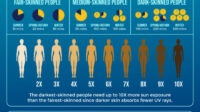
But fascination can also be psychological. When people feel out of control, they reach for measurable quantities. International Units (IU) look objective. They’re numbers you can hold. And there’s a deeper reason many gravitate toward high-dose products: the belief that deficiency must have a straightforward cause. In reality, vitamin D status depends on absorption, body composition, kidney function, medication interactions, and baseline stores—factors that are not visible on a label.
That’s why the “best” supplement isn’t the one with the biggest number. It’s the one aligned with your physiology and your lab results.
Understanding What “High-Dose” Means (and Why It Isn’t One-Size-Fits-All)
High-dose vitamin D generally refers to intakes that exceed routine maintenance levels. Many OTC products offer 1,000–2,000 IU daily, while high-dose OTC regimens often land around 5,000 IU or 10,000 IU. Prescription vitamin D is typically designed for confirmed deficiency or specific clinical scenarios, often using structured dosing schedules.
Still, “high-dose” is not just about IU. It’s also about frequency. Daily dosing behaves differently from weekly or monthly dosing. The body’s vitamin D pathway involves conversion steps and storage in adipose tissue, and those steps influence how long the effects last. A long sentence for a key point: even if two supplements share the same IU value, their dosing cadence can change blood levels and risk profiles.
To choose intelligently, you need to think like an orchestrator—not a shopper. Consider your target: repletion, maintenance, or prevention.
Prescription vs OTC: The Core Differences That Matter
Prescription vitamin D often comes in high-strength formulations, commonly used when deficiency is confirmed through blood testing (typically 25-hydroxyvitamin D). Because prescriptions are medical-grade and usually follow a clinician’s monitoring plan, they tend to reduce guesswork. Dose selection is personalized, and follow-up lab testing is often built into the approach.
OTC vitamin D, on the other hand, is accessible and convenient. It can be useful for mild deficiency, for people who are maintaining adequate levels, or for those who cannot access timely medical testing. Yet OTC choices vary widely in formulation, bioavailability, and quality assurance. Some products use cholecalciferol (vitamin D3), which is generally preferred for raising 25(OH)D levels. Others may include different forms or additional ingredients.
Here’s the practical comparison in plain terms:
Prescription strengths typically align with clinical repletion protocols and may come with monitoring.
OTC high-dose products require more self-management and careful attention to total daily intake—especially if multiple supplements are stacked.
In the best scenarios, prescription dosing is like a tailored suit; OTC is more like ready-to-wear. Both can work well, but only if the fit is right.
Best High-Dose Vitamin D Supplements for Repletion: What to Look For
If your goal is repletion—raising low vitamin D stores to an adequate range—look for clarity and consistency. The “best” supplements share several features: a reliably absorbed form (usually vitamin D3/cholecalciferol), transparent labeling of IU per serving, and dosing instructions that match your intended schedule.
Quality also matters. Reputable manufacturers typically provide third-party testing or robust quality controls. If a product is unverified, the IU may still be correct, but your confidence drops. That confidence gap becomes important when high-dose regimens are involved, because an accidental extra dose can compound over weeks.
Also pay attention to the delivery format. Capsules and softgels may differ in how quickly they dissolve. Long sentences help here: absorption can be influenced by fat intake, especially because vitamin D is fat-soluble. A supplement with oil-based formulation often performs better for some users.

Top Prescription Options: When Medical Monitoring Changes the Game
Prescription regimens are usually used when deficiency is significant or when symptoms suggest a need for structured treatment. These protocols often start with higher doses and then taper into maintenance. The advantage is not merely the strength—it’s the oversight.
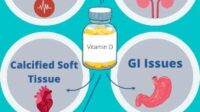
Medical monitoring is crucial because vitamin D is fat-soluble and can accumulate. That’s where the deeper reason fascination can become dangerous: people assume “vitamins can’t really be risky.” But high-dose vitamin D can lead to hypercalcemia in susceptible individuals, which may cause nausea, constipation, confusion, kidney strain, and in severe cases, cardiovascular complications.
Clinicians typically reduce this risk by checking baseline labs and repeating them after a set period. They may also consider kidney function and concurrent medications. If you’ve ever seen how quickly an apparently helpful supplement can become a liability, you understand why prescription pathways exist.
Top OTC Choices: How to Select Safely Without Losing Momentum
OTC high-dose vitamin D can be effective when used responsibly. The “best” OTC products tend to be vitamin D3 (cholecalciferol), clearly labeled, and used according to a sensible schedule. Many people choose daily dosing, while others prefer weekly dosing for simplicity. Both are workable, but the key is consistency.
Be wary of stacking. A multivitamin may already contain vitamin D. Add a fortified drink, a separate D3 capsule, and a “bone health” formula, and you may accidentally overshoot your plan. A short sentence can prevent a large mistake: Count everything.
If you cannot access labs, it’s wise to use conservative high-dose strategies rather than extreme ones, and to reassess after a few months. For many individuals, a smaller dose used consistently is safer than a very high dose used impulsively.
Absorption, Body Composition, and the Reality of “It Doesn’t Work for Me”
Another common observation is: “I took vitamin D but my levels didn’t rise much.” That frustration often has deeper roots. Vitamin D status is influenced by body fat percentage because vitamin D is stored in fat tissue. People with higher body mass may require different dosing to achieve the same blood level increase.
Absorption is also affected by gastrointestinal health. Malabsorption conditions, inflammatory bowel disease, bariatric surgery, and chronic fat malabsorption can reduce uptake. Then there are medication interactions: certain anticonvulsants, glucocorticoids, and weight-loss drugs can shift vitamin D metabolism. These are not trivial details; they determine whether a high-dose supplement behaves like a helpful intervention or a missed opportunity.
If vitamin D “doesn’t work,” it may not be the supplement—it may be the pathway.
Safety Limits, Signs to Watch, and Why Cautious Monitoring Wins
High-dose vitamin D should be treated with respect. While guidelines vary by region and clinical context, excessive dosing can push calcium too high. Symptoms of potential toxicity include persistent nausea, appetite loss, frequent urination, excessive thirst, weakness, and kidney-related discomfort. These aren’t decorative warnings—they’re signals.
Long-term use of high-dose amounts without testing is a gamble. If the fascination with certainty is strong, at least bring that certainty back through labs. A reasonable strategy is to measure 25(OH)D, adjust dose, and recheck. This approach turns guessing into data.
Choosing the “Best” Option for You: A Simple Decision Framework
To choose well, decide what you’re actually trying to accomplish. If you have confirmed deficiency, prescription dosing with monitoring often provides structure. If you’re maintaining or mildly correcting, an OTC vitamin D3 product can be effective—especially when paired with sensible dosing and careful accounting of total intake.
Also consider your context. Are you frequently indoors? Do you have a history of low levels? Are you pregnant or managing bone health? Do you have kidney issues? Each factor changes the risk-benefit equation.
The best supplement is rarely the flashiest one. It’s the one that fits your labs, your lifestyle, and your safety plan.
Bottom Line: High-Dose Doesn’t Mean High-Confidence
High-dose vitamin D can be a powerful tool, especially when deficiency is real and when the dosing plan is deliberate. Prescription regimens shine when monitoring and personalization are needed. OTC options shine when they’re used thoughtfully, with attention to formulation, dosing, and total intake.
And if there’s one truth that dissolves the mythology of “more,” it’s this: vitamin D works best when the dose matches the deficiency—not the curiosity.