Vitamin D is often described as a “sunshine vitamin,” yet the way you obtain it can tilt the scale between health and hazard. Natural sunlight and tanning beds both influence your skin’s ability to synthesize vitamin D, but they do so through very different spectra, contexts, and risk profiles. The real story isn’t simply about brightness—it’s about ultraviolet physics, cellular stress, and the long tail of consequences that may arrive years after a seemingly harmless session.
Vitamin D: Why Your Skin Actually Cares
Your skin manufactures vitamin D primarily through a photochemical reaction. When ultraviolet B (UVB) light reaches specific molecules in the skin, it triggers a cascade that ends with vitamin D production. From there, the body performs additional processing in the liver and kidneys, converting it into active forms that support calcium homeostasis, bone mineralization, immune signaling, and muscle function.
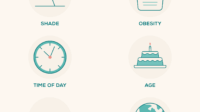
However, vitamin D synthesis is not a simple “more UV equals more vitamin D” equation. Skin pigmentation, seasonality, latitude, altitude, cloud cover, age, and even time of day all influence how much UVB is available. That’s why two people can receive the same “sun time” and end up with strikingly different vitamin D outcomes.
Sunlight: The Natural Spectrum, With Caveats
Sunlight is a broad, dynamic blend of ultraviolet wavelengths plus visible light and infrared radiation. For vitamin D, the UVB portion is the primary driver, while UVA contributes less to vitamin D production. The benefit is that outdoor exposure often varies across time and angle, creating a more irregular but generally less intense UV environment than a tanning device.
Yet sunlight is not a free pass. UV exposure can cause erythema (sunburn), DNA damage, and immunosuppression. Sunburn itself is not required for harm; microscopic cellular injuries can occur even without obvious redness. In other words, the body can be “quietly” damaged long before you feel anything.
There is also a paradox for many readers: winter sunlight may look strong but provides limited UVB, especially at higher latitudes. A person might spend hours outside and still produce insufficient vitamin D. Conversely, intense summer midday sun can accelerate both vitamin D production and skin injury at the same time.

Tanning Beds: Concentrated UVA and a Higher Risk Trajectory
Tanning beds primarily emit UVA, often accompanied by UVB in smaller amounts. The key issue is that UVA penetrates deeper into the skin than UVB, contributing to photoaging and cumulative damage. While some vitamin D production can occur, the risk-to-benefit ratio tends to be unfavorable for most users.
Because tanning beds deliver ultraviolet radiation in controlled sessions, they can feel predictable—like a scheduled “health hack.” But predictability is not safety. Repeated sessions can compound DNA damage over time, increasing the likelihood of skin cancers. Skin type matters, but the baseline risk rises with exposure itself.
Even when a user appears to “tolerate” tanning well, tolerance often reflects surface adaptation, not cellular safety. The deeper damage may not be visible until it manifests years later.
Understanding UVB vs UVA: Two Different Biological Narratives
UVB is strongly associated with vitamin D synthesis and also with sunburn and DNA injury. UVA is less efficient at producing vitamin D but is notorious for penetrating deeper tissues, generating oxidative stress, and promoting collagen breakdown. It also contributes to pigment changes and long-term structural degradation.
This matters because tanning beds frequently emphasize UVA to create a cosmetic tan. That cosmetic goal can overshadow vitamin D, turning the session into a beauty ritual rather than a nutrient strategy. Sunlight, while unpredictable, usually includes UVB sufficient to support vitamin D for many people—especially during months and times when UVB is abundant.
Both routes can harm skin. The difference is that sunlight tends to have more seasonal and intensity variability, while tanning beds provide repeated, concentrated exposure that may increase cumulative risk without guaranteeing meaningful vitamin D gains.
Who Might Be at Higher Risk With Either Option
Risk is not uniform. Certain groups should treat UV exposure as a high-stakes variable rather than a routine lifestyle choice.
People with fair skin, freckles, a history of sunburns, or numerous moles are more vulnerable. A personal history of skin cancer—or a family history—changes the calculus dramatically. Immunocompromised individuals may have increased sensitivity to UV-related cellular damage. Those taking photosensitizing medications (including some antibiotics, retinoids, and certain psychiatric drugs) may burn more easily and develop inflammation sooner.
Even without these factors, frequency and intensity matter. A single session can damage DNA. Repetition increases the odds that cellular repair mechanisms fail or that mutations accumulate.
Danger Signs You Should Never Ignore
Some readers treat tanning-related harm as cosmetic—“I just look red.” But danger can travel under the radar.
Watch for persistent redness beyond the typical window, blistering after exposure, unusual pigmentation changes, or lesions that bleed, crust, or change texture. A spot that evolves—size, color, or shape—deserves clinical attention. The most treacherous lesions are sometimes painless, slow-growing, and easy to dismiss.
If you’ve used tanning beds and later notice suspicious moles or persistent marks, prioritize a professional skin evaluation. Early detection changes outcomes dramatically.
Bone Health, Immunity, and the Vitamin D Gap
Vitamin D’s relevance extends beyond bones. Adequate levels support calcium absorption and may reduce risk of fractures. There’s also a broader relationship between vitamin D and immune modulation, including inflammatory signaling. These roles encourage people to chase vitamin D when levels are low.
But the pathway matters. Chasing vitamin D via tanning bed exposure can become an indirect health gamble. Many people instead benefit from safer strategies such as vitamin D testing and supplementation—especially when UVB availability is low due to season or location.
Short, non-burning outdoor exposure can help some individuals maintain adequate vitamin D, while supplementation may be more controllable and less carcinogenic. The goal is nutrient sufficiency, not UV exposure as a hobby.
Content Expectations: How Different Formats Can Help Readers
Readers absorb risk information best when it arrives in forms that match their attention style. Expect articles that include comparisons, practical schedules, and myth-busting. Some readers prefer checklists—“What to do if you want vitamin D safely.” Others want narrative guidance—how a person’s habits change after a diagnosis or after a lab test reveals low levels.
You may also see expert-led breakdowns of UVB versus UVA, with charts or scenario-based guidance for skin types. Another valuable format is Q&A, where common questions—“Is a mild tan healthy?” or “Can I get vitamin D without burning?”—are answered with clear boundaries.
Long-form content often works like a lantern: it doesn’t just warn, it explains the mechanisms behind warnings. Short-form content, by contrast, can be a siren—quick and urgent—but less nuanced. A balanced information diet blends both.
Safer Alternatives: Reaching Vitamin D Without the Hazard
If your objective is vitamin D, there are safer approaches than tanning beds. A clinician-guided supplementation plan can reduce uncertainty. Testing your vitamin D level can clarify whether you truly need intervention, rather than assuming deficiency from fatigue or seasonal trends.
Some readers may also explore food sources such as fatty fish, fortified dairy alternatives, or fortified cereals. These options rarely replace sunlight entirely for everyone, but they can support steady intake.
When outdoor exposure is chosen, aim for minimal exposure that avoids sunburn. Sun safety practices—protective clothing, sunglasses, and sensible timing—help reduce the cumulative harm while still allowing occasional UVB exposure when conditions are favorable.
Conclusion: Make Vitamin D, Not a Skin Liability
Sunlight and tanning beds can both influence vitamin D production, but the health ledger tilts heavily toward caution. Sunlight offers a more natural and often more variable UVB environment, yet it still requires restraint to prevent DNA damage and immunosuppression. Tanning beds, meanwhile, frequently emphasize UVA-driven cosmetic tanning and can escalate cumulative risk.
Vitamin D is too important to obtain through avoidable hazard. The most prudent path is nutrient-focused: test when possible, supplement when needed, and use outdoor exposure sparingly and safely. The goal is longevity—radiant health that doesn’t rely on ultraviolet debt.