Vitamin D is often treated like a simple wellness add-on, but the truth is more nuanced: what you eat—or don’t eat around it—can influence absorption. One question surfaces repeatedly: should you avoid fiber when taking vitamin D? The answer isn’t a blanket “yes” or “no.” It depends on the form of vitamin D, the rest of your meal, your digestive physiology, and even the kind of fiber you’re dealing with.
Why Vitamin D Needs Dietary Context (Not Just a Pill)
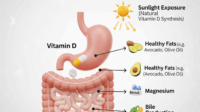
Vitamin D belongs to the fat-soluble family. That means it’s not handled like water-soluble vitamins that dissolve and travel freely. Instead, it depends on the digestive machinery that processes dietary lipids—bile secretion, micelle formation, and intestinal transport. When vitamin D is taken on an empty stomach, some people absorb less efficiently. When paired with a meal containing fat, absorption tends to improve.
Fiber, however, sits downstream of this conversation. It can be either a helpful conductor or an accidental traffic jam. To understand why, you have to zoom in on fiber type: soluble versus insoluble, fermented versus non-fermented, and how each interacts with digestion.

Fiber Types: Soluble vs Insoluble (And Why It Matters)
Not all fiber behaves the same. Soluble fiber dissolves or gels in water. It can form a viscous layer that changes how nutrients move through the gut. Insoluble fiber, by contrast, adds bulk and speeds transit for some people, which may reduce contact time with the absorptive surface.
So when people worry about fiber “blocking” vitamin D, they’re often thinking of soluble fiber’s ability to alter viscosity and nutrient diffusion. That said, absorption isn’t determined solely by viscosity. It’s also affected by meal composition, gut motility, and how your body packages fats and fat-soluble compounds into transport systems.
In practical terms: most evidence does not support the idea that fiber universally sabotages vitamin D. Instead, timing and context often matter more than total fiber intake.
What “Avoid Fiber” Really Means: Timing, Dose, and Meal Composition
If you’ve heard advice to avoid fiber when taking vitamin D, it’s usually shorthand for a more specific concern: taking vitamin D at the same time as a high-fiber meal may reduce absorption for some individuals. This doesn’t mean fiber is “bad.” It means the combination can be less cooperative, especially if the meal is also low in fat.
A more strategic approach looks like this:
Short lag timing: If you take vitamin D on a day when you eat a very high-fiber meal, consider spacing the supplement by about 1–2 hours. This can allow digestion patterns to stabilize.
Meal pairing: Take vitamin D with a meal that includes fat (for example, eggs, yogurt, olive oil, avocado, or fish). When fat and vitamin D travel together, the system has the necessary scaffolding.
Consistency over perfection: If your diet is consistently fiber-rich, your gut may adapt. Occasional spacing can be enough; you don’t need to abandon fiber permanently.
The Fat Factor: Why Fat-Soluble Vitamin D Responds to Lipids
Vitamin D’s “fat dependence” is the cornerstone of the conversation. When you consume vitamin D with dietary fat, bile acids and digestive lipids collaborate to form micelles—tiny carriers that ferry fat-soluble substances across the intestinal wall. Fiber may influence digestion speed or viscosity, but it doesn’t rewrite the fact that vitamin D still needs fat-mediated transport.
This leads to an important reframing: instead of asking whether fiber should be avoided, ask whether the vitamin D has a proper delivery channel. A fiber-heavy meal that is also low in fat may create a less favorable environment. Conversely, a fiber-containing meal with adequate healthy fat often supports better absorption.

What Happens in the Gut: Fiber as Traffic Controller vs Fiber as Fodder
Fiber influences the gut in two competing ways. It can act like a traffic controller, changing how quickly contents move and how nutrients diffuse. But it can also act like fodder for the microbiome. Fermentable fibers are metabolized by gut bacteria into short-chain fatty acids, which support colonic health and may indirectly influence metabolic signals.
For many people, the microbiome benefit outweighs the absorption concern. The gut is not a single-lane highway; it’s a layered ecosystem. While fiber can affect the micellar microenvironment indirectly, a fiber-rich diet usually supports broader health outcomes, including glucose regulation and inflammation modulation.
Therefore, “avoid fiber” can be an oversimplification. A gentler stance is “manage the pairing.”
How Different Forms of Vitamin D Change the Answer
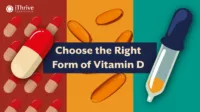
Vitamin D comes in multiple forms, and that nuance affects the fiber conversation. Common options include:
Vitamin D3 (cholecalciferol): Generally regarded as effective for raising vitamin D levels. It’s fat-soluble, so meal pairing still matters.
Softgels and oils: These often naturally include fat, which may improve absorption. Fiber timing may matter less.
Chewables or gummies: These may contain fats or emulsifiers depending on formulation. If fat content is minimal, fiber spacing may be more relevant.
Liquid drops: If taken with a fatty meal or mixed into a spoonful of food containing fat, absorption may improve.
If you’re trying to optimize without micromanaging, note the product’s format. The “fat package” within the supplement can matter as much as dietary fiber.
Practical Strategies: A Cohesive Routine That Minimizes Conflict
Instead of avoiding fiber outright, use a routine that respects both digestive mechanics and long-term nutrition. Consider these tactics:
Take vitamin D with your fattiest meal: Many people absorb better when the supplement is paired with lunch or dinner containing healthy fats.
Separate from the most extreme fiber spikes: If you use supplements like bran or psyllium at the same time, try not to stack them. A short interval can prevent potential interference.
Watch your personal response: Some individuals report less benefit when they take vitamin D after high-fiber meals. Your experience is valid. Adjust timing rather than abandoning fiber.
Consider baseline lab testing: If vitamin D deficiency is being treated, follow clinician guidance and recheck levels after an appropriate interval. “Efficient absorption” becomes measurable when you test.
Common Misconceptions: Fiber Isn’t the Villain
One of the most persistent myths is that fiber “blocks” fat-soluble vitamins in a universal way. Nutrition rarely works like that. Fiber can reduce absorption under certain conditions—especially when meals are poorly structured for fat transport. But in many real-world diets, fiber coexists with adequate dietary fats and doesn’t dramatically derail vitamin D.
Another misconception is that avoiding fiber improves digestion by default. Sometimes removing fiber worsens constipation, alters bile acid recycling indirectly, or reduces beneficial microbiome activity. That’s not a side effect you want when your goal is long-term health.
When You Should Be More Careful (Medical Edge Cases)
Some circumstances raise the stakes. If you have fat malabsorption syndromes, inflammatory bowel disease, celiac disease, pancreatic insufficiency, or a history of bariatric surgery, vitamin D absorption can be impaired regardless of fiber. In those cases, advice about timing and diet may need individualization.
Similarly, if you’re taking vitamin D alongside certain medications that influence fat absorption or bile function, a clinician may recommend specific strategies. When absorption is already compromised, the question becomes: what else can be adjusted safely to improve outcomes?
The Bottom Line: Don’t Avoid Fiber—Optimize the Pairing
The most reliable conclusion is this: you usually don’t need to avoid fiber when taking vitamin D. The better focus is pairing vitamin D with fat-containing meals, managing timing around the most extreme fiber loads, and choosing a vitamin D format that supports absorption.
Fiber belongs in your nutrition plan. Vitamin D belongs in your routine. When they meet, they don’t have to collide. With thoughtful timing and meal context, you can support absorption while maintaining the metabolic and microbiome benefits that fiber quietly delivers every day.