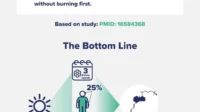
Have you ever wondered why a mushroom can be both humble and oddly heroic—like a tiny organism that helps your body “borrow” sunlight without stepping outside? Today’s question is playful, but the stakes are real: what happens to your vitamin D status when the mushrooms on your plate are sun-exposed versus those that are grown more routinely? Consider this a culinary challenge—once you learn the difference, you’ll start looking at mushrooms as if they were miniature alchemists.
Vitamin D in One Breath: Why Mushrooms Matter
Vitamin D is often treated as a simple “sunshine vitamin,” yet it behaves more like a hormone precursor. Your body needs it for calcium homeostasis, bone mineralization, immune modulation, and muscle function. When vitamin D is insufficient, the downstream effects can feel slow and sneaky—fatigue, aches, and a general sense that your system is running on low batteries.
Here’s where mushrooms enter the story. Unlike most foods, certain mushrooms can naturally contain meaningful vitamin D precursors—especially when exposed to UV light after harvest or during growth. The result can be vitamin D2 (ergocalciferol), a form that can still contribute to your overall vitamin D status.
So the central idea isn’t that mushrooms “replace” sunlight entirely. It’s that they can act as a practical supplement-like food, bridging a gap when sun exposure is limited.
Sun-Exposed Mushrooms: The UV Glow-Up
Sun-exposed (or UV-treated) mushrooms take a bioenergetic shortcut. Their cells contain ergosterol, a sterol compound that can be transformed when exposed to ultraviolet radiation. Under UVB, ergosterol is converted into vitamin D2. In other words, light becomes a chemical switch.
Imagine ergosterol as raw clay and UV as the kiln. Without the heat, the clay stays clay. With the kiln, it becomes something sturdy enough to serve a biological purpose. The vitamin D content therefore tends to be higher in mushrooms intentionally exposed to UV.
This difference can matter because vitamin D isn’t simply “present or absent.” It’s a concentration game. Sun-exposed mushrooms can help raise intake in a more noticeable way, especially when dietary options are limited.

Regular Mushrooms: Still Useful, But Less Vitamin D-Forward
Regular mushrooms—those not specifically treated with UV—still bring a lot to the table. They offer fiber, B vitamins, selenium, antioxidants, and umami compounds that make meals satisfying rather than merely functional.
However, regarding vitamin D, they may be comparatively modest. Their ergosterol remains largely unconverted into vitamin D2. This doesn’t make them “bad.” It simply means they behave like well-rounded teammates rather than vitamin D standouts.
If you’re relying on mushrooms as a primary vitamin D contributor, regular varieties may not move the needle as effectively. That’s why labeling, storage practices, and preparation methods can become unexpectedly important.
The Challenge: “Can I Cook My Way to Vitamin D?”
Here’s the playful twist—some people assume that cooking will magically generate vitamin D. Unfortunately, vitamin D formation depends on UV-driven chemistry that must occur before the molecule is already in place. Once mushrooms are harvested without UV conversion, cooking typically won’t manufacture vitamin D2 from scratch.
Still, the cooking stage is not pointless. It affects bioavailability, palatability, and how consistently you eat enough mushrooms to matter. A stew, a roast, or a stir-fry can be the difference between a token slice and a hearty portion.
So the challenge is this: can you make the “right” mushroom the “right” habit? Choose sun-exposed varieties when possible, then pair them with cooking methods that encourage a satisfying serving size.
How Much Might You Need? Practical Intake Thinking
Vitamin D needs vary based on age, latitude, skin pigmentation, season, body mass, and health status. Some people may require more frequent supplementation; others may do fine with modest intake plus regular sunlight.
When considering mushrooms, treat them like a targeted contributor. Sun-exposed mushrooms may provide a more meaningful vitamin D2 dose per serving, but the exact amount can vary by product and processing. Regular mushrooms can still support overall nutrition, but they may not provide the same vitamin D punch.
To make this practical: if your dietary plan lacks vitamin D-rich options, prioritizing UV-treated mushrooms could help fill the gap. If you already meet needs through fortified foods or supplements, mushrooms remain a valuable nutritional ally—just not your sole vitamin D lever.
Bioavailability and Meal Pairings: Don’t Underestimate Chemistry
Vitamin D is fat-soluble. That means the way you build your meal can influence absorption. Pairing mushrooms with healthy fats—like olive oil, avocado, or nuts—may help absorption. It’s not magic; it’s logistics. Lipids can help transport fat-soluble nutrients through the digestive system more efficiently.
Also consider that mushrooms are not just nutrient packages; they’re texture and flavor vehicles. When meals are enjoyable, adherence rises. And adherence is the unglamorous hero of nutrition.
Think of your dinner plate as a delivery system: the nutrient doesn’t just need to exist—it needs to travel.
Seasonal Logic: Sunlight Isn’t Always a Reliable Ingredient
Depending on climate and time of year, sunlight can be inconsistent. Even in sunny regions, your schedule, clothing coverage, and latitude can limit effective UV exposure. Winter months can turn “outdoor time” into a decorative activity rather than a vitamin D strategy.
That’s where sun-exposed mushrooms become a sensible dietary countermeasure. They bring a controlled, food-based method of vitamin D2 formation into your routine, reducing the guesswork of weather-dependent habits.
In a world where consistency matters, food can be the steady variable.
Labels, Storage, and the Fine Print of Freshness
Because vitamin D potential depends on UV exposure, product labeling can be crucial. Look for indications that mushrooms were UV-treated or sun-exposed. If you’re buying in bulk, pay attention to storage conditions; prolonged exposure to heat or light can degrade certain sensitive components.
Cooking also changes the sensory profile—sometimes dramatically—so your best bet is choosing mushrooms that you’ll reliably eat. The most technically “correct” choice is the one that doesn’t get abandoned after the second attempt.
So, Which Should You Choose?
If your goal includes supporting vitamin D status, sun-exposed or UV-treated mushrooms are the more vitamin D-forward option. Regular mushrooms remain nutritionally valuable, but they are less likely to provide a significant vitamin D dose.
And now the final question—slightly mischievous, but honest: will you treat mushrooms like an afterthought, or will you treat them like a deliberate ingredient with a job to do?
Choose sun-exposed varieties when you can, build your meals with fat-containing pairings for better absorption, and keep consistency at the center. Then let your kitchen become your quiet ally—one that turns biology into something deliciously doable.