Winter has a peculiar way of rearranging your body’s priorities. Days shorten, outdoor routines thin out, and sunlight becomes a rarer commodity. For many people, that seasonal shift quietly nudges vitamin D levels downward—sometimes gradually enough that you only notice once fatigue, aches, or a stubborn drop in mood makes itself known. The good news is that testing can bring clarity. With the right lab measurements and a thoughtful plan for “before and after,” you can move from guesswork to evidence-based action.
Why vitamin D drops in winter (and why timing matters)
Vitamin D is unusual among nutrients because your skin synthesizes much of it in response to ultraviolet B (UVB) exposure. When winter arrives, several factors conspire against consistent production: fewer daylight hours, lower UVB intensity, cloud cover, and more time spent indoors. Even those who “try to get outside” can unintentionally limit effective exposure, since the angle and strength of sunlight matter.
Timing is the fulcrum of effective testing. A test taken early in winter captures your baseline after summer stores have been depleted. Another test taken later—often 8 to 12 weeks after sensible supplementation or lifestyle adjustments—reveals how your body responds. Think of it as a seasonal feedback loop: measure, adjust, measure again.
What to test: the key lab marker (25-hydroxyvitamin D)
When people say “vitamin D levels,” they usually mean 25-hydroxyvitamin D, often reported as 25(OH)D. This is the primary circulating form and tends to reflect your longer-term vitamin D status more reliably than short-term fluctuations.
You may also see additional markers in certain clinical contexts—such as calcium, phosphate, parathyroid hormone (PTH), or markers relevant to bone metabolism. Those are helpful when symptoms overlap with metabolic bone concerns or when supplementation decisions need tighter calibration. However, the cornerstone remains 25(OH)D.
Before you book a blood test, check that your order specifies the correct assay. Small differences in lab reporting can cause confusion, especially if results arrive with different units such as ng/mL versus nmol/L.
When to test before winter: catching the baseline
For many readers, “before winter” is not a single date; it’s a window. A practical approach is testing in late autumn—often when daylight has begun to decline but before winter has fully taken hold. This timing helps you establish a reference point that reflects seasonal transition rather than the extreme low-UV period alone.
Short and long-term habits matter. If you’ve recently changed your routine—new job hours, more indoor time, travel to a sunnier climate—consider that context when interpreting results. Vitamin D is not only about sunlight; it is also influenced by dietary intake, body composition, and individual physiology.
When to test after winter: evaluating your response
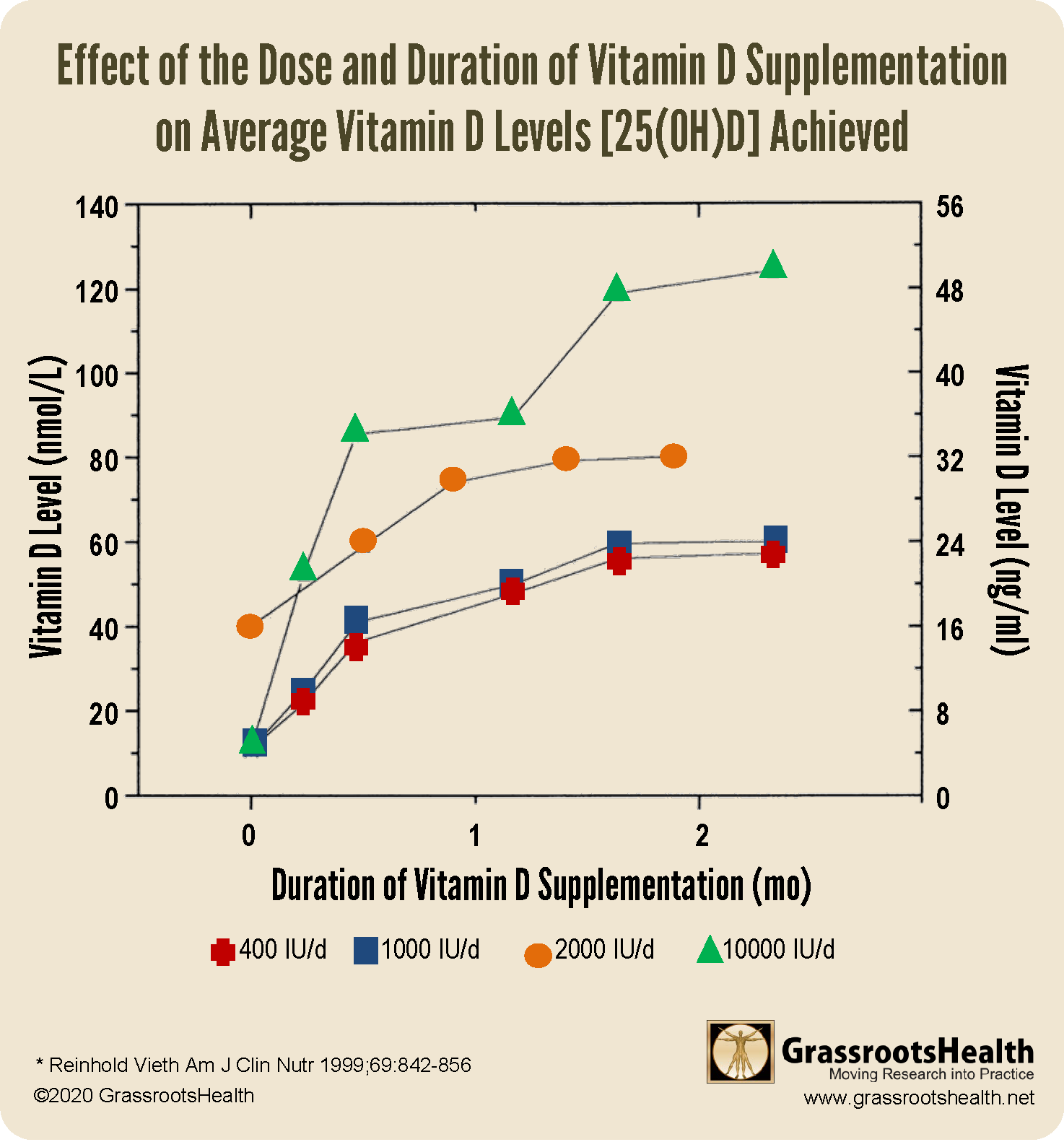
Testing after winter should not be rushed. Vitamin D supplementation (if you choose it) takes time to influence circulating levels. An appropriate follow-up often occurs about 8 to 12 weeks after your strategy begins. This window allows the body to settle into a new biochemical rhythm.
If you are not supplementing, “after winter” still has value. It shows whether your lifestyle alone maintained adequate levels—or whether your winter routines effectively placed you in a deficiency trough.
Consistency improves interpretability. Aim for a similar phase of the year and, if possible, keep lab timing close to the same day-of-week and time-of-day. The body is dynamic; you want a comparison that is fair.
How to prepare for a blood test: reduce noise in the results
Vitamin D testing is usually straightforward, but preparation can reduce avoidable variability. Most people can continue normal routines, yet it’s helpful to understand how supplements might affect results. If you take vitamin D regularly, many clinicians recommend continuing your usual dosing until the test—unless you were specifically instructed otherwise.
If you recently started a new supplement or altered your dose, disclose the change to the healthcare team. Even small dosing shifts can influence measured 25(OH)D within weeks. Disclosure prevents misinterpretation and supports more precise planning.
Hydration and general health also play a role in blood draw comfort, though they don’t typically “fake” vitamin D readings the way some lab errors can. Still, arrive well-rested. The testing experience should feel calm, not chaotic.
Understanding your results: what numbers can mean for you
Vitamin D lab reports commonly categorize results into ranges such as deficiency, insufficiency, or sufficiency. The exact cutoffs can vary by guideline, so the most useful interpretation is the one anchored to your clinical context.
Symptoms are not a perfect match to numbers, yet they can guide the urgency of follow-up. If results are low and you’re experiencing muscle weakness, persistent aches, or unusual fatigue, that pattern deserves attention. The same applies if you have risk factors: limited sun exposure, darker skin pigmentation, older age, malabsorption conditions, obesity, or certain medications.
In some people, low vitamin D intersects with other concerns. For example, calcium balance and parathyroid hormone activity can shift when vitamin D is insufficient, affecting bone health over time.
Signs you may need testing sooner rather than later
Some readers only suspect low vitamin D when winter arrives with its habitual symptoms—yet waiting can turn manageable issues into slower-moving ones. Consider earlier testing if you’ve had recurring bone pain, frequent fractures, muscle cramps, or a persistent decline in energy that feels out of character.
It’s also worth testing if your lifestyle changed in a way that reduced UVB exposure sharply. People who work night shifts, stay indoors for extended periods, or cover most skin routinely can accumulate risk quietly. Testing can help uncover what you cannot reliably feel.
Finally, if you have a history of vitamin D deficiency, a planned winter test provides structure and prevents long periods of uncontrolled low levels.
After you test: building a winter plan for improvement
Testing is the compass, not the destination. Once you know your baseline, you can design a plan that aligns with your level, risk factors, and preferences. Some people benefit from targeted supplementation during winter, while others focus on diet and lifestyle changes.
Diet can contribute, but it often won’t fully compensate for reduced sunlight. Fatty fish, fortified foods, and certain dairy products may help—yet the impact varies widely. Supplementation can be more predictable, especially when winter daylight is limited.
A thoughtful plan also considers tolerability. Vitamin D is fat-soluble, so it interacts with how your body handles fats and energy. That’s one reason why repeated measurement can be more empowering than “guess dosing.”
How content types shape your learning: what you’ll likely want to see
People absorb health information best when it’s layered. Many readers prefer practical “how-to” guidance: exactly what test to request, when to schedule it, and how to interpret timing. Others gravitate toward narrative explanations—how winter biology shifts, how sunlight matters, and why the timing of measurement can change what you discover.
Visuals also support comprehension. A clear infographic can turn a complex biochemical pathway into something you can remember. Educational articles often include symptom checklists, risk-factor lists, and a “before/after” roadmap that makes testing feel like a seasonal routine rather than a medical event.
For those who prefer integration with real-world wellness, some readers enjoy content connecting vitamin D with broader health themes such as balance and vestibular comfort, especially when winter chills coincide with changes in activity and indoor movement patterns.

When to seek clinical guidance: interpreting more than the vitamin D number
If results are substantially low or if you have persistent symptoms, a clinician can help interpret what the number means in your body. This may include evaluating calcium, assessing bone-related risk, and considering other contributors such as thyroid function, iron status, magnesium levels, or metabolic conditions.
Sometimes, vitamin D optimization is not just about raising a number—it’s about preventing downstream effects. Discussing your results can also help ensure your plan is proportionate. Over-supplementation can be problematic, and the safest strategy is usually one that is guided by measurement.
If you experience significant changes in muscle function, frequent falls, or persistent discomfort, seek guidance promptly. Winter can mask underlying issues behind “seasonal fatigue,” but your body’s signals deserve a careful ear.
Practical checklist: a before-and-after winter testing routine
Use this as a simple schedule anchor. First, plan a blood test in late autumn to establish your baseline 25(OH)D. Next, start your winter strategy—dietary adjustments, supplementation if appropriate, and sensible outdoor exposure when feasible. Then schedule a follow-up lab test about 8 to 12 weeks later to evaluate response.
Keep a note of what you changed during that interval: supplement dose, adherence, dietary changes, and time spent outdoors. These details make the second test easier to interpret. Finally, review results with a healthcare professional if levels are low, if symptoms persist, or if you have risk factors that warrant closer monitoring.
Conclusion: testing turns winter into a measurable chapter
Winter doesn’t have to be a guessing game for your vitamin D status. With a planned test before the season deepens and a follow-up after your strategy has had time to work, you transform vague worry into a clear, data-driven narrative. Short sentences help decision-making; long-term consistency helps your bones, muscles, and daily energy feel more like yours again.
Measure wisely, interpret thoughtfully, and let the numbers guide a winter plan that respects your body’s seasonal biology.