What if you could check your vitamin D status—without waiting for an appointment, navigating scheduling limbo, or hoping the next available slot aligns with your calendar? It’s a tantalizing thought, especially when fatigue, muscle aches, or seasonal mood shifts start hinting that your body might be running low. Yet here’s the playful challenge: direct access sounds delightfully simple, but it can also be an obstacle course of eligibility rules, ordering workflows, and lab logistics. Let’s map a clear route through it.
Start with the “why”: recognize what a Vitamin D test can (and can’t) reveal
A vitamin D blood test, typically measuring 25-hydroxyvitamin D (25[OH]D), is the most informative snapshot of your vitamin D stores. Short-term fluctuations are common—diet, sunlight exposure, supplements, and even recent illness can nudge results. That means the test is most useful when interpreted alongside your habits and symptoms.
It also helps to know what you’re not getting. A single value doesn’t diagnose every condition tied to vitamin D metabolism. Kidney disease, malabsorption syndromes, certain medications, and inflammatory processes can all complicate the picture. Still, having your number gives you leverage: you can adjust supplementation, discuss lifestyle changes, and monitor trends over time.
Understand “direct access”: your test, your pathway, fewer intermediaries
“Direct access” means you obtain laboratory testing without going through a traditional doctor visit to order it. Depending on where you live, pathways may include physician oversight models, nurse practitioner ordering, telehealth ordering, or state-specific consumer access programs. The key idea remains: you’re not starting at a clinic desk—you’re starting at a testing process.
However, direct access is not synonymous with universal freedom. Some regions allow consumers to order certain tests directly; others require a licensed clinician to authorize the lab draw. The playful truth is that the paperwork still has a pulse—it’s just often managed differently.
Choose the right test: verify you’re requesting 25(OH)D
Before you commit, confirm the exact assay. Many ordering portals describe the lab differently—some call it “Vitamin D, 25-Hydroxy,” while others use lab-panel language. You want the form that reflects body reserves, not a fragmentary proxy.
If a portal offers options such as D2 and D3 breakdown, that can be useful. D3 often correlates more strongly with sunlight and many supplements, while D2 may be tied to certain food sources or prescription regimens. You don’t necessarily need the breakdown to begin, but it can enrich later decision-making.

Find a direct-access lab channel: compare workflow, availability, and sample handling
Direct access is a choreography. Your goal is to select a lab or ordering service that can provide: (1) an online ordering step, (2) clear instructions for appointment or walk-in options, and (3) transparent specimen handling requirements. The last point matters more than people think—labs may require specific collection tubes or labeling procedures, especially when multiple tests are bundled.
Look for practical clarity: Where are the sample collection sites? What are the hours? Is the turnaround time measured in business days? Are there options for home collection in certain regions? If the portal is vague, treat that as a yellow flag. Vague guidance can lead to missed instructions, compromised specimens, or unnecessary repeat draws.
Pre-test considerations: do you need to fast, and what about supplements?
Many vitamin D tests do not require fasting. Yet there can be exceptions when tests are packaged as part of a broader panel. If your order is “vitamin D only,” you’ll often be okay to eat normally. Still, confirm whether the lab recommends fasting or avoids certain behaviors.
Supplements create another wrinkle. If you recently started high-dose vitamin D or changed dosing frequency, your results might reflect that shift. You don’t always need to stop supplements before testing—actually, stopping without guidance can make comparisons less meaningful. A better approach is to document what you take and when you took it, so the result has context.
Also consider medications. Anticonvulsants, steroids, weight-loss drugs, and some cholesterol medications can influence vitamin D metabolism. Even if you don’t need to “medicate-stop,” you’ll want to note relevant medications for accurate interpretation later.
Supply and privacy: pay attention to verification, billing, and data security
Ordering without a doctor doesn’t eliminate the need for identity verification. Some labs require ID at the draw site. Others confirm order numbers online. This is normal, but it can feel bureaucratic—like trying to open a door that has a different key slot than expected.
Billing is equally important. Determine whether you’ll pay out-of-pocket. In some areas, insurance reimbursement is possible, while in others it’s not. If you plan to seek reimbursement, request itemized documentation and confirm whether the test uses standard lab billing codes.
Finally, review how your health data is handled. A reputable channel will provide a privacy policy, clear consent language, and a secure portal for results delivery. You’re not just buying a blood draw—you’re holding a key to your health information.
Book the blood draw: reduce friction with logistics and preparedness
The easiest way to lose time is to show up unprepared. Bring photo identification, and arrive with enough time for check-in. The draw itself is usually quick, but waiting can be unpredictable—especially in high-volume collection centers.
Hydration can help. Being well-hydrated can make vein access smoother. Wear clothing that allows easy arm access. If you have a history of difficult draws, consider mentioning it during check-in so staff can plan their approach.
If you choose a walk-in option, be mindful of weekend or holiday schedules. If you schedule online, double-check the address and the parking details. A direct-access test is empowering—until you’re stuck in traffic on the day you planned to be needle-free.
After the draw: interpret results thoughtfully, not impulsively
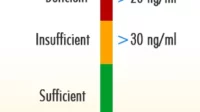
Results often arrive electronically. The number might be accompanied by reference ranges, which may vary by lab methodology. Reference ranges are not one-size-fits-all, and interpretation can depend on symptoms, body composition, risk factors, and comorbidities.
If your level is low, don’t panic. Vitamin D deficiency is common. A low value can guide supplementation decisions and follow-up testing. If your level is high, that’s also actionable information; excessive supplementation can occur, and trends matter.
Consider asking for a follow-up plan—even if you’re not using a doctor to order the initial test. Some direct-access pathways include result interpretation notes. If not, keep your lab report and consider consulting a clinician for treatment decisions, especially if levels are extremely low or high.
Plan your follow-up: retest timing and trend tracking
Vitamin D changes aren’t instantaneous. Many clinicians recommend retesting after a period of consistent supplementation or lifestyle adjustment. The exact timeline depends on how low the initial value is, whether high-dose therapy is used, and your individual risk profile.
A single result is a snapshot. Two results are a storyline. When you retest, document your supplement dose, any sunlight-related changes, and adherence. Trends can be more illuminating than one isolated number.
When to be extra cautious: red flags that should trigger clinical input
Direct access is useful, but it shouldn’t replace medical judgment when warning signs appear. If you have severe symptoms, kidney disease, malabsorption concerns, history of fractures, or conditions that complicate vitamin D metabolism, it’s wise to involve a clinician sooner rather than later. If levels are profoundly abnormal, interpretation often benefits from additional labs or a tailored plan.
In other words: direct access gets you the data. Clinical care helps you convert data into a safe, effective strategy.
Turn the process into a sustainable habit
Once you experience the flow—ordering, booking, drawing, receiving results—you may find it easier than the traditional route. The real win is empowerment. You learn your baseline, adjust your behavior, and measure how your choices echo through your physiology.
So yes, it’s possible to get a vitamin D blood test without a doctor. The only real obstacle is assuming “direct access” means “no rules.” Instead, treat it like a well-designed system: choose the right test, select a reliable channel, follow instructions, and interpret results with a steady mind. Then the playful question becomes a practical routine.