
Rainy seasons have a way of changing the atmosphere long before the first drop hits the pavement. The days feel heavier. The colors look muted. Conversations slow down. And for many people, mood doesn’t just “take a dip”—it tilts. This isn’t merely a seasonal inconvenience; it’s a biological story unfolding in real time. One of the most important supporting characters in that narrative is vitamin D, a nutrient closely entwined with light exposure, circadian rhythm, and the brain’s chemistry. When clouds linger for weeks, the chain reaction can become harder to reverse.
Rainy Days and the Brain’s Light-Linked Chemistry
Light is not simply something you “see.” It’s a regulatory signal that reaches deep into the nervous system. On bright days, daylight helps anchor circadian timing—your internal clock that governs sleep-wake cycles, alertness, and the readiness of neurotransmitter systems. During prolonged rainy stretches, reduced sunlight can blur that timing. The result can feel like fog in the mind: motivation thins, irritability rises, and emotional resilience becomes harder to access.
Even when you’re getting enough food and hydration, lower daylight can influence signaling molecules involved in mood regulation. Some people notice it as a gradual emotional dimming; others experience it as sharp swings—sudden sadness after a dull commute, or a low-grade apathy that persists through the week.
The tricky part is that these shifts often feel personal rather than physiological. But mood is downstream of biology. And when daylight dwindles, the brain may respond with a lowered “brightness index,” internally speaking.
Vitamin D: The Nutrient That Follows the Sun
Vitamin D is often described as a “sun vitamin” because your skin manufactures it when exposed to ultraviolet B (UVB) radiation. In rainy seasons, you may get fewer opportunities for that exposure—especially if you also stay indoors more, use umbrellas, or live in regions where cloud cover is persistent. Less sunlight doesn’t always mean you feel instantly different, but over time, vitamin D status can drift downward.
Vitamin D isn’t limited to bone health. It participates in immune regulation, inflammation modulation, and neurotransmission pathways. When levels are suboptimal, the brain may become more vulnerable to stress signals. This vulnerability can manifest as low energy, diminished pleasure, and an “under-slept” feeling even when sleep duration seems adequate.
Think of vitamin D as a conductor. Even if your orchestra—sleep, diet, routine—is competent, a conductor out of sync can make the performance sound off-tempo.
Seasonal Affective Disorder vs. Everyday Dampness
Not every mood decline in rainy weather is seasonal affective disorder (SAD). There’s a spectrum. Some individuals experience a distinct seasonal pattern: symptoms reliably worsen during colder, darker months, then lift with spring. Others experience a more diffuse decline—tiredness, crankiness, and reduced drive that comes and goes depending on workload, stress, and sleep quality.
Rainy seasons can intensify both situations by combining low light with lifestyle changes. You might walk less, take fewer breaks outdoors, exercise indoors, and socialize less. Each of these behaviors affects energy and mood. Meanwhile, the physiology is still waiting for light cues that don’t arrive as often.
Understanding where you fit on that spectrum helps determine what kind of interventions will feel most effective—whether lifestyle adjustments alone suffice or whether clinical support and targeted therapies are warranted.
How Reduced Light Can Disrupt Sleep and Emotional Stability
Sleep is the bridge between mood and mental clarity. When daylight is scarce, melatonin timing and sleep architecture can become misaligned. Some people fall asleep easily but wake up repeatedly. Others sleep longer yet still feel unrefreshed. This mismatch is more than discomfort; it can erode emotional regulation.
Short-term sleep disruption heightens stress reactivity. You might interpret neutral events as criticism, or experience quicker fatigue during social exchanges. Over several weeks, that pattern can create a feedback loop: you feel worse, which reduces outdoor movement and activity, which further dampens mood.
Vitamin D may indirectly influence this loop by affecting pathways linked to mood, inflammation, and nervous system function. When light-based signals weaken, optimizing vitamin status can help stabilize the terrain the brain navigates.
Inflammation, Immune Signals, and Mood “Noise”
There’s an increasingly recognized connection between inflammation and mood. During dreary seasons, people often catch more colds, experience more sedentary time, and face chronic low-grade stress. Inflammation—whether from illness, stress, or lifestyle—can raise background “noise” in the nervous system. That noise can show up as irritability, brain fog, and a lower threshold for sadness.
Vitamin D plays a role in immune regulation. When levels are sufficient, the body may better balance inflammatory responses. It’s not a magic shield against stress, but it can help reduce biological volatility—making emotions feel less like unpredictable weather.
In other words, mood may not only depend on how you think; it also depends on what your body is doing quietly behind the scenes.
Indoor Life: The Hidden Mood Multiplier
Rain changes behavior. You stay inside. You commute by car. You scroll longer. You skip outdoor errands. Even when you’re not consciously trying to avoid the weather, the environment recruits you into a less activating routine.
That routine can be nutritionally uneven and physically limited. A low activity day lowers endorphin signaling. Less movement can reduce sleep quality. Less social contact can increase rumination. The mood impact can feel disproportionate because the brain is gathering fewer “upshift cues” from the world.
Vitamin D becomes relevant here because sunlight exposure is one of the easiest natural tools to support mood. When outdoor time decreases, supplementation or dietary emphasis may fill some of the gap—ideally with professional guidance.
What Readers Can Expect: Types of Practical Content
In a well-rounded rainy-season mood guide, readers usually encounter several content formats, each serving a different purpose. Short explanations can clarify mechanisms—why clouds matter, how vitamin D interacts with brain function, and why sleep disruption can follow. Longer narrative sections often help readers connect their lived experience to science without feeling reduced to a diagnosis.
Many readers also benefit from “checklist” style content. For example, articles may include quick daily actions: timed morning light exposure when possible, hydration reminders, gentle movement strategies on wet days, and routine tweaks that reduce cognitive drain.
Expect some educational nutrition sections, too—how vitamin D is found in foods, why absorption depends on fat intake, and how to interpret lab results thoughtfully. Some pieces include self-assessment cues: symptom patterns to monitor, journaling prompts for tracking energy and mood swings, and suggestions for discussing concerns with healthcare professionals.
Finally, readers often appreciate deeper dives that address uncertainty—what to do if symptoms persist, how to differentiate mild seasonal low mood from more intense depressive symptoms, and when it’s important to seek support.
Image-Supported Takeaways for Faster Understanding
Visuals can make complex mood science easier to hold onto. A graphic showing seasonal light decline can help readers understand timing. Photos of cloudy mornings can validate that reduced brightness is not an “imagined” factor. Another common visual is a food-based depiction of vitamin D sources, reinforcing the idea that sunlight isn’t the only route.
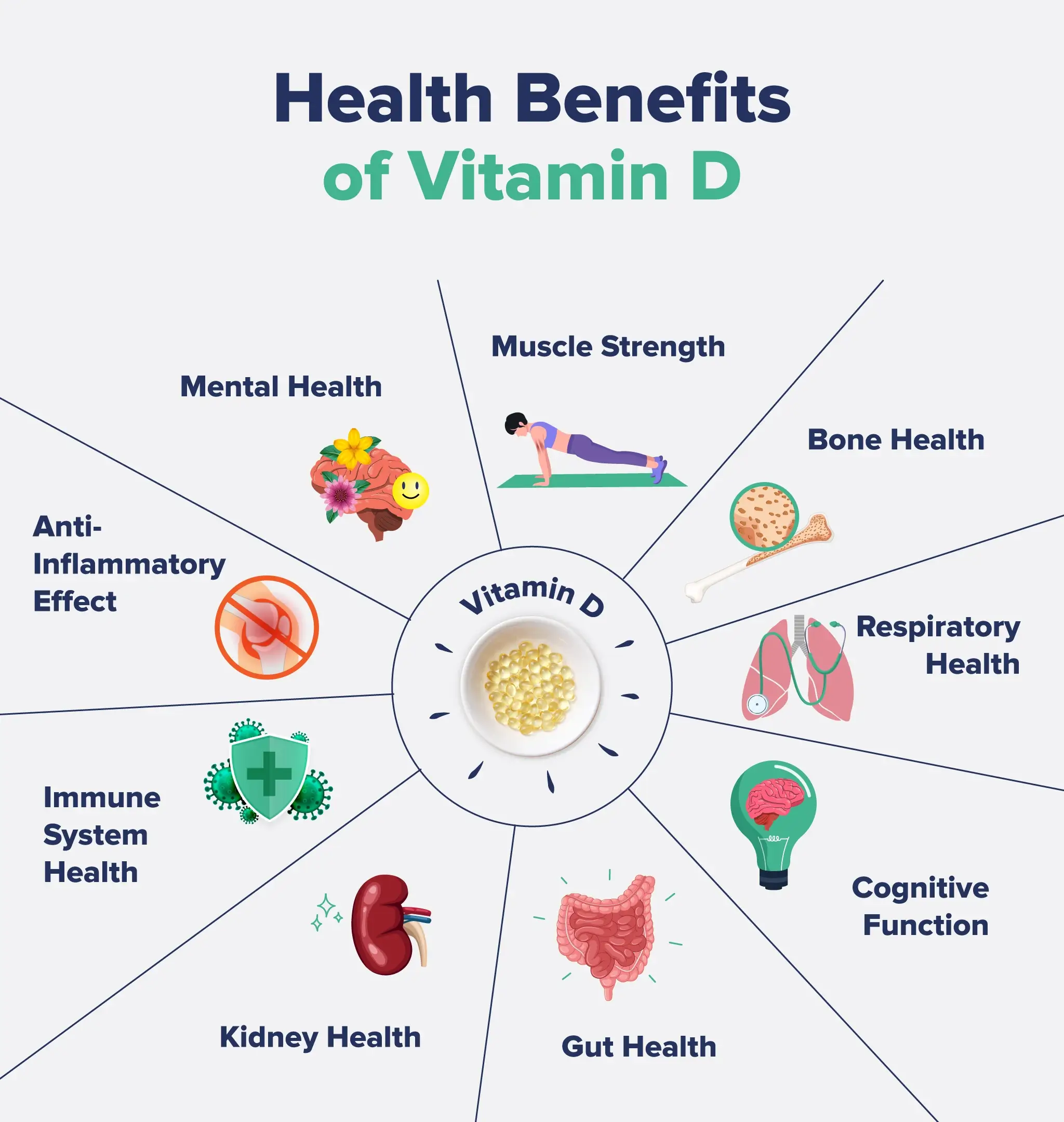
When imagery is paired with concrete steps, readers are more likely to convert knowledge into behavior—turning a difficult season into a manageable one.
Boosting Mood in Rain: A Cohesive Strategy
A rainy-season mood plan works best when it’s layered. Start with light: if safe and feasible, aim for regular outdoor brightness—even brief windows matter. If sunlight is reliably limited, consider evidence-based indoor light strategies such as medical-grade light therapy under guidance. Then strengthen the foundation: consistent sleep timing, movement breaks during the day, and social contact that prevents emotional isolation.
Next, address vitamin D thoughtfully. Some people need dietary optimization; others may require supplementation, especially if blood tests indicate deficiency or insufficiency. Food can contribute, and supplementation can help bridge gaps, but individual needs vary.
Finally, reduce mood friction. Create routines that prevent long stretches of inactivity. Try warm, comforting meals, consistent hydration, and small goals that restore agency. The goal isn’t to force cheerfulness. It’s to rebuild inner steadiness so your mood stops feeling entirely at the mercy of weather.
Spring’s Return: Why Improvement Can Feel Sudden
When light finally returns, mood often follows in stages. Sleep may stabilize first. Energy can come next. Then emotions loosen their grip. Vitamin D levels may gradually improve as sunlight exposure increases, and the circadian system can re-align with the new day length.
That “sudden relief” can teach an important lesson: the body responds to environmental cues. Rainy seasons may not be the moment you “fail,” but the season you need better support—biological and practical—to stay balanced.
With the right adjustments, the forecast doesn’t have to dictate your inner climate. The clouds may still roll in, but your mood doesn’t have to be left in the dark.