There’s a certain moment in many wellness conversations when someone says, almost casually, “I’m taking 5,000 IU of vitamin D.” It sounds scientific, like a dial you can simply turn for better health. Yet the truth is more nuanced. Vitamin D is both a hormone precursor and a dietary protagonist—crucial for calcium absorption, immune regulation, and musculoskeletal vitality. Still, the number “5,000 IU” can be either a practical compass or a jubilant overreach, depending on physiology, geography, and lifestyle. In other words: sometimes it’s necessary, and sometimes it’s overkill dressed up as prudence.
Vitamin D’s Hidden Role: More Than “Bone Support”
Vitamin D is often reduced to a single job—keeping bones strong. But that’s the brochure version. In the body, vitamin D behaves like a backstage conductor. It influences gene expression through the vitamin D receptor, which is present in many tissues. This is why deficiency can echo across systems: fatigue that feels inexplicable, muscle weakness that seems minor until it worsens, and an immune landscape that appears less resilient.
When vitamin D is low, the body compensates. Calcium absorption declines, parathyroid hormone may rise, and the skeleton becomes a bank account that’s quietly being overdrawn. Short sentences can capture the vibe: the “simple deficiency” is rarely simple. Long sentences follow naturally: the effect ripples into neuromuscular coordination, inflammatory modulation, and possibly mood-related circuitry through indirect pathways.

What “IU” Really Means—and Why 5,000 IU Feels Like a Threshold
International Units (IU) measure biologically active potency. For vitamin D3, 5,000 IU sits above many standard daily recommendations and even above common maintenance doses. That’s why it grabs attention. Numbers like 1,000 or 2,000 IU often sound like steady background music. Five thousand IU sounds like a focused training regimen.
However, the human body doesn’t read IU labels the way people read marketing copy. Absorption varies. Baseline vitamin D status varies dramatically. Body mass index, skin pigmentation, age, seasonality, and even latitude can change the same dose from “targeted correction” to “unnecessary surplus.”
That’s the deeper reason fascination forms around 5,000 IU: it occupies the space between “low and safe” and “high and potentially risky.” People want a clear lever, and vitamin D seems to offer one. But biology prefers context.
When 5,000 IU Might Be Necessary: The Case for Correction
For some people, 5,000 IU isn’t a bold experiment—it’s a practical correction strategy. The most compelling indicator is lab evidence: a low 25-hydroxyvitamin D level (often written as 25(OH)D). If levels are deficient, higher daily dosing may be used to replenish stores, especially when sun exposure is limited.
Certain circumstances make a higher dose more rational:
Little sunlight exposure: indoor work, winter climates, or heavy use of sunscreen can reduce skin synthesis.
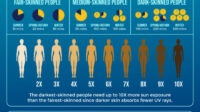
Dark skin pigmentation: more melanin can reduce vitamin D production from UVB light.
Higher body fat: vitamin D can become sequestered in adipose tissue, meaning less circulates for use.
Limited dietary intake: few foods naturally contain meaningful vitamin D, and fortified foods vary widely.
Malabsorption conditions: conditions affecting fat digestion or absorption can make supplementation essential, sometimes at higher levels.
Even then, “necessary” depends on the monitoring plan. A thoughtful approach includes retesting after a period of dosing and adjusting afterward. Short sentences matter here: dosing is not a one-time decision. It’s a feedback loop.
When 5,000 IU Becomes Overkill: The Hidden Comfort of Unexamined Assumptions
Overkill typically starts when vitamin D intake is treated like universal wellness décor—added without confirming baseline status. If someone’s 25(OH)D level is already adequate, 5,000 IU may overshoot, especially over months. The body can store vitamin D, but excess can eventually contribute to elevated calcium levels.
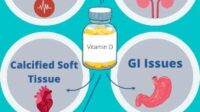
Signs that “more” might be counterproductive include constipation, excessive thirst, frequent urination, nausea, and unusual weakness. These aren’t specific to vitamin D, which is part of the problem—high intake can mimic other conditions, creating a fog of ambiguity.
Overkill also happens when people combine multiple sources: high-dose vitamin D supplements, fortified multivitamins, and calcium products that may include vitamin D. The dose becomes a layered stack, and the total isn’t always obvious.
Here’s the uncommon twist: fascination with 5,000 IU can stem from the human desire for certainty. A high number feels like “doing something,” but vitamin D isn’t a one-way staircase. It’s closer to tuning an instrument—too little sounds flat, too much becomes sharp.
The Safety Boundary: Upper Limits, Risk, and Why Monitoring Matters
Safety isn’t about fear; it’s about precision. Vitamin D toxicity is uncommon, but it’s real, and it usually involves sustained excessive intake paired with individual vulnerability. The primary biochemical risk is hypercalcemia—calcium rising too high because vitamin D increases intestinal absorption and affects calcium handling.
Upper intake thresholds vary by guideline, age, and clinical circumstances. A prudent strategy includes:
Testing before dose escalation: at least once, ideally guided by a clinician.
Rechecking after a course: retest 25(OH)D and, when appropriate, calcium.
Adjusting to maintenance: higher dosing often functions as “loading,” followed by a lower daily dose to sustain levels.
Short sentence, long consequence: without monitoring, “safe” becomes a guess.
5,000 IU vs. Sunlight vs. Food: The Triad You Can’t Ignore
Sunlight is the original vitamin D catalyst. Yet it’s inconsistent. Cloud cover, season, time of day, skin exposure, and geography all affect UVB intensity. That’s why people end up gravitating toward supplement routines. They want a predictable input.
Food helps, but it’s rarely sufficient on its own. Fatty fish, egg yolks, and fortified products contribute. Still, most diets don’t reliably deliver enough vitamin D to correct deficiency. This is where 5,000 IU becomes appealing: it can close the gap created by a modern lifestyle that favors indoor living.
Yet the triad is dynamic. If someone increases outdoor time, the same supplement dose may become excessive. If diet improves and sunscreen use is balanced, needs may shift. Biology updates its spreadsheet; you should too.

Who Benefits Most: Profiles That Tend to Need Higher Doses
While individuals differ, certain profiles frequently have lower vitamin D status:
Older adults: skin synthesis declines with age, and dietary patterns may change.
People with darker skin: again, reduced UVB synthesis is a key factor.
Those with limited mobility or indoor routines: reduced sun exposure becomes a chronic condition.
Individuals with obesity: vitamin D distribution in adipose tissue can blunt circulating availability.
People with digestive or absorption issues: malabsorption can turn low intake into even lower effective intake.
For these groups, higher doses can be a rational bridge—provided the bridge leads somewhere. It shouldn’t be a permanent highway without exits.
Practical Guidance: How to Decide Whether 5,000 IU Fits
Start with a question: what are your current vitamin D levels? A lab measurement of 25(OH)D provides the most direct snapshot. If you’re deficient, a clinician may recommend a higher daily dose like 5,000 IU for a limited timeframe, then transition to maintenance.
If you’re not deficient, consider a lower dose or a more individualized plan. Also think about total intake from all supplements. Keep it simple enough to be honest—stacking multiple products is a common pathway to accidental overconsumption.
Finally, pair supplementation with lifestyle variables you can actually influence: modest sun exposure when appropriate, vitamin D–containing foods, and consistent follow-up testing.
The Fascination, Explained: Vitamin D as a Modern Symbol of Control
Why does 5,000 IU keep appearing in conversations like a recurring motif? Because vitamin D sits at the intersection of science and everyday life. It’s tangible—measured in numbers—and it’s linked to outcomes people can feel: strength, energy, and resilience. In uncertain times, supplementation can feel like steering.
But the real mastery is not taking more. The real mastery is matching dose to reality. When vitamin D is necessary, 5,000 IU can be a helpful corrective. When it’s already sufficient, it becomes an overconfident gesture. The most effective approach is neither timid nor maximalist—it’s measured, monitored, and adapted.
If you’re considering a dose change, consider lab testing and a plan for reassessment. That’s where vitamin D stops being a fascination and becomes a reliable instrument in your health routine.