It can feel confusing when a supplement marketed as “supporting mood” seems to do the opposite. One person swears their days feel steadier after vitamin D, while another notices a subtle downturn—irritability, restlessness, heaviness, or even an emotional flatness that wasn’t there before. What’s happening in the gap between expectation and experience? The answer isn’t usually a single villain. It’s often a constellation of physiology, dosage dynamics, timing, and individual biology—turning a familiar nutrient into a personal mood variable.
First, the mind expects comfort—but the body prefers calibration
When someone takes vitamin D for the first time (or increases their dose), their brain doesn’t instantly “unlock” a better emotional state. Mood biology is not a dimmer switch; it’s more like a complex control room. Vitamin D acts through receptors that influence immune signaling, neurochemical pathways, and gene expression. That influence may be gradual, nuanced, and sometimes delayed.
So a mood reaction that appears soon after taking vitamin D can reflect the body adjusting—an orchestral rehearsal rather than a finished performance. Some people interpret the initial phase as worsening because they feel changes quickly, even if those changes are transient. The key shift in perspective: “worse” doesn’t always mean “wrong.” It may mean the system is learning the new input.
Too much too fast: the dose-to-response mismatch
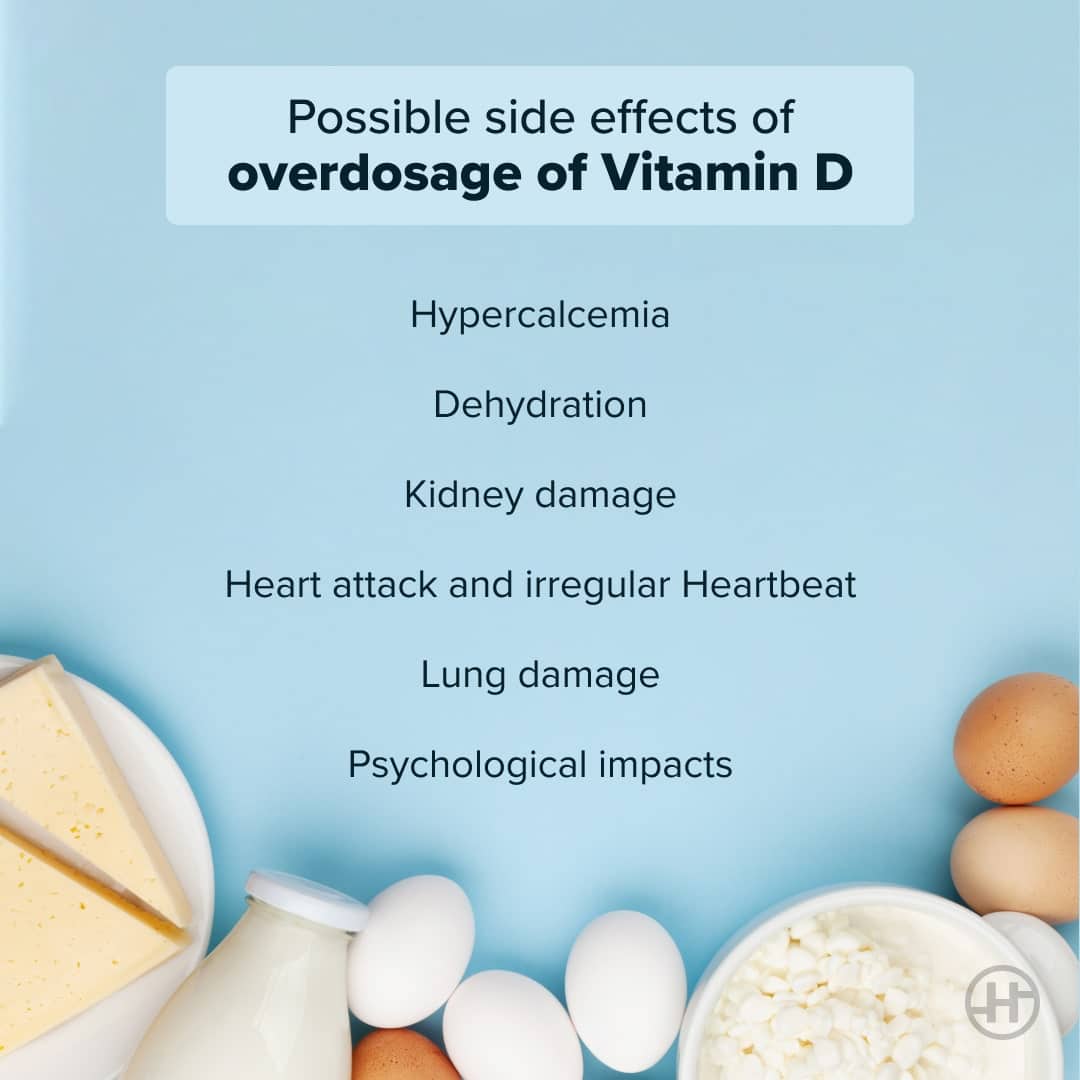
Many people take vitamin D with the optimistic assumption that “more” equals “better.” But vitamin D behaves differently from quick-fix supplements. Its metabolites can accumulate, and high levels may contribute to calcium imbalance or downstream signaling effects that can influence how a person feels.
In some individuals, especially when baseline vitamin D is already adequate, additional dosing can act like over-tuning. The emotional signature can be varied: anxious agitation, irritability, insomnia-like energy, or a sense of nervous anticipation. These aren’t universal symptoms, and they aren’t imaginary—but they do suggest the body’s regulatory mechanisms are working overtime to re-establish equilibrium.
Curiosity helps here. Instead of treating the reaction as a verdict, it becomes a data point: Could the dose be exceeding the current needs? Could the timing be compressing adjustment into a stressful window?
Sunlight, seasons, and the “context effect”
Vitamin D is often associated with sunlight, and our mood is already strongly modulated by seasonal cues. If someone starts vitamin D during a period of reduced natural light, expectations may be high—and reality may be complicated. Their mood could fluctuate due to circadian rhythm changes, weather patterns, or sleep architecture, and the supplement becomes entangled in that pattern.
Sometimes people feel worse after taking vitamin D because the timing overlaps with a natural trough. Other times, vitamin D may indeed be affecting neuroimmune pathways, and those pathways may respond differently across seasons. The context effect is subtle: the same intervention can feel stabilizing in one season and destabilizing in another.
That’s why tracking matters—short-term notes, sleep changes, and emotional patterns can reveal whether the reaction follows the supplement consistently or merely coincides with life’s background rhythms.
The form of vitamin D may matter more than you think
Not all vitamin D is identical in how it travels through the body. Vitamin D can come in different forms and delivery systems, including oil-based capsules, liquid drops, or formulations with cofactors. Absorption varies, and so does how quickly levels may rise.
If one formulation produces a faster spike, the mood could react earlier—like a radio station that blares before the tuning settles. Conversely, a slower, steadier absorption may feel smoother and more emotionally tolerable.
Consider how “delivery speed” can change experience. The nutrient isn’t just content; it’s also kinetics. Even people taking the “same amount” may be receiving different real-world exposure.
Calcium signaling, hydration, and downstream nervous system effects
Vitamin D supports calcium handling, and calcium is more than bone biology. It plays a role in nerve transmission and muscle activity. When vitamin D shifts calcium dynamics, some people may notice changes that feel emotional—like twitchiness, tension, or a heightened sensory alertness.
Hydration, electrolyte balance, and magnesium status can influence how these changes are perceived. In other words, vitamin D doesn’t operate in a vacuum. It interacts with the body’s broader electrochemical landscape. A person who is low in magnesium, for instance, may find that adding vitamin D feels uncomfortable rather than soothing.
This isn’t about blame. It’s about systems thinking: mood is often a downstream echo of physiological balance.
Immune-inflammatory pathways and “emotional weather”
Vitamin D has immunomodulatory effects, and the immune system can influence mood through inflammation-related signaling. In many people, reducing inflammatory noise can support emotional steadiness. But in others, immune modulation can temporarily shift cytokine patterns before leveling out.
Imagine mood as weather. Sometimes the forecast changes before the sun returns. A short-term downturn after starting vitamin D may reflect an immune “recalibration,” especially in individuals sensitive to inflammatory shifts.
Curiosity is useful: asking whether other inflammatory symptoms changed too—fatigue, aches, sleep quality, or skin sensitivity—can help interpret the emotional reaction as part of a broader pattern.
Baseline deficiency isn’t the whole story—there’s also receptor sensitivity and genetics
Two people can have the same lab numbers and different lived experiences. Genetic differences in vitamin D receptors, variations in binding proteins, and differences in metabolism can alter how vitamin D signaling feels inside the brain and nervous system.
Some people may have a more “responsive” signaling pathway. For them, vitamin D might produce rapid, noticeable effects—good or challenging. Others may need slower, sustained support before mood stabilizes.
So the question becomes: Is the reaction a sign of intolerance, or is it a sign of strong sensitivity? That distinction matters when adjusting dose and timing.
Interactions: what you take alongside vitamin D can shift the mood outcome
Supplements and medications can interact in ways that aren’t obvious. The emotional result might come not from vitamin D alone but from a compound effect—especially if other nutrients or drugs affect metabolism, calcium balance, or sleep.
Common co-factors include magnesium, vitamin K2, omega-3 status, and overall diet quality. If vitamin D is introduced into a nutrient-poor environment, the body may not have the support it needs to manage calcium and signaling smoothly.
Even coffee timing, alcohol use, and sleep habits can influence how a person perceives subtle physiologic changes. Mood is rarely single-cause.
Timing and the “night vs. day” question
Some individuals feel calmer with morning dosing. Others notice that taking vitamin D later in the day disrupts sleep, and poor sleep naturally drags mood downward the next day. Sleep is a mediator: it translates biology into felt emotion.
If a person takes vitamin D and notices early waking, trouble falling asleep, or a wired-but-tired sensation, timing could be the lever. Shifting the dose earlier, pairing it with a meal, or spacing it differently can sometimes turn a rough experience into a neutral one.
In practice, it’s less about superstition and more about circadian harmony.
A narrative reassessment: “Worse” may be information, not failure
When mood changes feel alarming, it’s natural to interpret the supplement as harmful. Yet a more useful narrative is: the body is responding, and that response is telling a story. Sometimes the story is dose-related. Sometimes it’s form-related. Sometimes it’s context-related—sleep, season, diet, and immune signaling can all color the outcome.
What helps most is a calm, methodical approach: track symptoms, consider baseline status, review dosing and formulation, and adjust timing. The goal isn’t stubborn persistence or hasty avoidance. The goal is alignment—finding the dose and strategy that the body can metabolize without emotional collateral damage.


When to treat the reaction as a stop signal
Most mood shifts after supplements are mild and temporary, but there are moments when caution is warranted. If the reaction includes severe anxiety, persistent insomnia, intense irritability, or symptoms that suggest metabolic disturbance—especially if calcium-related issues are suspected—pause and seek professional guidance. Safety always outranks curiosity.
That said, a single “bad mood day” doesn’t automatically condemn vitamin D. A pattern matters: repeated worsening after dosing, consistent timing, and linked physiological changes provide clearer signals than isolated feelings.
Promise of a shift in perspective: patience can be the missing ingredient
There’s a quietly hopeful angle here. Many people who start by feeling off eventually find a workable rhythm—sometimes with a lower dose, different timing, or a more supportive nutrition plan. Their experience becomes a reminder that biological systems often require iterative tuning.
The promise is not that vitamin D will instantly fix mood. The promise is that reactions can be decoded. Mood reactions, once studied rather than feared, can guide better decisions—until the supplement becomes a supporting actor instead of a chaotic variable.