There’s a particular kind of fatigue that arrives for shift workers—one that feels less like sleepiness and more like a misalignment of the body’s internal clock. You clock out, you close your eyes, and yet rest refuses to land with its usual weight. In that gap—between exhaustion and true recovery—vitamin D often enters the conversation. It sounds almost too simple at first: a vitamin, a hormone-like regulator, a supplement or a sunny habit. But the fascination is not merely about “more vitamin D.” It’s about the possibility of resetting sleep rhythm when life keeps nudging it off-course.
Why Shift Work Turns Sleep into a Puzzle
Shift work is not just a schedule change; it is a chronic circadian perturbation. Your brain expects darkness and daylight in predictable sequences. Instead, it receives fluorescent illumination at midnight and morning light at the end of a shift. That repeated contradiction can create social jet lag—a mismatch between your biological time and your working time.
What makes the puzzle more stubborn is that sleep isn’t only “time spent lying down.” Sleep quality depends on sleep architecture, melatonin signaling, temperature regulation, and the brain’s ability to transition between light sleep and deeper restorative stages. When those transitions become inconsistent, people often describe sleep that looks adequate on paper but feels thin—less refreshing, more fragmented.
And here’s where vitamin D enters the plot twist. The body treats vitamin D not only as nutrient storage material, but as a participant in neuroendocrine choreography. That means its influence may reach beyond bones and into sleep-regulatory pathways.
Vitamin D: More Than a Sunshine Token
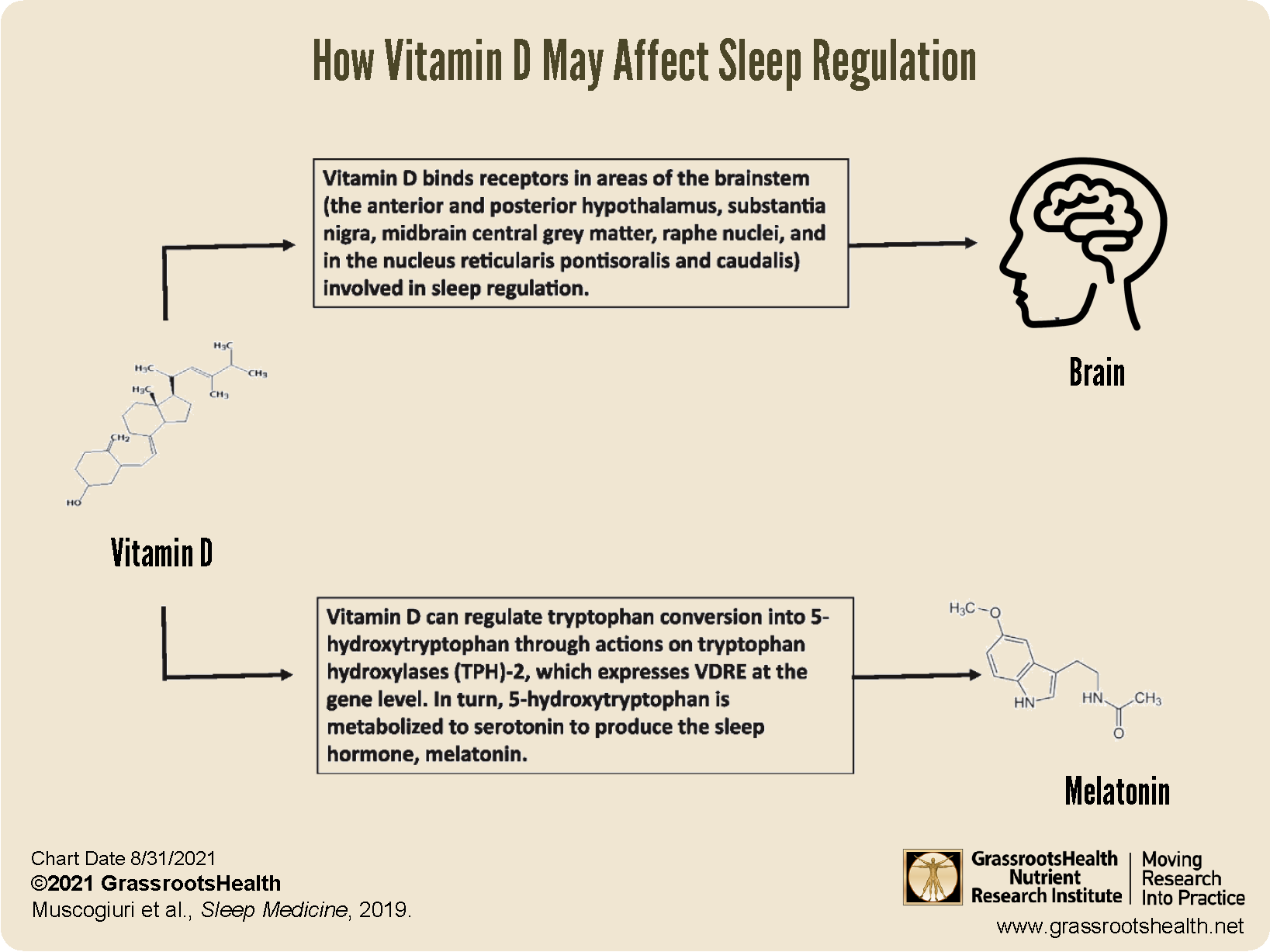
Vitamin D is often introduced as “the sunshine vitamin,” yet its role is more like a conductor than a side character. Once produced in skin or obtained from diet, it becomes biologically active through liver and kidney processing. The active form can bind to receptors distributed in many tissues—including parts of the brain involved in circadian regulation and immune signaling.
This is relevant for shift workers because sleep is rarely a standalone event. It sits at the intersection of inflammation, stress physiology, and metabolic control. If vitamin D status is suboptimal, those systems may drift into a quieter form of dysregulation—one that doesn’t always announce itself until nights keep stacking up.
Vitamin D also interacts with the rhythms that govern body temperature and neurotransmitter production. Those are the invisible rails on which sleep rides.
The Common Observation: “I Sleep, But I Don’t Reboot”
Many shift workers report a paradox. They are tired, they lie down, they close their eyes—yet morning arrives like an interruption rather than a conclusion. Sleep may be shorter than expected, or it may come in unsteady segments. Some people wake more often; others experience early awakening, even after a full “time in bed.”
This pattern is often attributed to stress or lifestyle. Those factors are real. But there’s an additional nuance: sleep depends on a biological narrative. Melatonin should rise in response to darkness; alertness should decline when night becomes night. When vitamin D status is low, it’s possible that signaling ecosystems related to sleep timing and stability become less responsive.
In other words, the issue may not be simply “insomnia.” It may be reduced robustness—less buffering against circadian stress. That subtle weakening can make the sleep cycle feel like it’s running on a faulty metronome.
How Vitamin D Might Support Sleep Timing and Depth
Sleep is governed by a feedback network. Melatonin is only one element. Vitamin D is thought to influence the expression of genes connected to circadian regulation and neurotransmitter function. It can also modulate inflammation, and inflammation is known to interfere with restorative sleep.
Shift workers often experience low-grade physiological wear—changes in immune balance, oxidative stress, and stress hormone patterns. When those systems are tugged repeatedly, sleep can become a less efficient repair process. Vitamin D may help by contributing to immune steadiness and neurochemical stability.
Another plausible pathway involves the way vitamin D affects cellular function and hormonal signaling. That matters because sleep depth—especially the proportion of slow-wave sleep—depends on how well the body can transition into a calmer state. If the transition is less smooth, sleep becomes “lighter” even if it lasts long enough to satisfy the clock.
Night Shift, Daylight Myopia, and the Vitamin D Trap
Night shift work can quietly erode vitamin D reserves. While daylight exposure is commonly associated with health, night workers may spend mornings indoors. Even when they “sleep during the day,” it’s often in environments designed to block light—dark rooms, blinds, and blackout curtains. Those steps are helpful for sleep, but they may limit vitamin D production.
Dietary vitamin D can help, but many routines don’t include reliable sources. The result is a paradox: people do everything right for sleep hygiene, yet their vitamin D status may still lag.
This is not a condemnation of any strategy. It’s a reminder that shift work requires parallel thinking. You can protect your bedroom darkness and still build a daylight-compatible approach for vitamin D—through planned light exposure, fortified foods, or supplementation guided by testing.

Resetting the Sleep Cycle: A Practical Framework
Vitamin D is not a sleep switch. It’s more like a tuning knob. The sleep cycle reset works best when vitamin D support is paired with circadian architecture.
1) Anchor wake time. Even on off days, keep wake time relatively consistent. Small variability is easier for your internal clock to tolerate.
2) Treat light like a medication. During the early part of your waking period, use bright light exposure if feasible. Later in your shift, reduce high-intensity light—especially blue-rich light—to encourage melatonin readiness.
3) Protect the sleep window. Blackout curtains and eye masks can remain essential. Consider room temperature too; cooler rooms often support deeper sleep.
4) Support with vitamin D. The safest route is testing, then using a dose appropriate to your levels and health profile. Supplementation without measurement is like driving without a dashboard—sometimes it works, but the blind spots can be costly.
Think of it as synchronization: vitamin D supports background physiological readiness, while light timing and sleep hygiene supply the main rhythm track.
Supplementation and Testing: Avoiding Guesswork
Because vitamin D deficiency and insufficiency are common, many shift workers consider supplementation. Yet the most effective strategy is often testing: check baseline levels, then choose an evidence-informed dose. Over-supplementation is not a “more is better” scenario; it can bring its own complications.
It’s also worth considering absorption factors. Body weight, dietary fat intake, certain medical conditions, and medication interactions can influence vitamin D status. A clinician-guided plan helps ensure the goal is correction, not experimentation.
After supplementation begins, follow-up testing can confirm whether your status is moving in the right direction. That feedback loop reduces uncertainty and increases trust in the approach.
The Deeper Fascination: Why This Connection Feels Personal
Vitamin D for shift workers is compelling because it resonates with lived experience. People don’t just want to “sleep.” They want their body to feel like it’s on speaking terms with itself again. When sleep starts to feel restorative—when waking becomes easier, when fatigue becomes proportional rather than overwhelming—there’s a natural curiosity about what changed underneath.
The deeper fascination is that vitamin D sits at a crossroads: daylight, immune balance, brain signaling, and circadian resilience. Shift work attacks that crossroads repeatedly. So addressing vitamin D can feel like reintroducing one missing piece of a larger puzzle.
And perhaps that’s the most encouraging angle: the sleep reset doesn’t require a miracle. It requires alignment, patience, and small, deliberate adjustments—supported by nutrients that help the body respond to timing cues.
Closing Note: A Night Shift Strategy You Can Sustain
If you’re a shift worker, your challenge is not merely to get sleep—it’s to get the right kind of sleep, at the right biological moment. Vitamin D may not replace light management, consistent schedules, or stress reduction. But it can strengthen the physiological backdrop that allows your sleep cycle to stabilize.
When the days finally start to feel less chaotic, you won’t just notice fewer hours lost. You may feel a different kind of recovery—one that suggests your internal clock isn’t only surviving your schedule. It’s learning to adapt.