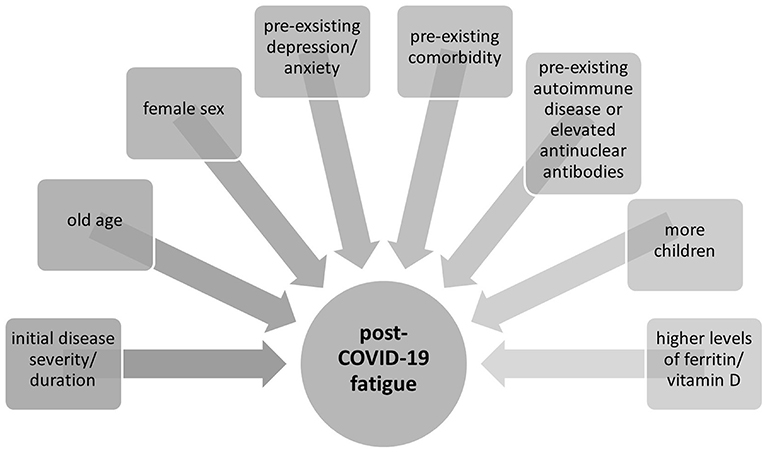
Some recoveries from COVID feel like a door that finally swings open—yet the house inside is unfamiliar. Days that should feel ordinary come with a peculiar heaviness: a low-grade exhaustion, a fog that makes words drift like paper boats on restless water, and a mind that seems to lag behind the body. In this long corridor of recovery, vitamin D often appears as more than a nutrient. It is a quietly working signal—like a lighthouse beam in murky weather—guiding immune regulation, neuronal resilience, and the subtle choreography of inflammation. For many people grappling with post-COVID fatigue and brain fog, exploring vitamin D is a way to look for one solvable thread in a complicated tapestry.
When the Body Feels Lagged: Understanding Post-COVID Fatigue and Brain Fog
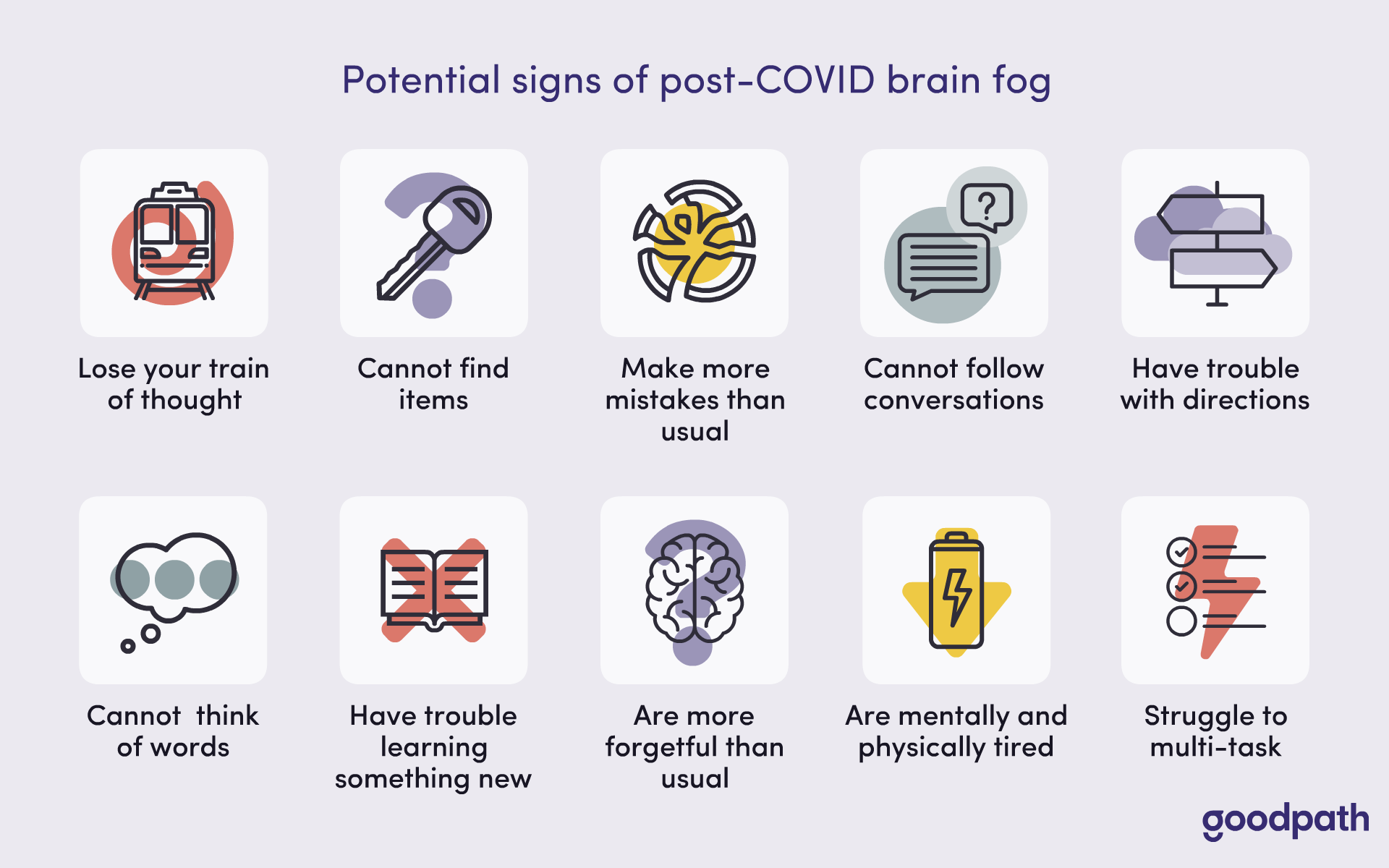
Post-COVID fatigue is rarely the clean, single-note fatigue of a late night or a missed meal. It tends to be capricious—arriving with the precision of a visitor who knocks, leaves, and returns unexpectedly. Brain fog can be similarly elusive: concentration narrows, short-term memory becomes unreliable, and decision-making feels like walking through wet sand.
Under the hood, several processes may overlap. Persistent immune activation can keep the system in a heightened state, even when the initial infection has passed. Microvascular changes and lingering inflammatory signaling may affect how oxygen and nutrients move through tissues. Meanwhile, the nervous system—sensitive and interpretive—may respond by slowing down cognitive throughput. It is not that intelligence disappears; rather, the “processing speed” seems muted, as though a dimmer switch was turned on somewhere behind the thoughts.
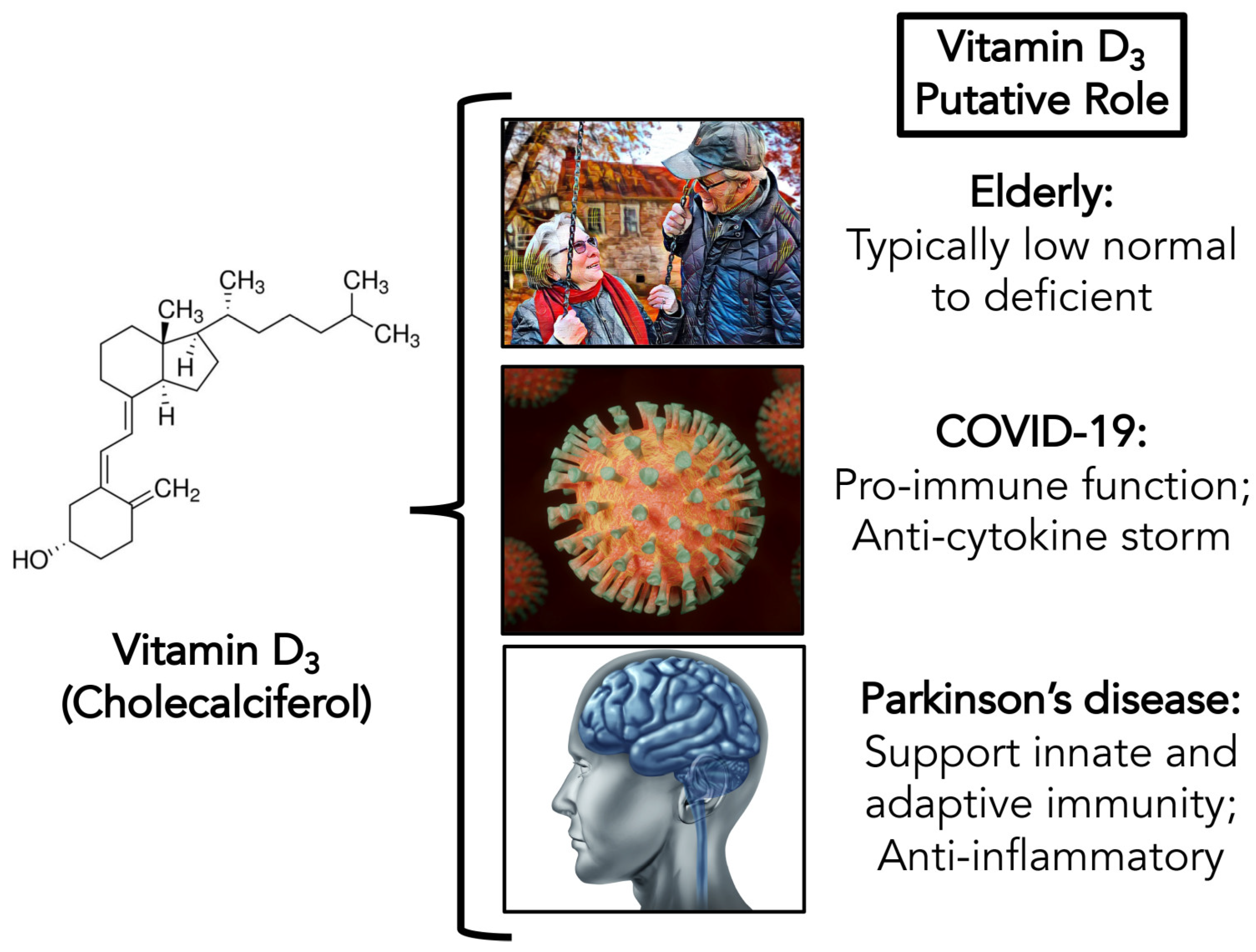
In this context, vitamin D becomes intriguing because it influences both immune behavior and neurological pathways. It acts like a regulatory metronome, helping the body coordinate its responses instead of oscillating wildly.
Vitamin D: A Lighthouse Molecule Rather Than a Simple Supplement
Vitamin D is often described as “the sunshine vitamin,” but that nickname is only part of the story. Once produced in the skin or obtained through diet, it is transformed into active forms that behave more like hormones than ordinary vitamins. These forms travel through the body and bind to receptors that exist in immune cells, brain tissue, and many other systems.
Imagine your immune system as an orchestra. When it plays too loudly, the music becomes noise. When it plays too softly, the hall goes silent. Vitamin D helps tune the volume and the timing. In people dealing with post-viral recovery, this tuning may matter: the goal is not merely to reduce symptoms, but to stabilize the internal environment that symptoms emerge from.
Beyond immune modulation, vitamin D intersects with pathways involved in inflammation resolution, cellular signaling, and neuroprotection. That combination—immunity plus nervous system support—is why it often enters the conversation when fatigue and brain fog linger.
Mechanisms That Bridge Immunity and Cognition
Why would a vitamin influence a feeling like mental haze? The connection may lie in several overlapping routes.
First, vitamin D can help regulate inflammatory cytokines—chemical messengers that can either calm down the immune response or keep it revved. If inflammation remains “stuck on,” the body may experience diffuse fatigue, muscle heaviness, and unrefreshing rest.
Second, vitamin D appears to support barrier integrity and vascular function. If the internal “road system” for blood flow and cellular exchange is altered, the brain can become more vulnerable to tiredness and slowed cognition.
Third, vitamin D may interact with neurotransmitter-related processes. The brain relies on intricate communication. Even subtle disruptions can create a noticeable change in focus, word retrieval, and emotional steadiness. It’s not a magic spell; it’s more like restoring the wiring so signals arrive on time.
When these mechanisms align, vitamin D may function as a stabilizer—reducing the chaotic whiplash between “I feel okay” and “I’m suddenly depleted.”
Signs That Your Vitamin D Status Might Be Worth Checking
Vitamin D deficiency can be stealthy. Some people feel it as bone or muscle discomfort. Others notice low mood, weakness, or frequent fatigue. During recovery from COVID, these signals can blend with post-viral symptoms, making it harder to determine what’s driving what.
That is exactly why testing can be useful. A blood test—often measuring 25-hydroxyvitamin D—provides a clearer picture than guesswork. If levels are low, correcting them may support recovery processes that depend on adequate vitamin D signaling.
Risk factors for low vitamin D are common: limited sun exposure, darker skin pigmentation, aging, obesity, malabsorption issues, and certain medications. The post-COVID period may amplify these factors because routines change—outdoor time shrinks, movement decreases, and appetite can shift.
Think of it as calibrating a thermostat. If the temperature is off, the whole house feels wrong. Testing helps you verify whether the “temperature” inside your biology is truly mis-set.
How Vitamin D Supplementation Might Help: What People Often Notice
Results are not uniform, and that’s important. The human body is not a single device with one switch. Still, many people who address low vitamin D report improvements that can be consistent with better recovery physiology: slightly higher energy, improved sleep quality, reduced aches, and a clearer mental edge.
Brain fog may lift gradually rather than abruptly. Consider that cognition is built on steady inputs: inflammation levels, sleep architecture, hydration status, micronutrient support, and stress hormones. Vitamin D alone cannot rebuild every variable, but it may reduce one persistent drag on the system.
Recovery is often a staircase, not an elevator. Some weeks feel worse before they feel better. Supplementation may be one of several supportive actions that help the staircase move upward.
Choosing a Plan: Safety, Dosage, and Realistic Expectations
Vitamin D supplementation should be approached thoughtfully. The most effective plan is usually one that aligns with your blood level, your health profile, and your clinician’s guidance. Too little may be ineffective; too much can be unsafe.
Because vitamin D is fat-soluble, it can accumulate. That means dosing should not be based purely on internet averages. Many people use daily or weekly regimens, but the “right” strategy depends on baseline deficiency, comorbidities, and other medications—especially those affecting calcium metabolism.
A prudent approach often includes re-testing after a period of supplementation, then adjusting. Patience matters. Even when vitamin D status improves, the nervous system and immune system may take time to recalibrate.
Expect subtle changes first. Energy might feel steadier. The ability to concentrate could return in small windows. Over time, the mind may feel less like a fogged window and more like glass that has finally been wiped clean.
Vitamin D as Part of a Recovery Ecosystem
Post-COVID fatigue and brain fog are multifactorial. Treating vitamin D as a solo actor can be tempting, but the brain and body respond best to coordinated care. Vitamin D works better when paired with other foundations: adequate protein intake, gentle movement paced to tolerance, hydration, sleep consistency, and stress reduction.
Some people also benefit from reviewing other micronutrients that support energy metabolism and nervous system function, such as B vitamins, magnesium, iron status, and omega-3 intake—especially if lab work or symptoms suggest a gap.
Think of recovery like restoring a garden after a storm. Vitamin D may be one of the seeds that needs the right soil conditions—sun exposure, consistent watering, and protection from further damage. The “garden” improves when multiple supports are tended together.
When to Seek Medical Guidance: Red Flags and Persistent Symptoms
Not every case improves with general strategies. If fatigue becomes severe, rapidly worsening, accompanied by chest pain, shortness of breath, fainting, neurological deficits, or significant mood deterioration, prompt medical evaluation is essential. Persistent cognitive impairment may also require structured assessment to rule out other contributors.
Even in less dramatic scenarios, discussing vitamin D testing and supplementation with a healthcare professional is wise. It ensures safety, accounts for medications and comorbidities, and helps interpret results in context.
The aim is not to chase a single cure, but to build a careful, evidence-informed pathway back to clarity.
Conclusion: The Quiet Promise of Clarity
Vitamin D does not erase brain fog instantly. It is not a sudden “rewind” button for the mind. Yet it carries a unique appeal: it bridges immune regulation and neurological wellbeing, two domains intimately involved in post-COVID recovery. For someone living in the slow dimness of fatigue and the drifting uncertainty of cognitive fog, even gradual improvement can feel like sunlight returning—thin at first, then stronger.
If you suspect low vitamin D status, consider testing and a safe supplementation plan as part of a broader recovery ecosystem. The road back may be winding, but the direction can become clearer—one thoughtful step at a time.