What if a tiny nutrient with a sunlit reputation could help soften the monthly emotional weather—at least a little? Vitamin D is often discussed as a “mood ally,” but for premenstrual dysphoric disorder (PMDD), the conversation deserves more than a casual nod. Imagine waking up one morning feeling almost… pleasantly ordinary—then the calendar insists that your nervous system must rehearse its chaos again. That recurring storyline is the PMDD challenge, and it can feel stubbornly cyclical.
Here’s the twist: some people may carry a hidden deficiency that quietly amplifies symptoms. Vitamin D enters the scene like an undercover moderator—possibly influencing inflammation, neurotransmitter balance, and hormonal signaling. Could it be one of the puzzle pieces? Let’s explore the case carefully, playfully, and with practical clarity.
PMDD in Plain Sight: More Than “Just PMS”
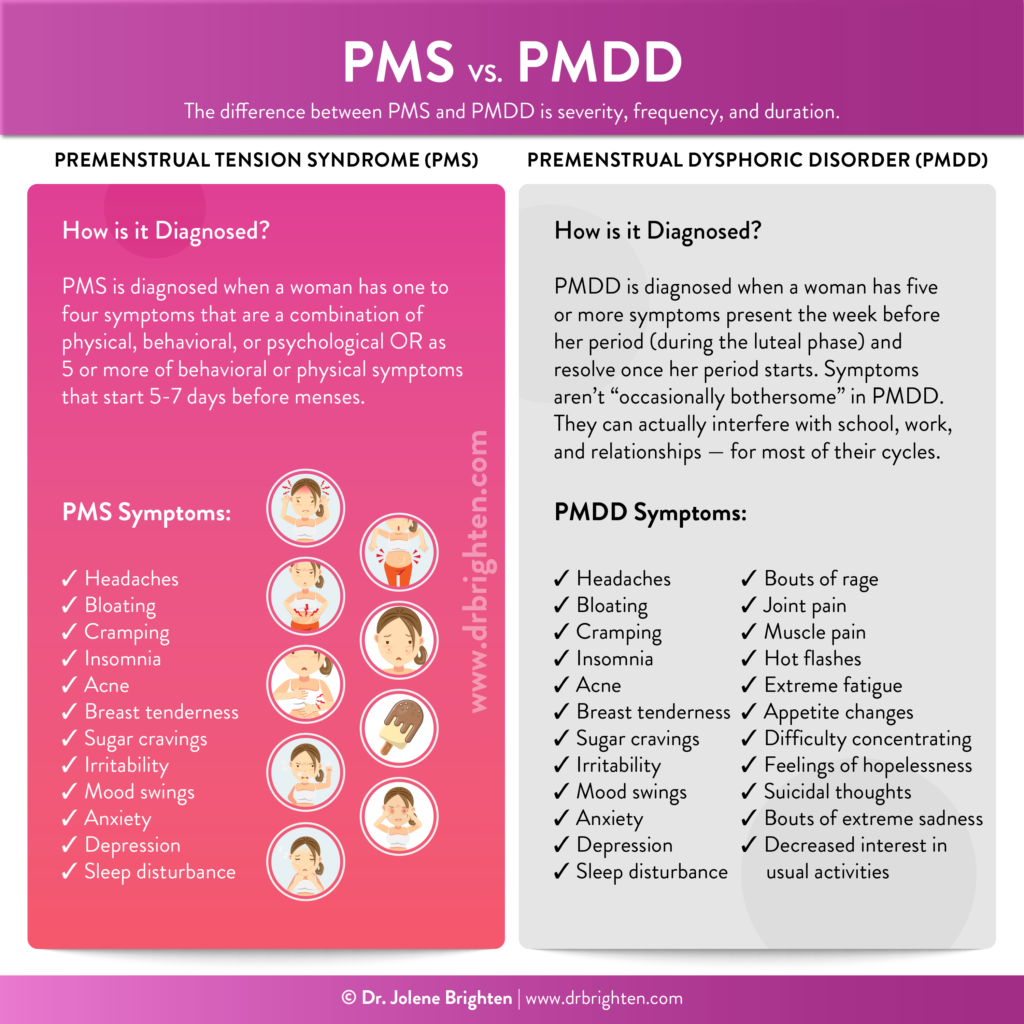
PMDD is not merely intensified PMS. It’s a severe, often debilitating pattern of symptoms that typically appears in the luteal phase (the second half of the menstrual cycle) and improves after menstruation begins. The emotional and behavioral components can be vivid: irritability that feels disproportionate, mood lability, depressive symptoms, anxiety, and—sometimes—feelings of overwhelm that seem to arrive fully formed.
Physically, symptoms can also show up: breast tenderness, headaches, bloating, fatigue, and sleep disruption. But the signature of PMDD is the way symptoms can derail daily life. Relationships can feel like fragile glass. Productivity can wobble. Even simple tasks might feel strangely onerous.
So where does Vitamin D fit? Think of it as a potential “background condition” that can modulate how intensely the body reacts to hormonal shifts. In other words, it may not be a magic switch—but it may influence the volume knob.
Vitamin D: The Sun-Derived Signal With System-Wide Reach
Vitamin D is famous for its role in bone health, yet it’s also active in many tissues. It behaves like a hormone-like compound, communicating with cells involved in immune regulation and nervous system function. When levels are low, certain pathways may become less efficient—like a dimmer switch that never fully turns on.
From a symptom perspective, Vitamin D is often discussed in relation to mood disorders and fatigue. In PMDD specifically, researchers continue to investigate links between vitamin status, inflammation markers, and neurotransmitter dynamics. Not every person with PMDD will have low Vitamin D, but deficiency can be a common background contributor in the broader population.
Here’s the practical question: could seasonal behavior—less outdoor light, indoor routines, clothing coverage—be quietly stacking the deck against emotional equilibrium?
The Potential Challenge: “What If My Levels Are Fine?”
Now the playful question turns into a gentle obstacle: what if you take Vitamin D and nothing changes noticeably? That’s not uncommon, and it doesn’t mean Vitamin D is useless—it may mean the issue isn’t deficiency-driven for your particular biochemistry.
PMDD is multifactorial. Genetics, stress load, sleep quality, sensitivity to hormonal fluctuations, and baseline mental health all play roles. Vitamin D may be one contributor among many. Some people might experience improvement when they correct a deficiency; others might need different, targeted interventions.
The key is to avoid treating Vitamin D as a standalone miracle. Treat it as a testable variable—one you can measure, adjust, and evaluate over time.
How Vitamin D Might Influence PMDD Symptoms
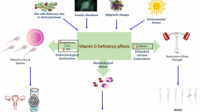
Vitamin D doesn’t just “support health.” It may participate in several processes that matter during the luteal phase. First, it may help modulate immune activity. Elevated inflammatory signaling can influence mood, sleep, and pain perception. Second, Vitamin D is thought to interact with neurotransmitter systems—messengers involved in emotional regulation.
There may also be effects on insulin sensitivity and metabolic stability, which can matter because blood sugar swings can worsen irritability, fatigue, and anxiety. Some people notice that PMDD intensifies when energy regulation is shaky.
In a larger sense, Vitamin D might act like a conductor—keeping multiple instruments (immune signaling, neural function, hormonal responsiveness) in a more coordinated rhythm.
Still, biology is not a single-track highway. Symptoms can improve for one person and remain stubborn for another. Individual response varies.
Testing and Targeting: Checking Levels Before Guessing
If Vitamin D is on the table, testing is the most rational starting point. A blood test for 25-hydroxyvitamin D (often written as 25(OH)D) gives a clearer picture than guesses based on lifestyle alone. Seasonal variation can be real. A summer level might look fine while winter reveals a drop.
After results come in, a clinician can help determine whether supplementation is appropriate and what dose might be reasonable. Some people require higher amounts temporarily to correct low levels. Others may need maintenance doses.
This step matters because too much Vitamin D can be harmful. Vitamin D is fat-soluble, so it can accumulate. Therefore, it’s wiser to think in terms of calibration rather than bravado.
If testing isn’t possible, the conservative approach is to choose moderate dosing and monitor symptoms alongside general lab follow-up when feasible.
Supplementation Strategies: How to Approach Vitamin D Safely
Vitamin D supplements commonly come as D2 or D3. Many people use D3 (cholecalciferol) because it’s widely utilized in practice. The “best” regimen depends on baseline levels, sun exposure, dietary intake, and any medical conditions.
Consistency is more important than spikes. Many individuals choose to take Vitamin D with a meal that includes fat to improve absorption. This small habit can turn a supplement from an uncertain gamble into a more reliable tool.
Evaluation should be time-aware. PMDD is cyclical, so tracking symptoms over multiple cycles can offer better signal than relying on one month of hope.
A thoughtful plan might include: (1) confirm baseline status, (2) supplement responsibly, (3) monitor symptom changes across at least two to three cycles, and (4) reassess if results are unclear.
Pairing Vitamin D With a PMDD-Friendly Lifestyle
Supplements rarely work best in isolation. PMDD relief often responds to a mosaic of strategies: sleep regularity, stress reduction, nutrient-dense eating, and supportive movement. Even short walks can act like emotional punctuation—helping to break the spell of rumination.
Some people find that magnesium, omega-3 fatty acids, and calcium support overall premenstrual comfort, though individual needs vary. Iron status can also matter, especially if heavy bleeding occurs. Vitamin D fits well among these “supportive scaffolds” because it contributes to broader physiological stability.
Playful, practical habits can be surprisingly powerful. Set reminders for bedtime, prep calming snacks, and create a “luteal phase buffer” in your schedule. Reduce decision fatigue. Give your brain fewer obstacles when hormones are already demanding extra bandwidth.
When to Seek Broader PMDD Treatment Options
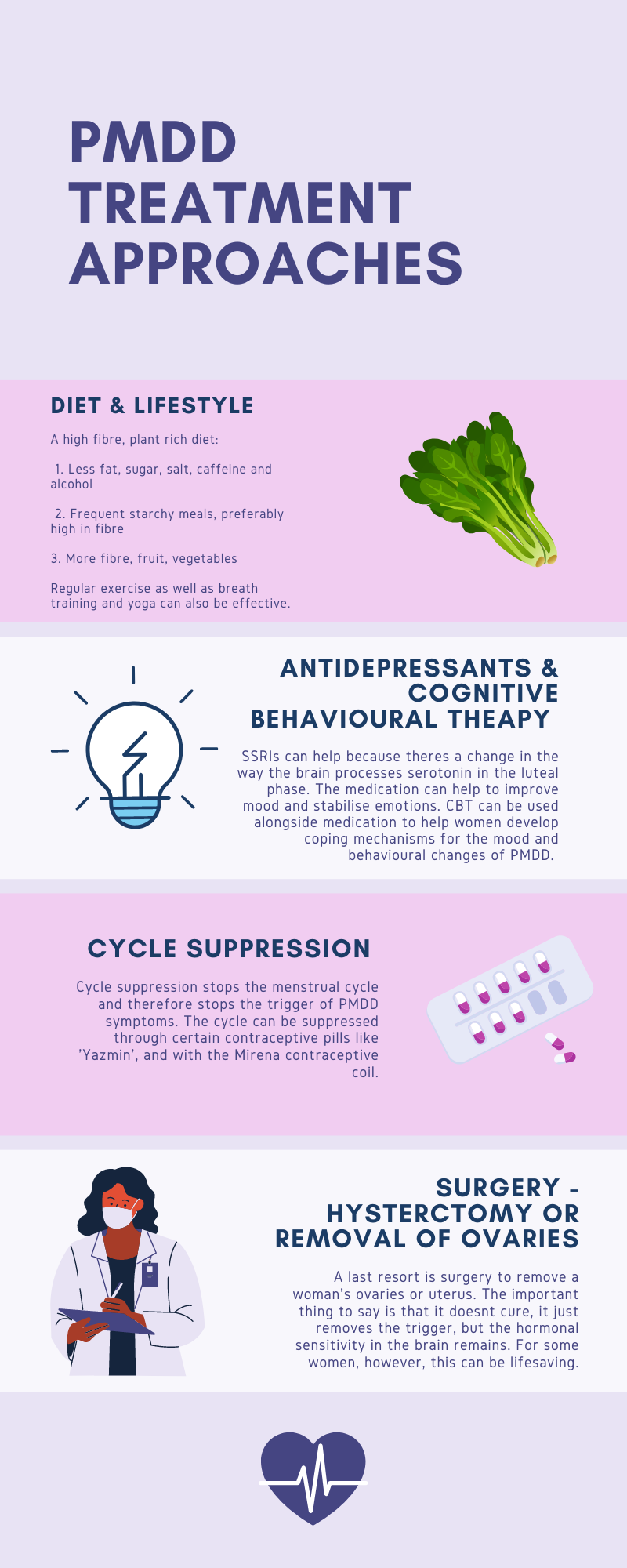
If PMDD symptoms are severe, persistent, or interfering with safety, work, or relationships, professional treatment is essential. Evidence-based approaches may include therapy, targeted medications, or structured symptom plans. Vitamin D can be supportive, but it should not delay appropriate care.
Also, if mood symptoms include thoughts of self-harm or severe depression, urgent help is the priority. PMDD can feel intense, but you deserve prompt, compassionate support.
Realistic Expectations: Relief, Not Perfection
Let’s end with a grounded promise: Vitamin D may help some people experience less severe PMDD symptoms—especially if levels are low or if the body’s inflammatory balance is struggling. But it won’t erase PMDD for everyone.
The most useful mindset is iterative. Try, measure, observe. Track changes in irritability, anxiety, sleep, and physical discomfort. If symptoms improve even slightly, that may be meaningful—because PMDD relief doesn’t always arrive as a dramatic transformation. Sometimes it arrives as a calmer baseline. A softer edge. A month where the storm still exists, but it doesn’t swallow everything.
So, could Vitamin D be one of your keys? Start with curiosity, support it with testing, and let the next few cycles reveal the answer.