
What if your fatigue isn’t just “tiredness,” but a biochemical whisper asking for vitamin D? And what if your mood—fluctuating like a dimmer switch—could be nudged toward stability with a nutrient you can’t always generate from sunlight alone? Let’s step into the curious overlap between vitamin D and fibromyalgia, focusing especially on fatigue and mood. The potential challenge is real, though: finding the right dose, interpreting lab results correctly, and turning a theory into a steady, lived routine can feel like trying to catch fog in a jar.
Fibromyalgia fatigue: more than a sleepy feeling
Fibromyalgia-related fatigue is notorious for being stubborn. It doesn’t behave like typical post-work weariness. Instead, it often arrives with a sense of heaviness, mental fog, and a low-grade depletion of energy that can persist despite rest. Some people describe it as “battery drain” happening while the body is still trying to remain functional.
One reason vitamin D draws attention is that it participates in pathways linked to energy metabolism, immune signaling, and musculoskeletal health. When levels are low, the body may become more vulnerable to inflammatory signals and neuromuscular discomfort. That doesn’t mean vitamin D is the only factor involved—fibromyalgia is multifactorial—but it may contribute to how intensely fatigue is felt.
Think of vitamin D as a backstage manager. When the backstage manager is absent, performances still happen, but the timing becomes messy. Fatigue can then feel like the opening act that never fully ends.
Mood in fibromyalgia: a subtle neurochemical choreography
Mood symptoms—such as irritability, anxiety, or depressive symptoms—often co-travel with fibromyalgia. This doesn’t imply weakness or lack of coping skills. The brain is negotiating signals from pain pathways, sleep disruption, and stress physiology. Even when pain intensity fluctuates, the emotional experience can remain volatile.
Vitamin D interacts with the nervous system. It is believed to influence neurotrophic factors, neurotransmitter regulation, and inflammatory modulation. When vitamin D status is inadequate, the stage for mood regulation may be less supportive—like trying to write music with a piano that’s slightly out of tune.
Here comes the challenge: mood improvement is rarely instant. Even if vitamin D helps, it typically behaves like a slow rewiring rather than a quick switch. Patience can be difficult when your days already feel complicated.
Why vitamin D matters: immune signaling, inflammation, and muscle function
Vitamin D is often framed as a bone-supporting vitamin, yet its roles extend far beyond calcium balance. It functions more like a hormone-like regulator, shaping immune responses and inflammatory tone. Since fibromyalgia involves altered pain processing and may include inflammatory and immune dysregulation, vitamin D’s modulatory capacity is an intriguing piece of the puzzle.
Additionally, vitamin D may support muscle function. Some individuals experience diffuse aches and weakness that intensify fatigue. If muscle efficiency declines, the body compensates—sometimes by adopting less efficient movement patterns—leading to a greater sense of effort during daily tasks.
When vitamin D levels improve, that compensation might become less necessary. The result could be a reduction in the “background burden” that amplifies fatigue and makes mood feel more fragile.
Playful question: could a nutrient change your daily “gravity”?
Imagine your body is a spaceship and fatigue is the gravity setting stuck at “high.” Now picture vitamin D as a control knob you didn’t know existed. Could turning it slightly lower make the day feel lighter? It’s a tempting thought, and it’s worth exploring—just not with blind optimism.
Here’s the potential hurdle: vitamin D isn’t a universal cure, and people vary widely in baseline status, absorption, sun exposure, body weight, and metabolic differences. Two people can take the same supplement and experience different outcomes. That’s not failure; it’s biology doing what biology does.
Still, for some, correcting a deficiency can translate into more sustainable energy, improved sleep quality, or a calmer emotional baseline.
How to know if vitamin D is low: interpreting labs without guesswork
The most actionable step is measuring vitamin D status through a blood test—often reported as 25-hydroxyvitamin D (25(OH)D). Interpreting results should be individualized, factoring in symptoms, risk factors, and clinician guidance.
Low vitamin D can occur even in people who believe they “get enough sun.” Cloud cover, sunscreen use, indoor lifestyles, darker skin pigmentation, and geographic latitude can all reduce vitamin D synthesis. If intake is inconsistent or absorption is compromised, deficiency can develop quietly.
Don’t treat lab values like fortune cookies. A number is a starting point for decisions, not a verdict. The correct dose depends on the degree of deficiency, current regimen, and safety monitoring.
Supplementation: dosing strategies and the safety net
Vitamin D supplementation is commonly used, but the dosing strategy matters. Some people start with a higher dose to replete stores, then transition to a maintenance level. Others begin more conservatively, especially when levels are only mildly low or when multiple conditions complicate treatment.
Safety is the watchful sentinel. Too much vitamin D can contribute to hypercalcemia and related complications. That’s why monitoring and clinician oversight are valuable—particularly if there are kidney issues, a history of calcium imbalance, or use of certain medications.
Try thinking of supplementation like calibrating an instrument, not blasting music. Small, accurate adjustments can produce cleaner results than sporadic large doses.
Pairing vitamin D with habits: sunlight, sleep, and movement
Supplements are not isolated islands. They work best when integrated into a broader routine. Sun exposure—when appropriate—can support vitamin D status. But even with sunlight, inconsistent schedules or seasonal changes can cause levels to drift.
Sleep quality is another pivotal variable. Fibromyalgia frequently includes non-restorative sleep, which can worsen both fatigue and mood. Vitamin D may support overall physiology, yet it won’t replace the need for sleep hygiene, pacing strategies, and consistent wind-down rituals.
Gentle movement matters too. Think of low-impact walking, stretching, or graded activity as “maintenance engineering” for the nervous system. If vitamin D helps muscle function and reduces inflammatory noise, movement may become slightly easier to sustain—creating a virtuous cycle.
And yes, a cohesive routine can feel like assembling a puzzle while wearing mittens. But small steps, repeated, are powerful.
What improvement might look like: realistic expectations over time
If vitamin D is part of the fatigue and mood story, changes may appear gradually. Some individuals notice shifts in energy resilience—less “crash-and-burn” on hard days. Others report improved mood stability, fewer spirals of irritability, or a calmer mental tone.
It’s also possible that vitamin D won’t noticeably change symptoms, even if levels are low. That doesn’t invalidate the effort. Fibromyalgia is complex; multiple factors may be driving fatigue and mood changes, including pain amplification, sleep fragmentation, stress physiology, and comorbid conditions.
A practical approach is to track symptoms over weeks: fatigue severity, sleep quality, mood fluctuations, and day-to-day functioning. Patterns can reveal whether supplementation is helping, plateauing, or needing reassessment.
When to seek additional evaluation: red flags and coexisting conditions
Sometimes fatigue is multifactorial. Iron deficiency, thyroid disorders, vitamin B12 insufficiency, chronic infections, medication effects, and sleep apnea can mimic or amplify fibromyalgia symptoms. If fatigue is escalating rapidly, mood is deteriorating, or new neurological signs appear, further evaluation is essential.
Vitamin D is a helpful piece, but it shouldn’t be used as a substitute for comprehensive care. Clinical follow-up supports accurate diagnosis and safe supplementation.
Bringing it all together: a hopeful, grounded experiment
Vitamin D for fibromyalgia-related fatigue and mood is best approached as a grounded experiment—one rooted in measurement, cautious dosing, and supportive lifestyle scaffolding. The playful question is not whether vitamin D is magical. It’s whether your body might be operating with a missing ingredient that quietly raises the volume on fatigue and mood strain.
The potential challenge is navigating the details—labs, dosing, adherence, and realistic timelines—without losing momentum. Yet the upside is compelling: if deficiency contributes, correcting it can support energy, emotional steadiness, and the ability to engage with daily life a little more fully.


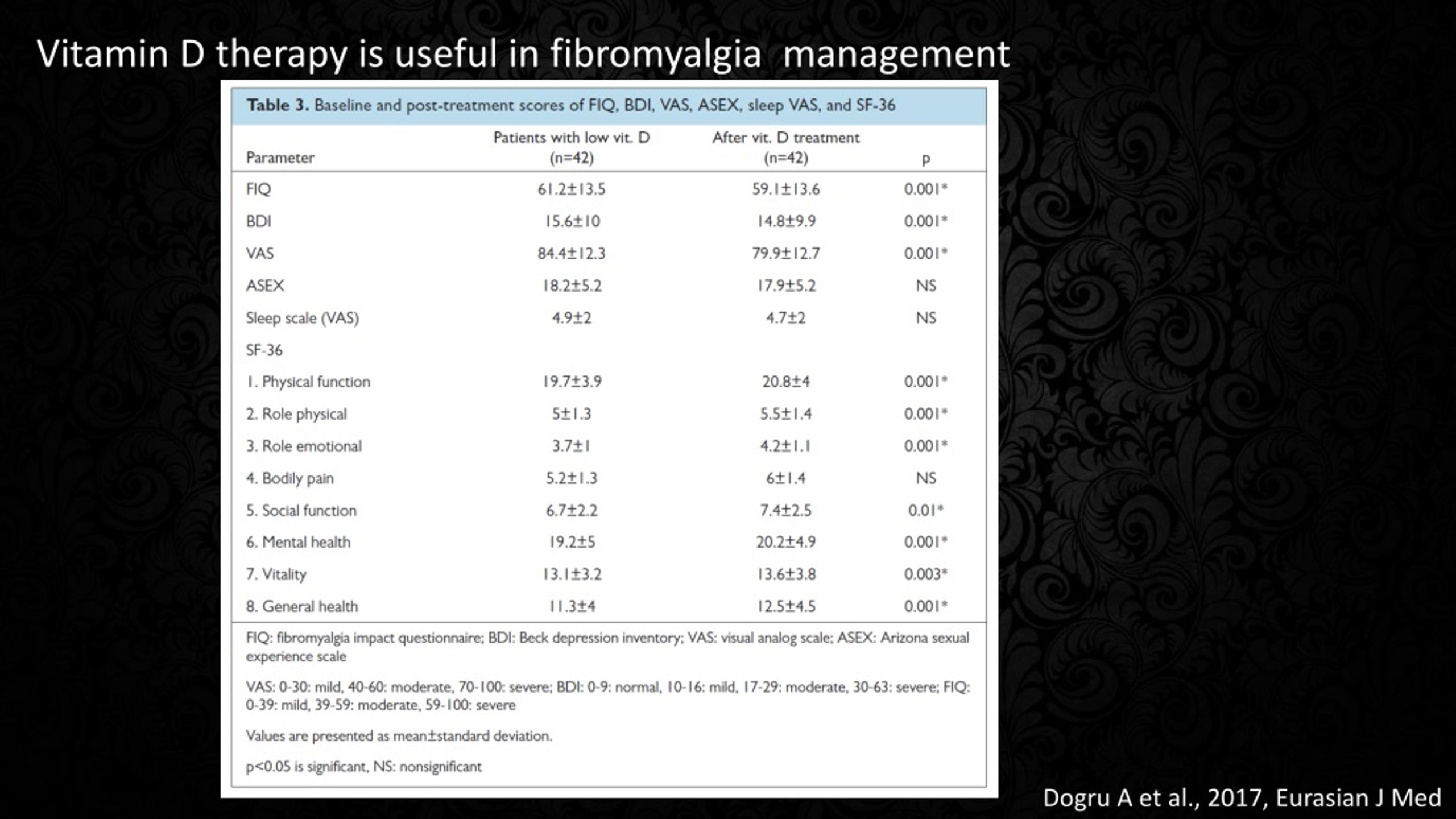
If you decide to explore vitamin D, do it with curiosity and structure. Measure first, adjust thoughtfully, and observe the signals your body sends back. That’s how science becomes personal—and how fog sometimes lifts, one patient day at a time.