Have you ever wondered whether a “sunshine vitamin” could ever turn mischievous? Picture this: you’ve been diligently dosing vitamin D, perhaps with the best intentions, and yet your heartbeat suddenly feels… irregular. Not dramatic enough to ignore, not subtle enough to dismiss. So here’s the playful question that quickly stops being funny: can vitamin D toxicity provoke heart arrhythmias? The potential challenge is real—especially when supplementation overshoots what your body can metabolize, and the cardiovascular system becomes an unwilling stage for electrical chaos.
Vitamin D: The Hormone That Trains Calcium’s Rhythm
Vitamin D is often framed as a simple nutrient, but it behaves more like a hormonal conductor. Its primary job is to influence calcium absorption and calcium balance—processes that are deeply intertwined with cardiac excitability.
Cardiac cells rely on tightly regulated calcium fluxes to maintain orderly electrical signaling. When calcium levels drift out of their comfortable range, the heart’s timing can stutter. Vitamin D toxicity does not merely “add extra vitamin.” Instead, it can amplify downstream effects, particularly through hypercalcemia, which may tilt the electrophysiological scales toward instability.
In other words, vitamin D’s influence is indirect yet consequential. It can raise serum calcium, and calcium is not a passive bystander in cardiac electrophysiology. It’s a key participant in the mechanisms that govern depolarization and repolarization.
When Supplementation Goes Too Far: From Overuse to Toxicity
Vitamin D toxicity typically emerges when intake becomes excessive—often from high-dose supplementation rather than sunlight exposure. The body stores vitamin D metabolites in fat and can mobilize them slowly, which means the “miscalculation” may unfold over time.
The common pathway is as follows: high vitamin D intake leads to elevated levels of vitamin D metabolites, which increases intestinal calcium absorption. That can culminate in hypercalcemia, and with it, a biochemical environment that can irritate the heart’s electrical system.
Long sentences can be seductive, but the core idea is simple: too much vitamin D can cause too much calcium, and calcium excess is not friendly to rhythm.
Hypercalcemia and Electrical Misfires: The Arrhythmia Connection
Arrhythmias are often described as “abnormal rhythms,” but the underlying story is more nuanced. The heart’s electrical system depends on gradients of ions—calcium, sodium, and potassium—plus the balance between excitatory and inhibitory currents.
Hypercalcemia can shorten repolarization, disrupt conduction, and increase myocardial irritability. Think of it as turning a dial that controls timing: the heart may still beat, but it may beat out of sync with itself.
Clinical patterns associated with calcium disturbances can include atrial arrhythmias and other rhythm disruptions. Some individuals experience palpitations, lightheadedness, or a fluttering sensation that feels both familiar and unsettling.
Even if symptoms are intermittent, the electrical vulnerability is not imaginary. It is biochemical, and it may worsen as calcium levels rise.
Which Arrhythmias Might Appear—and Why Timing Matters
Not every person exposed to vitamin D excess will develop the same rhythm problem. Arrhythmias can vary by individual baseline health, electrolyte status, and the pace at which calcium escalates.
Potential manifestations may include:
Atrial tachyarrhythmias: such as atrial fibrillation or atrial flutter-like patterns, often felt as rapid, irregular beats.
Conduction abnormalities: when the heart’s electrical pathways slow, block, or mis-route signals.
Premature beats and palpitations: which may be early warning signals that the myocardium is becoming overexcitable.
Timing also matters. Acute or rapidly rising calcium levels may produce different electrophysiological effects than gradually evolving changes. The nervous system’s stress response can compound the situation, making symptoms feel more dramatic than lab values suggest.
The Cardiovascular Landscape: Who Is Most Vulnerable?
Vitamin D toxicity does not occur in a vacuum. Risk can be shaped by age, kidney function, existing cardiovascular disease, and concurrent medications or supplements.
The kidneys are central to calcium regulation. If renal clearance is reduced, calcium and vitamin D metabolites may linger longer. This increases the odds of a sustained hypercalcemic state.
Similarly, people with underlying cardiac disease—such as structural heart abnormalities or prior rhythm issues—may have less electrical “reserve.” Their hearts may tolerate smaller disturbances with greater difficulty.
There’s also the question of co-existing electrolyte conditions. Hypomagnesemia or other electrolyte imbalances can interact with calcium physiology, magnifying arrhythmogenic potential.
Symptoms That Don’t Always Announce Themselves
Arrhythmias caused by metabolic disturbances can be tricky. Some individuals feel nothing until the rhythm becomes persistent. Others notice subtle body signals that resemble anxiety but stem from physiology.
Possible symptoms can include:
Palpitations: a fluttering, pounding, or irregular heartbeat sensation.
Dizziness or near-syncope: when blood flow momentarily fails to keep up.
Fatigue and weakness: not only from the arrhythmia itself, but from systemic effects of high calcium.
Thirst or frequent urination: commonly associated with hypercalcemia, offering a biochemical clue.
Sometimes the heart symptoms are the headline, but the “supporting cast” of hypercalcemia symptoms often helps explain the plot.
How Clinicians Verify the Culprit: Labs, EKG, and Context
Diagnosing vitamin D toxicity as the source of arrhythmia is a detective story. The key steps usually involve clinical evaluation plus laboratory testing and heart rhythm assessment.
Clinicians may assess:
Serum calcium: to detect hypercalcemia.
Vitamin D metabolites (often 25-hydroxyvitamin D): to gauge excessive exposure.
Kidney function and electrolytes: to understand clearance capacity and co-factors.
Electrocardiogram (EKG): to characterize rhythm changes and conduction patterns.
One challenge is that arrhythmias can also arise from many other causes—thyroid dysfunction, medication effects, dehydration, or primary cardiac conduction disease. The goal is to link the rhythm event to the metabolic environment, not just to find an arrangement of lab numbers.
A Playful Challenge: The “More Is Better” Trap
Here’s the twist. Many people believe that if vitamin D supports bones, more vitamin D must mean more protection. But biological systems do not reward unlimited enthusiasm. They reward dose alignment.
A common real-world challenge is inconsistency: occasional high-dose supplements, multiple products stacked together, or “booster” regimens without a clear monitoring plan. Unseen overlap can quietly raise total intake.
Consider the possibility that your supplement routine is accidentally stacking like cards. The first card might be harmless. The sixth can tip the tower—especially when renal clearance is compromised or when baseline vitamin D levels are already adequate.
Prevention and Practical Guardrails: Dosing With Intent
Prevention isn’t about fear. It’s about calibration. Sensible strategies often include testing baseline levels, using recommended dosing ranges, and avoiding unsupervised high-dose therapy.
If supplementation is necessary, monitoring can help. Periodic lab checks allow adjustments before calcium levels rise into a hazardous zone. This is particularly important for people with kidney disease, sarcoidosis or granulomatous disorders, or those taking medications that influence calcium metabolism.
Also consider lifestyle elements. Sunlight exposure can contribute to vitamin D status, but it has its own complexity. Balancing dermal safety with nutritional needs matters. The aim is not to chase vitamin D endlessly, but to maintain physiological harmony.
Treatment Pathways: When the Heart Needs Calm
If toxicity is suspected, treatment focuses on correcting the biochemical environment and stabilizing the heart.
Approaches may include reducing or stopping vitamin D intake, addressing hypercalcemia through clinician-guided interventions, optimizing hydration status, and monitoring cardiac rhythm. In more severe cases, hospital-level care may be required to protect the heart and kidneys.
The goal is to restore the electrical environment to normal. Once calcium levels move back toward safe ranges, rhythm disturbances may improve—though follow-up is often essential to ensure stability.
Visualizing the Mechanism: Vitamin D, Calcium, and Rhythm
Sometimes a simple image clarifies what words cannot. Here’s a conceptual snapshot of how vitamin D excess can set off a calcium-driven rhythm cascade:
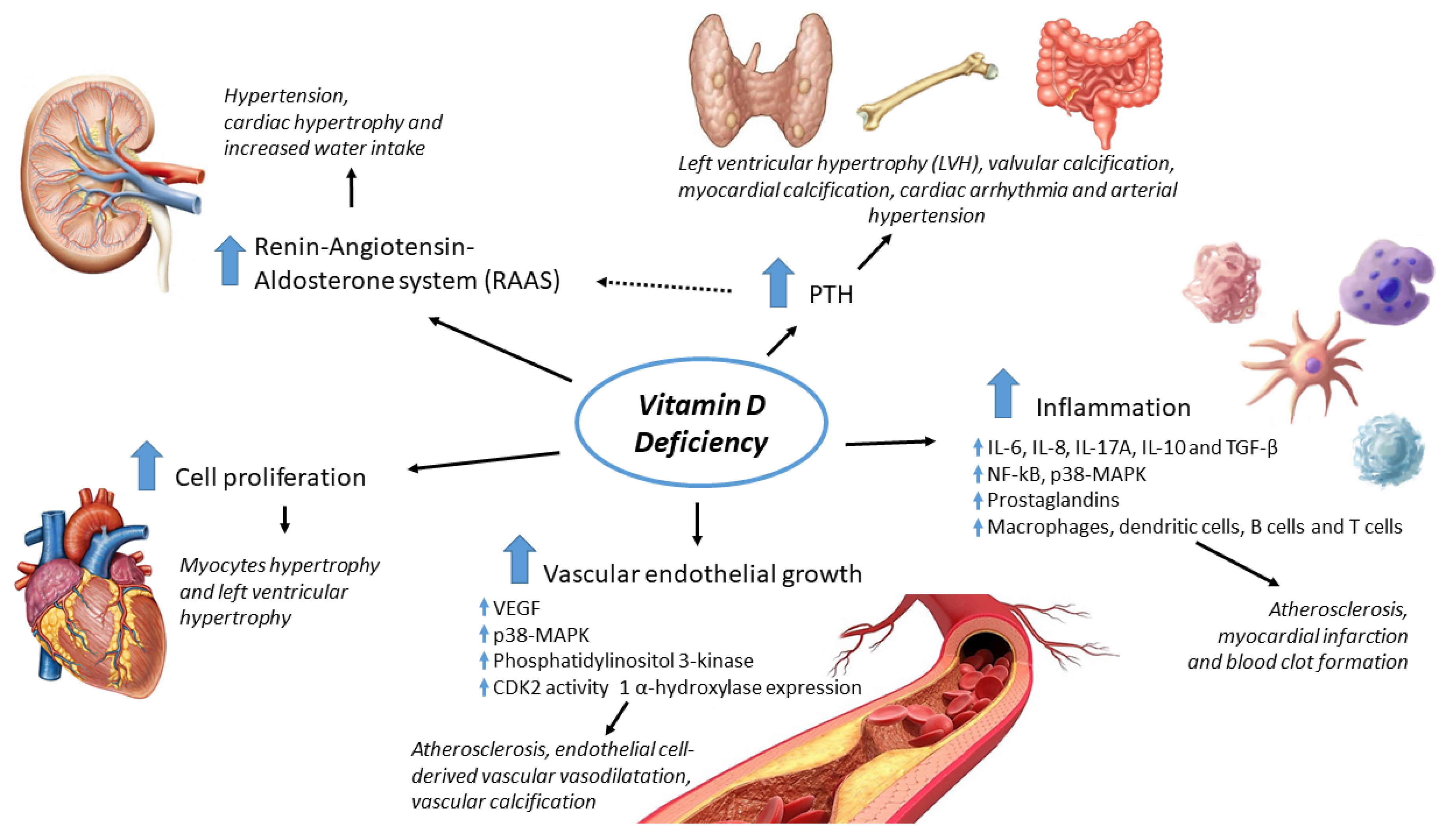
This type of diagram helps reinforce the “chain reaction” idea: vitamin D influences calcium. Calcium influences cardiac electrophysiology. When the chain swings too far, the rhythm can falter.
Closing Thoughts: A Sunlight Vitamin With Boundaries
Vitamin D can be beneficial—often essential. Yet its power is not unlimited. Heart arrhythmias in the setting of vitamin D toxicity are best understood as a consequence of altered calcium homeostasis, coupled with individual vulnerability factors.
The playful question remains worth asking because the answer carries responsibility: yes, too much vitamin D can contribute to conditions that may disturb heart rhythm, especially through hypercalcemia. The challenge is to treat vitamin D as a calibrated tool, not an infinite resource.
If palpitations appear during high-dose supplementation, or if hypercalcemia symptoms surface, seeking timely medical evaluation is not merely prudent—it’s a way to keep the heart’s electrical “music” in tune.