Sleep should feel like drifting on a quiet tide—steady, restorative, and forgiving. Yet for millions, sleep is more like navigating fogged waters: the breath stutters, the body startles awake, and the night’s melody becomes a harsh rhythm. Within that struggle, vitamin D—often treated as a mere “sunshine nutrient”—has begun to look less like background scenery and more like a backstage stage manager. Could a deficiency of vitamin D quietly nudge the body toward sleep apnea, or worsen what is already happening at night? The question is intriguing, not because it offers a miracle cure, but because it suggests a web of biology that links immunity, inflammation, airway stability, and metabolic strain.
Vitamin D: More Than Bone Chemistry
Vitamin D is frequently introduced as a guardian of bones, but its influence reaches far beyond calcium balance. In the body, vitamin D acts like a molecular diplomat, entering tissues and signaling through vitamin D receptors. These signals can affect immune behavior, inflammatory tone, neuromuscular function, and even how the body regulates cellular “tempo”—the timing of processes that keep us stable.
When vitamin D levels run low, the body may behave like a thermostat with faulty calibration: responses to stress can become exaggerated, while repair mechanisms may not coordinate as smoothly. This matters because sleep apnea is not simply a mechanical problem of airflow. It is also an inflammatory and neurologic event—an oscillation between airway narrowing and the body’s counter-response.
Sleep Apnea in Human Terms: When the Airway Becomes a Doorway
Sleep apnea is often described in technical language: obstructive sleep apnea (OSA) involves repeated upper-airway collapse during sleep, leading to reduced airflow, oxygen dips, and brief arousals. But imagine the airway as a doorway that should remain open. In OSA, that doorway intermittently swings shut—sometimes subtly, sometimes dramatically—then the body scrambles to restore airflow.
Each collapse triggers a cascade: oxygen levels can fall, the brain sends warning signals, and the stress response may surge. Over time, the night’s interruptions can resemble chronic noise pollution for the cardiovascular and metabolic systems.
So where does vitamin D enter the picture? If vitamin D influences inflammation and immune signaling, it could affect the “mood” of tissues in the airway and the nervous system’s regulation of breathing.
The Inflammation Bridge: Vitamin D and Immune Signaling
Many researchers consider inflammation an invisible conductor in sleep apnea. Repeated airway obstruction can activate immune pathways, promoting cytokines—chemical messengers that can amplify swelling and sensitivity. Vitamin D has a complicated relationship with cytokines: in some contexts, it appears to help modulate inflammatory activity, potentially reducing overreaction.
This doesn’t mean vitamin D replaces CPAP or resolves apnea on its own. Instead, it suggests an added layer: vitamin D deficiency might tilt the immune system toward a more inflammatory “setting,” which could affect airway tissue responsiveness and swelling.
Think of inflammation like steam pressure in a boiler. Too much pressure and the system starts to rattle. Too little regulation and the pressure rises more easily. Vitamin D may contribute to the boiler’s safety valve—subtle, but potentially important.
Airway Anatomy and Tissue Sensitivity: A Plausible Pathway
Upper-airway collapse in OSA is influenced by anatomy, muscle tone, and neuro-control. Vitamin D receptors are present in many tissues, so it is not a stretch to consider that deficiency could influence aspects of muscle function and tissue resilience.
During sleep, breathing control relies on delicate neuromuscular coordination. If vitamin D deficiency contributes to altered neuromuscular performance or inflammatory swelling, the airway may be more prone to collapse or less able to maintain patency. The body may then respond with more frequent arousals and stronger stress surges.
In this way, vitamin D could be part of a broader “system stability” story—one where deficiency acts like a loose screw in the sleep machinery, not always visible during daytime function, but consequential at night.
Severity and Feedback Loops: Why Timing Matters
Sleep apnea severity varies, and so may vitamin D status. One intriguing idea involves feedback loops. Sleep apnea can elevate oxidative stress and inflammatory activity. That biological environment might affect vitamin D metabolism indirectly, for example through changes in systemic inflammation or altered metabolic handling. Meanwhile, low vitamin D could increase inflammatory vulnerability, potentially reinforcing the cycle.
So the connection may be bidirectional—deficiency potentially contributing to susceptibility, and sleep apnea potentially worsening the conditions that maintain deficiency. This resembles a tug-of-war: two forces pulling in the same direction, making it harder for the body to settle into equilibrium.
Because of that possibility, addressing vitamin D may be best viewed as part of a larger stabilization plan rather than a standalone intervention.
Comorbidities: The Metabolic and Mood Echoes
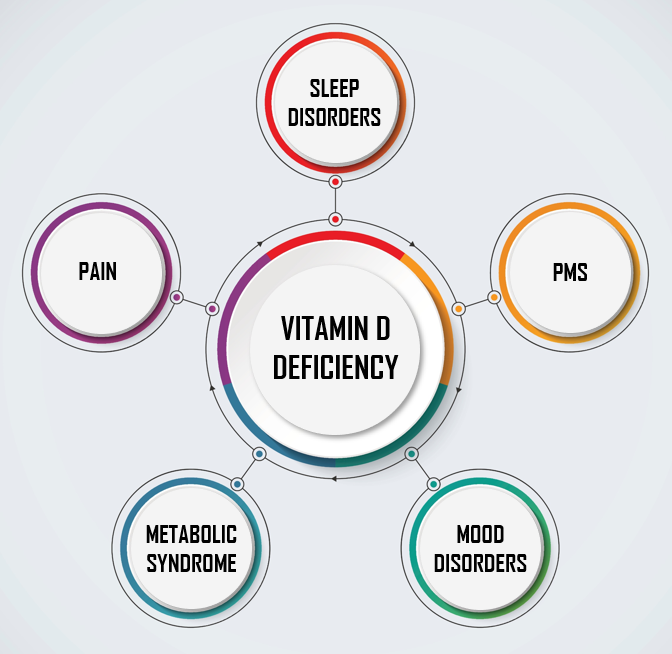
Sleep apnea rarely arrives alone. It often travels with metabolic syndrome, insulin resistance, cardiovascular risk, and mood disturbances. Vitamin D has also been studied in relation to metabolic health and psychological well-being. While correlations do not prove causation, the overlapping patterns are hard to ignore.
If vitamin D deficiency is linked with inflammatory tone and metabolic dysfunction, then in someone with sleep apnea, low vitamin D might amplify daytime fatigue, worsen cardiometabolic stress, or intensify the sense of cognitive fog.
Consider the body as a city during blackout conditions. When oxygenation and sleep continuity falter at night, multiple systems can experience “power rationing” during the day. Vitamin D insufficiency could be one of the factors that lowers the city’s resilience against that strain.
Who Might Be at Higher Risk for Deficiency?
Vitamin D deficiency is common, and certain scenarios raise the likelihood: limited sun exposure, darker skin pigmentation in high-latitude regions, aging, malabsorption conditions, obesity (because vitamin D can be sequestered in adipose tissue), and certain medications. People with sleep apnea may also have lifestyle patterns that further reduce sunlight exposure, creating an overlap that deserves attention.
Risk awareness matters because many symptoms of low vitamin D—tiredness, aches, low mood—can mimic or blend into symptoms already associated with poor sleep. The result is a double-identity problem: the same complaint can have multiple “owners.”
That is why targeted evaluation—often starting with a blood test for 25-hydroxyvitamin D—can be a clarifying step.
Testing and Treatment: The Practical Middle Ground
If a clinician suspects deficiency, testing is usually the first move. From there, supplementation may be considered, guided by lab values and individual factors such as comorbidities and medication use. Importantly, the goal is not to “out-supplement” sleep apnea. It is to correct a potential nutritional shortage that could influence inflammation and overall recovery.
Adherence matters. Supplementation without follow-up can be like repairing a bridge while ignoring the load reports. Monitoring helps ensure levels reach a healthier range.
Most importantly, sleep apnea should still be treated with evidence-based strategies—commonly CPAP, positional therapy, oral appliances for select cases, weight management when appropriate, and surgical evaluation in specific scenarios. Vitamin D can be a supportive element, not the only pillar.
What to Expect: Realistic Outcomes and Gentle Optimism
Correcting vitamin D deficiency may improve certain aspects of well-being—energy, muscle comfort, mood resilience in some individuals—and potentially reduce inflammatory vulnerability. But improvement in sleep apnea metrics specifically (like apnea-hypopnea index) may not happen dramatically for everyone.
Some people may notice more restful sleep simply because their body is better equipped to regulate stress and repair. Others may find that their breathing events persist, reinforcing the importance of direct apnea treatment.
In other words, vitamin D might act like a stabilizing floor under a wobbling table: helpful, but the table still needs proper leveling.
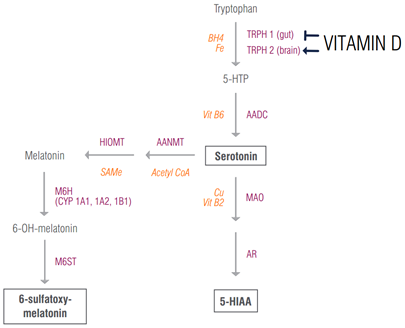
Image Snapshot: The Night’s Chemistry Map
To visualize the theme, consider the night as a “biochemical landscape” where oxygen levels, immune signals, and neuromuscular control travel along different pathways. Vitamin D may not be the only landmark, but it could influence how the terrain responds when sleep becomes fragmented.
How to Move Forward: A Cohesive Strategy
If sleep apnea is suspected or diagnosed, a coordinated approach tends to work best. Start with proper evaluation—often including sleep testing—then treat apnea directly. In parallel, consider checking vitamin D status, especially if risk factors for deficiency are present. Lifestyle measures that support both sunlight exposure and healthy sleep also matter: consistent schedules, safe exercise, and attention to weight and metabolic health can complement clinical care.
Above all, keep expectations measured. The connection between vitamin D deficiency and sleep apnea is a promising thread, but it is not a single-strand solution. It is more like a pattern in fabric—revealed only when you look at the whole garment.
A Final Thought: Sunlight as a Quiet Ally
Sunlight is not just warmth on the skin; it can be a biochemical instruction. If vitamin D deficiency is part of a person’s sleep apnea story, correcting it may add steadiness to the body’s nightly defenses. Yet breathing stability still requires focused apnea treatment. Together, they may offer something valuable: not a fantasy of effortless sleep, but a stronger foundation for the kind of rest your body has been trying to claim all along.