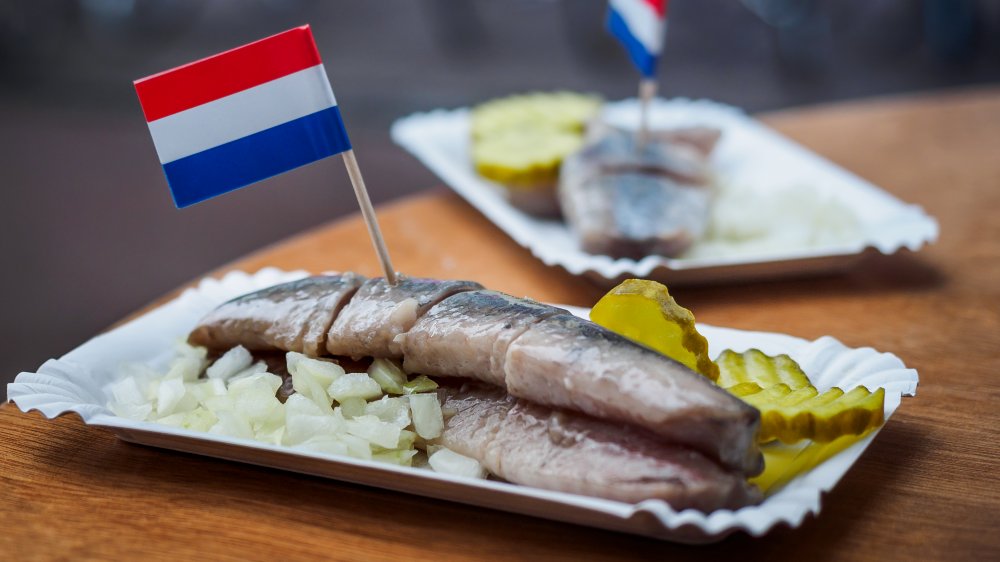
There’s a particular kind of quiet magnetism to herring—especially when it’s pickled. It shows up at family tables and in old-world shop windows, half briny rumor and half culinary comfort. And yet, beneath the distinctive aroma and the tangy, puckering finish lies a nutrient story that many people only partially notice. The headline often sounds simple: herring can contribute meaningful vitamin D. But the real intrigue starts when you ask why vitamin D seems to matter so much here, and why pickled herring brings an additional conversation—namely sodium.
Vitamin D and the “Visible” Fish: Why Herring Feels Notable
A common observation goes like this: “I’ve heard herring has vitamin D, but I don’t understand why it stands out.” The answer is partly biological and partly practical. Herring is a fatty fish, and vitamin D is fat-soluble. That means it doesn’t just pass through like a fleeting visitor; it tends to remain available in the foods that carry it. Fatty fish naturally act as vitamin D carriers, and herring, in particular, is often associated with that role.
But there’s another layer. Vitamin D is not merely a “bone vitamin.” It participates in a broader physiological choreography—supporting immune signaling, influencing calcium handling, and shaping how the body responds to inflammatory cues. When people notice how often vitamin D-rich foods show up in winter cuisines across northern regions, it hints at deeper cultural pattern recognition. Even without modern nutrition labels, traditional diets frequently responded to seasonal light deprivation by emphasizing nourishing staples.
Herring, with its rich profile, fits that logic. Its vitamin D content becomes especially compelling because it arrives alongside other nutrient companions—nutrients that help vitamin D make practical sense in the body’s day-to-day work.
Pickled Herring: The Tangy Transformation (and What It Changes)
Pickling is an act of culinary metamorphosis. It can soften texture, sharpen flavor, and extend shelf life. Yet it’s worth acknowledging a subtle truth: the vitamin story doesn’t “reset” simply because the fish has been pickled. Many nutrients remain, though the final amount you ingest depends on factors like the initial fish quality, processing time, and how the product is prepared and stored.
Here’s the fascination: pickling turns a nutritional asset into a sensory experience. People don’t just eat pickled herring for its vitamin profile; they eat it because it’s memorable—layered with acidity, savor, and briny depth. That sensory imprint makes it easier to remember and more likely to become a repeat habit, which indirectly shapes dietary consistency.
There is also a psychological nuance. When a food is strongly flavored, people pay attention. They slow down. They notice their own preferences. That mindful eating can improve portioning awareness—though it must still contend with sodium, which brings us to the next, essential conversation.

Sodium Warning: The Brine Factor You Can’t Ignore
Pickled herring is frequently praised for convenience and bold flavor. But brine is also the reason for a practical warning. Sodium tends to be high in pickled and cured preparations because salt is both a flavoring agent and a preservation mechanism. In other words, sodium isn’t just “added”—it is part of the fish’s storage logic.
Why does this matter? Sodium influences fluid balance and can affect blood pressure in salt-sensitive individuals. Even people who generally tolerate sodium may find that frequent snacking on brined foods contributes to an overall daily intake that creeps beyond ideal ranges.
Consider the deeper reason this warning feels personal: many people encounter pickled herring as a recurring seasonal treat—often alongside other salty foods. A plate might also include bread, cheese, smoked items, or sauces. The sodium sum becomes greater than the individual components. It’s a kind of nutritional accounting problem, disguised as dinner.
So the sodium guidance is not about fear—it’s about strategy. If you enjoy pickled herring, the most helpful approach is to treat it as a “scheduled accent,” not a daily cornerstone. That single adjustment can preserve the pleasure while reducing the likelihood of sodium overshoot.
How to Enjoy Pickled Herring Smartly (Taste-Forward, Sodium-Cautious)
A sodium-aware plan doesn’t have to dull the experience. It can be surprisingly elegant. One simple method is to rinse or soak the pickled herring briefly, then drain well. This can reduce surface salt while retaining the core flavor. The result is often more balanced—less aggressively salty, more characterful.
Another tactic is portion choreography. Pairing pickled herring with potassium-rich foods—like potatoes, cucumbers, leafy greens, or certain legumes—can help create a more harmonious meal. You may also choose recipes with acidity and herbs, which can amplify flavor without relying on additional salt.
And then there’s the quiet power of spacing. Instead of treating pickled herring as a daily habit, consider it a weekly or occasional highlight. This keeps the vitamin D potential in your rotation without turning brine into a relentless background flavor.

Pairing Vitamin D with Daily Life: Beyond the Nutrient Label
People often focus on a single nutrient—especially vitamin D—because it feels measurable. But your body experiences nutrients in context. Vitamin D works in partnership with calcium, magnesium, and overall energy balance. In real life, that means meals matter.
Try pairing herring (or pickled herring, after sodium mitigation) with foods that support mineral metabolism. Dairy or fortified alternatives can contribute calcium. Vegetables can add magnesium and other micronutrients. Even grains and legumes can round out the meal so vitamin D is not eating alone.
Another practical point: vitamin D’s effectiveness can depend on your lifestyle environment. Sunlight exposure, skin coverage, latitude, and season all influence vitamin D status. Food can help, but it’s rarely the only actor on the stage. That’s why people sometimes feel vitamin D-rich foods “don’t work”—they may be encountering the mismatch between dietary intake and their broader vitamin D needs.
Still, when winter arrives and daylight shrinks, fatty fish becomes more than a flavor choice. It becomes a small, intentional counterweight.
Why We’re Still Fascinated: Flavor, History, and Nutritional Curiosity
At first glance, herring seems like a utilitarian food—salted, pickled, preserved. Yet fascination persists. It’s not only about taste; it’s about the narrative. Herring carried communities through lean months, and pickling allowed it to remain available. That historical practicality has a modern echo: people seek foods that combine nourishment with storage resilience.
Then there’s the sensory ritual. Pickled herring is tactile—its bite, its sheen, its briny clarity. It invites conversation. People remember it, argue about it, and eventually return. This is how nutrition becomes cultural memory.
And vitamin D adds a modern twist to an old story. The same fish that traveled through preservation techniques now represents a nutrient people actively monitor. That contrast—heritage and contemporary wellness—creates the kind of curiosity that keeps herring on menus and in pantries.
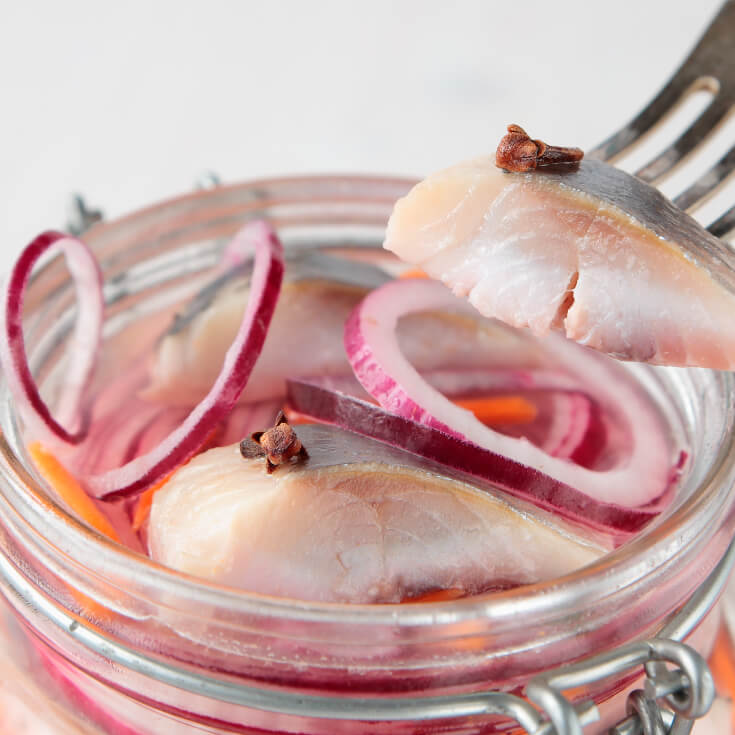
Bottom Line: Vitamin D Potential with a Well-Managed Sodium Strategy
Herring and pickled herring can be compelling sources of vitamin D potential—especially because herring is a fatty fish where fat-soluble nutrients tend to travel effectively into what you eat. But pickling adds a sodium dimension that deserves respect, not neglect.
Enjoy pickled herring as a flavorful highlight, manage portions, and consider rinsing or pairing thoughtfully. Doing so keeps the culinary romance intact while preventing brine from quietly dominating the day’s nutritional balance.
In the end, it’s a delicious paradox: the same characteristics that make pickled herring unforgettable—its briny preservation and bold tang—also require a mindful hand. When you handle that contrast well, the vitamin story becomes more than trivia. It becomes a practical, satisfying part of how you eat.