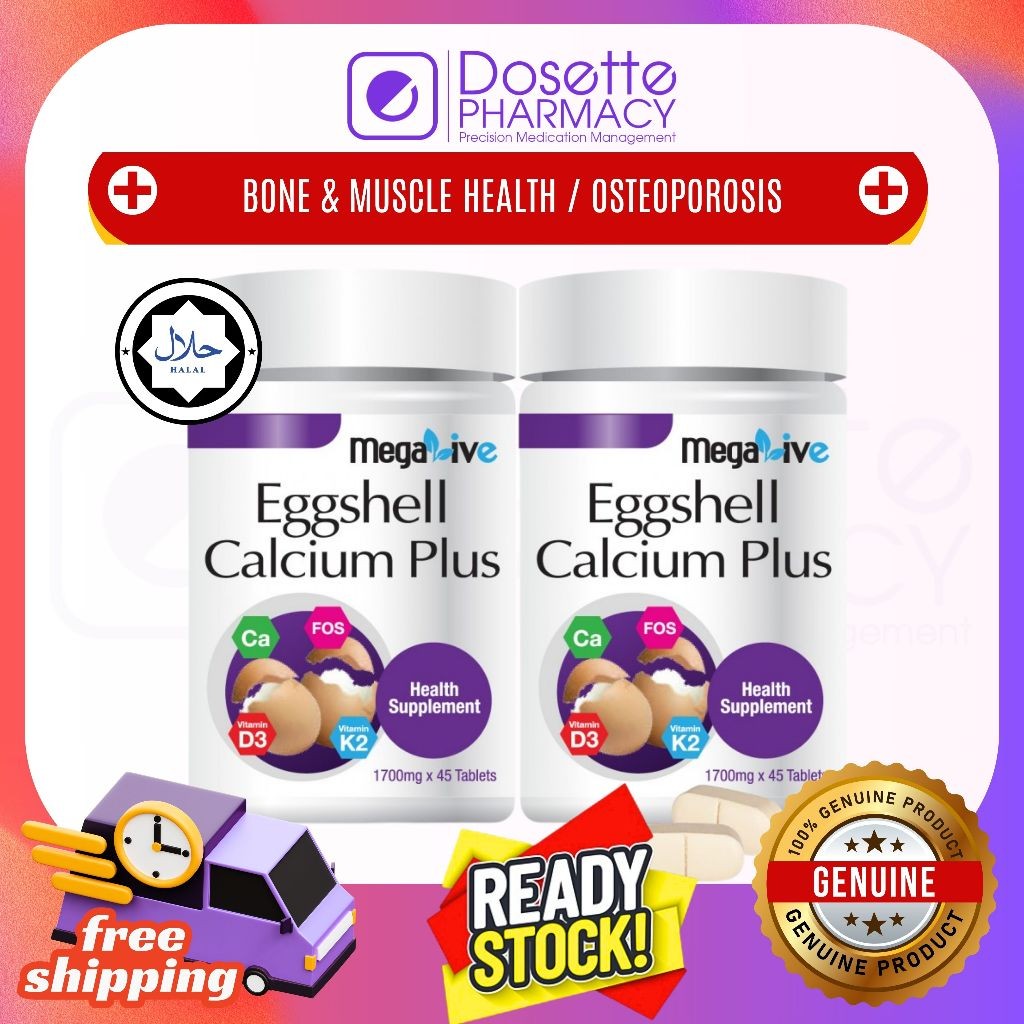
Calcium is the body’s quiet architect. It doesn’t shout. It simply builds—bone mineral by mineral—while you sleep, walk, and forget about the scaffolding entirely. Then there’s the oddest ingredient in the pantry: eggshell powder. Once the shell is cracked open, it looks like culinary detritus. Yet it carries a secret that feels almost alchemical. Still, truth matters more than romance. The real question isn’t whether eggshells contain calcium. It’s how usable that calcium is, what vitamin D does to the plot, and where the alluring “DIY supplement” narrative can drift into myth.
The eggshell: a ready-made mineral vault
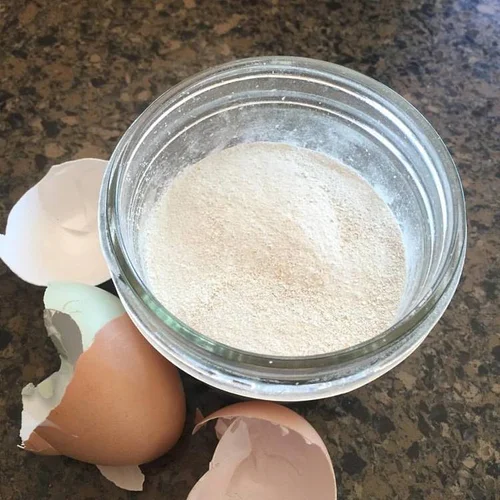
An eggshell is largely composed of calcium carbonate, a mineral with a chemical personality shaped by nature’s own design. Under a microscope, the shell resembles a porous mosaic—dense enough to protect the embryo, but structured so it can be made into powder with ordinary grinding. In that sense, the idea is compelling: you’re not inventing calcium. You’re reclaiming it.
But reclamation isn’t automatically bioavailability. Calcium carbonate is only useful after it meets the digestive environment, breaks down, and becomes absorbable. Think of it like a ship in a bottle. The bottle (your powder) may be intact, but the ship (absorption and metabolism) must still navigate through a crowded sea.
Powder form also matters. Too coarse, and the surface area shrinks—less contact with stomach acid, less conversion. Too fine without proper processing, and you might increase the risk of contamination. The shell’s mineral story is strong; the practical execution is where success or failure lives.

Calcium absorption: where the chemistry either sings or stumbles
Your intestines are choosy. Calcium absorption depends on how calcium is presented and how your stomach and gut behave. Calcium carbonate generally requires an acidic environment to dissolve. That means absorption can be less efficient in people with low stomach acid or those taking certain medications that neutralize it. In contrast, some forms of calcium—like calcium citrate—often dissolve more readily when stomach acidity is limited.
Absorption is also influenced by timing and “co-travelers.” Oxalates, certain fibers, and overall dietary patterns can alter calcium’s fate. Even the way you schedule doses can matter. A few larger doses can be less efficient than smaller, spaced amounts—your body’s absorption machinery often works in a limited rhythm.
So, eggshell calcium is not inherently useless. It’s more like a key cut from a familiar shape. It may open the door, but the lock expects precision: processing quality, dose size, and the physiology of the person holding the key.
Vitamin D: the conductor behind the bone-building orchestra
If calcium is the brick, vitamin D is the blueprint’s stage manager. Vitamin D helps your body absorb calcium from the gut and ensures it’s available for deposition into bone. Without enough vitamin D, calcium can pass through with less impact, like water running over dry sand instead of soaking in.
Picture vitamin D as a molecular usher. It guides calcium toward the right seats—into intestinal cells—and supports downstream processes that strengthen the skeletal structure. It doesn’t replace calcium. It calibrates calcium’s relevance.
This is why the “eggshell-only” narrative can feel incomplete. Many people focus on the source of calcium, but forget that the calcium’s performance depends on a supporting cast. Sunshine exposure, dietary vitamin D intake, and individual metabolism all influence whether eggshell calcium becomes a reliable contributor or a decorative ingredient.
Is eggshell calcium the same as supplement-grade calcium?
Here’s where the enchantment meets the ledger. Eggs shells vary. Chicken diet, processing methods, and storage conditions can change the final powder’s purity. A kitchen grinder is not a pharmaceutical mill. While calcium carbonate is the headline, there can be trace contaminants—microbes from handling, or even mineral impurities that come along for the ride.
Commercial eggshell calcium products often undergo more controlled processing and standardization. They may also include labeling that helps estimate dose and quality. Homemade powder can still be used thoughtfully, but it demands stricter hygiene and caution. The goal should be consistency, not just novelty.
Even the particle size distribution can affect dissolution. If the powder is too coarse, it may be less effective. If it’s prepared improperly, it might introduce safety concerns. The “best” choice is the one that aligns with both efficacy and risk management.
How much calcium do you actually need?
Calcium needs aren’t universal. They shift with age, sex, pregnancy status, and health conditions. Children and adolescents build peak bone mass. Adults maintain a slow, constant renovation. Older adults often face higher risk of bone loss. These are not small distinctions—they change the entire logic of supplementation.
Also, your total intake matters more than any single source. Milk, yogurt, fortified foods, leafy greens, beans, and certain fish all contribute. When someone adds eggshell powder on top of already adequate dietary calcium, the benefit may be modest. When someone has low intake and low vitamin D, the combination could be more meaningful.
The body doesn’t reward obsession with calcium. It rewards consistency with the whole system: calcium intake, vitamin D status, and overall dietary balance.
Unique appeal: the “reclaimed resource” metaphor
There’s something psychologically satisfying about eggshell calcium. It carries a story of reuse—a tiny metaphor for resilience. Food waste becomes purpose. A broken shell becomes a future-ready mineral. In a world full of throwaway habits, that transformation feels both grounded and strangely hopeful.
That uniqueness is not just aesthetic. It can increase adherence. People are more likely to stay consistent with a routine that feels personal and sustainable. Still, adherence should never outrun accuracy. The body is not impressed by sentiment. It responds to bioavailable nutrients, delivered responsibly.
So the allure is real, and the metaphor is strong. Just remember: calcium from eggshells is a tool, not a guarantee.
Safety considerations and common pitfalls
The most important pitfall is assuming “natural” means “automatically safe.” Eggshells can harbor bacteria if not properly cleaned and processed. Also, calcium supplements—whether eggshell-derived or factory-made—can cause side effects in some people, such as constipation, bloating, or nausea.
Another trap is overdoing it. Too much calcium can interfere with absorption of other minerals like iron and zinc, and may increase the risk of kidney stones in susceptible individuals. The safest approach is to consider eggshell calcium as an addition to diet, not a replacement for medical assessment.
If you have kidney disease, a history of stones, hypercalcemia, or you take medications that affect mineral absorption, consult a clinician. Bone health is too important for guesswork.
A practical way to think about the eggshell + vitamin D alliance
Consider this duo as a relay team. Calcium runs the distance by providing structure. Vitamin D sets the pace by improving absorption and guiding bone mineralization. Without vitamin D, calcium can lose steam. Without calcium, vitamin D has fewer materials to work with.
If you’re evaluating eggshell calcium, approach it as a component of a larger plan: check dietary calcium, ensure vitamin D adequacy through sunlight, diet, or supplementation when appropriate, and aim for processed products or preparations that emphasize cleanliness and consistency.
The truth is wonderfully balanced. Eggshell calcium isn’t a miracle, but it isn’t a myth either. It’s a reclaimed mineral with real potential—especially when vitamin D is present to unlock its usefulness.
Final thought: let the body do the alchemy
Bone is living architecture, built through biochemical craftsmanship. Eggshells can offer calcium, but vitamin D decides whether that calcium becomes structure or simply passes through. Choose the approach that respects both chemistry and physiology. Let the metaphor be poetic, and let the implementation be disciplined.
When calcium and vitamin D move together, the “broken shell” story becomes more than a quirky idea. It becomes a small, measurable contribution to long-term strength—steady, quiet, and real.