Imagine your stomach as a highly choreographed theater: acids are the spotlight operators, and enzymes are the actors that must be in the right lighting to perform. Proton Pump Inhibitors (PPIs) arrive like meticulous stage managers. They dim the acidity to protect the stage—relieving reflux, ulcers, and irritation. Yet in this quieter theater, certain performers may not move as expected. Calcium and other critical nutrients can become less “audible,” and some medications may lose their intended punch. The interaction between PPIs and Calcium/D is not merely a clinical footnote; it is a story about timing, chemistry, and the subtle physics of absorption.
PPIs as Acid-Control Architects
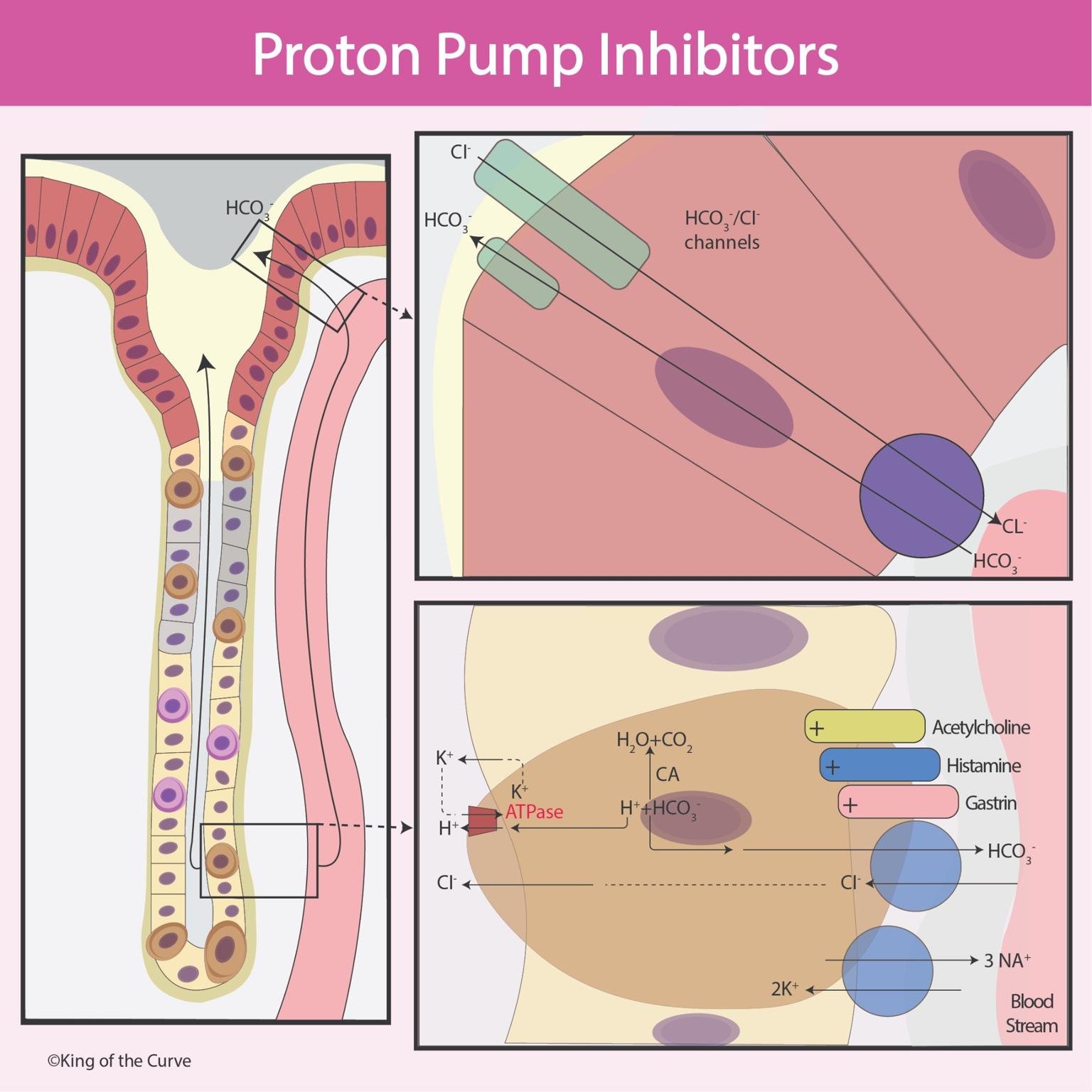
PPIs reduce gastric acid production by targeting the proton pumps in stomach lining cells. With fewer protons circulating, the environment becomes less acidic. This shift is helpful for healing. It also changes the solubility of compounds that prefer an acidic stage. Think of acid as a solvent: it helps certain molecules dissolve, unfold, and travel through the digestive maze. When the solvent is toned down, absorption can become less efficient for some substances—especially those whose bioavailability depends on a particular pH window.
The effect can be immediate or cumulative depending on dose and duration. Short-term use might produce modest changes; long-term use can create a persistent new “baseline” in the gut. That baseline influences calcium chemistry, vitamin D metabolism, and even the way minerals interact with dietary companions.
Calcium in the Stomach: A Matter of Dissolution
Calcium is a mineral with a split personality. Different calcium salts behave differently in the stomach. Calcium carbonate is generally more sensitive to acidity because it requires a sufficiently acidic environment for optimal dissolution. If PPIs raise gastric pH, the carbonate form may dissolve less readily, particularly when taken without food.
Calcium citrate is more forgiving. It does not rely as heavily on low gastric pH and tends to dissolve better under less acidic conditions. In practical terms, the “route map” for calcium becomes smoother with citrate. It’s like switching from a steep mountain road to a well-lit highway—same destination, easier travel.
Consider this: if calcium doesn’t dissolve efficiently, it may reach the small intestine less prepared for absorption. The body can’t absorb what it can’t effectively render available.

Vitamin D (and the D Chain Reaction)
Vitamin D is the backstage mentor for calcium. Without adequate vitamin D activity, calcium may be present but poorly utilized. Vitamin D helps increase intestinal calcium absorption and supports mineralization in bone tissue. With PPIs, the concern is not that vitamin D disappears instantly—it’s that downstream processes can become indirectly affected over time.
Several mechanisms can contribute. Gastric acid reduction may influence the release of nutrients from food. It may also alter the absorption of certain compounds involved in vitamin metabolism. Additionally, individuals on chronic PPI therapy may have changes in diet patterns, mobility, or concurrent medications that further influence vitamin D status.
The unique appeal of this interaction is its “domino effect.” PPIs adjust the pH environment. That influences digestion and absorption. Then vitamin D’s role becomes more conspicuous—either as a stabilizer or as a missing link. Monitoring and thoughtful supplementation can help maintain continuity in the mineral storyline.
Timing and Formulation: The Hidden Levers
Not all calcium supplements are created equal, and not all dosing strategies are equally elegant. Timing can be everything. Calcium carbonate often performs best when taken with meals, when stomach pH and digestive conditions align more favorably. If PPIs are taken before meals (as commonly recommended), calcium carbonate taken at the wrong time may face the least acidic environment—like trying to dissolve sugar in ice water.
Calcium citrate can often be taken with or without meals and may be less constrained by gastric acidity. This flexibility is appealing, especially for people who take PPIs consistently and want a predictable supplement schedule.
Medication timing matters too when multiple therapies coexist. If other drugs require an acidic environment for absorption or have pH-sensitive dissolution, the PPI can become an “unintended composer,” altering the final harmony. Strategically spacing doses may restore some of the original rhythm.
Bone Health and the Long Horizon
When PPIs are used long term, bone health enters the spotlight. Calcium and vitamin D are foundational for maintaining bone density and remodeling. If absorption efficiency subtly declines, the body may compensate—sometimes successfully, sometimes not.
Research and clinical observation have raised concerns about increased fracture risk in some populations with prolonged PPI use, particularly where baseline vitamin D or calcium intake is insufficient. It is not a universal outcome; individual risk depends on age, sex, underlying bone health, lifestyle factors, and the presence of other medications such as glucocorticoids.
Think of bones as libraries of mineral “stacks.” Over time, if replenishment shipments are delayed, shelves can thin. The goal is not panic—it is preparedness. Ensuring adequate calcium and vitamin D, evaluating risk factors, and using the lowest effective PPI dose when possible can help keep the library standing.
Drug–Nutrient Interplay: More Than Calcium
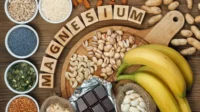
PPIs can also influence the absorption of other nutrients and minerals, such as magnesium and iron. Magnesium participates in vitamin D metabolism and can indirectly affect calcium handling. Iron absorption may change due to altered gastric pH, which can compound nutritional strain.
This broader landscape gives the PPI–calcium/D interaction extra intrigue: it is part of a larger “nutrient ecosystem.” Correcting one missing element may not fully solve an imbalance if other partners are also under-supplied.
In day-to-day care, clinicians may consider comprehensive nutritional assessment rather than focusing on a single variable. That holistic approach can feel like upgrading from a single flashlight to a wide-angle lens.
Who Should Pay Extra Attention?
Certain groups may benefit from additional vigilance: older adults, people with osteoporosis or osteopenia, those with low dietary calcium intake, individuals with limited sun exposure, and patients using PPIs for extended durations. Concurrent medications—especially those affecting bone metabolism—can magnify risk.
Also consider those with malabsorption conditions, chronic kidney disease, or gastrointestinal disorders affecting nutrient uptake. When absorption is already compromised, adding pH modulation from PPIs can further tilt the balance.
The unique appeal here is empowerment: awareness turns uncertainty into a plan. Proactive discussions about supplementation and monitoring can shift the narrative from reactive care to guided prevention.
Practical Strategies: A Thoughtful, Professional Approach
Practical steps often include choosing the most suitable calcium salt (frequently favoring citrate when gastric acidity is reduced), aligning supplementation with meals when appropriate, and ensuring vitamin D adequacy based on individual needs. For some patients, periodic lab assessment—such as vitamin D levels and relevant mineral markers—may provide clarity.
Lifestyle measures also matter: weight-bearing exercise stimulates bone remodeling. Adequate protein supports structural maintenance. Sensible sunlight exposure can help maintain vitamin D status, though supplementation may still be required.
Finally, PPI therapy itself should be reviewed. If symptoms improve, clinicians may consider step-down strategies, dose reductions, or non-pharmacologic reflux measures when appropriate. The aim is not to remove protection but to refine it—to keep the theater functional without over-dimming the stage for everything else.
The Metaphor Concludes: Conserving the Stage, Protecting the Cast
PPIs are not villains; they are careful technicians, lowering acid to heal. Yet calcium and vitamin D must still receive their cues. In this story, dissolution, timing, and metabolism decide whether the cast can perform their roles in harmony.
When calcium is selected thoughtfully and vitamin D adequacy is supported, the theater regains its balance. The spotlight remains soothing for the stomach, while the mineral ensemble continues its work—quietly, steadily, and with remarkable resilience over the long horizon.