Strong bones are not a static asset; they’re living architecture, constantly remodeled by specialized cells that build, revise, and occasionally repair. Two nutrients sit at the center of this orchestration: vitamin D and calcium. People often ask for a single “perfect ratio,” but bone health is rarely that simple. Absorption kinetics, hormonal signaling, dietary context, and individual physiology can shift what “best” means. Still, a practical ratio framework can help readers understand how to coordinate vitamin D and calcium intake for resilient skeletal structure.
Why Vitamin D and Calcium Work as a Tandem
Calcium is the mineral scaffold of bone. It provides the rigidity that allows your skeleton to resist compressive forces. Yet calcium alone doesn’t automatically become bone. Vitamin D functions like a biochemical key, enabling intestinal absorption and supporting coordinated mineralization. In plain terms: calcium supplies the building material, and vitamin D helps your body actually use it.
When vitamin D is insufficient, calcium may be poorly absorbed, leaving blood calcium dependent on bone resorption—a process the body will perform if it must, but one that undermines long-term bone density. This is why many guidelines revolve around adequate vitamin D status, not calcium in isolation.
Understanding the “Ratio” Concept (And Why It’s Not a Single Number)
Readers often interpret ratio as a fixed ratio of grams of calcium to micrograms (or IU) of vitamin D. In reality, bone health hinges on “effective delivery,” not just arithmetic. Vitamin D influences absorption efficiency, while calcium intake influences the substrate available for mineral deposition.
A useful way to think about ratio is as a coordination target: vitamin D high enough to facilitate meaningful calcium absorption, without overshooting into safety concerns. Depending on baseline vitamin D levels, sun exposure, and dietary patterns, the optimal coordination can vary substantially.
Typical Practical Targets: Coordinating Daily Intake
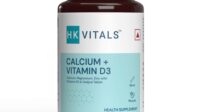
For most adults, a common practical approach is to pair calcium intake with an amount of vitamin D that supports absorption. Many nutrition frameworks aim for roughly 1000 mg of calcium per day alongside about 600–800 IU of vitamin D for general maintenance. Some individuals—especially older adults, those with limited sun exposure, darker skin phototypes, or malabsorption risks—may require higher vitamin D under professional guidance.
While this is not a universal ratio, it functions as a “default coupling.” Imagine it as a duet: calcium provides the notes, vitamin D sets the tempo for how effectively those notes become bone mineral.
Bone Physiology: Remodeling, Hormonal Signaling, and Mineralization
Your skeleton is dynamic. Osteoblasts build; osteoclasts resorb; osteocytes coordinate and sense strain. Vitamin D participates in gene regulation related to calcium transport proteins. Calcium, meanwhile, contributes to hydroxyapatite formation—the crystalline structure that stiffens bone.
Parathyroid hormone (PTH) is another key mediator. When vitamin D is low, calcium absorption can drop, triggering higher PTH. Elevated PTH can increase bone turnover, which may gradually erode bone density. Adequate vitamin D helps stabilize calcium absorption and can moderate PTH-driven remodeling dynamics.
How Age, Sex, and Life Stage Shift the “Best” Ratio
Age changes physiology. In childhood and early adulthood, bone accrual dominates; later, remodeling leans toward net loss unless intake and activity support balance. Vitamin D production from skin declines with age, partly due to reduced 7-dehydrocholesterol concentration and changes in skin efficiency.
After menopause, estrogen decline affects bone turnover and may elevate resorption. For many people in these life stages, the “best” coordination tends to emphasize sufficient vitamin D alongside adequate calcium, with adjustments based on baseline serum vitamin D and dietary habits.
Dietary Calcium Sources: Bioavailability Matters
Not all calcium is equal in practice. Calcium from dairy (milk, yogurt, cheese) is typically well tolerated and often comes packaged with protein and phosphates that can support mineral handling. Leafy greens such as kale and bok choy contain calcium too, though oxalates in some greens can reduce absorption.
Calcium-fortified beverages and certain mineral-rich waters can contribute meaningfully. For some individuals, calcium supplements become necessary due to low dietary intake. In that case, smaller divided doses can enhance absorption compared with large single servings.
Vitamin D Sources: Sunlight, Food, and Supplements
Vitamin D can be synthesized in the skin with adequate UVB exposure. However, modern lifestyles, latitude, seasonality, cloud cover, sunscreen use, and clothing coverage can drastically affect production. Dietary sources include fatty fish (like salmon), fortified foods (such as milk or plant-based milks), and egg yolk. Still, food alone often falls short of maintaining optimal vitamin D status.
Supplements can bridge the gap. Yet choice matters: vitamin D3 (cholecalciferol) is frequently used and can be more effective for raising serum 25(OH)D in many contexts. The best ratio therefore may depend on whether vitamin D is achieved through sunlight, diet, or supplementation.
Absorption and Timing: When You Take It Can Change the Outcome
Calcium absorption is saturable. Your gut can absorb only so much calcium at a time, and the efficiency decreases when intake is very high in a single dose. Many practitioners suggest dividing calcium doses—especially if using supplements—into portions of about 500 mg or less.
Vitamin D doesn’t require immediate pairing with calcium, but coordinated routines can be beneficial. A calm, consistent schedule—such as taking vitamin D with a meal containing fat and spacing calcium throughout the day—can support steadier absorption patterns.
Lab Markers: The Missing Piece Behind “Best Ratio” Claims
Instead of guessing, consider monitoring. Serum 25-hydroxyvitamin D (25(OH)D) is the standard marker for vitamin D status. Calcium levels in blood don’t always reveal intake adequacy, because the body tightly regulates circulating calcium and can borrow from bone when necessary.
For calcium, 24-hour dietary recall and, in certain clinical settings, urinary calcium can inform whether intake is sufficient and whether absorption is appropriate. Bone mineral density scans (DXA) provide structural outcomes, but those changes take time. In other words, lab markers show the “inputs and signals,” while DXA shows the “architectural results.”
Risk Management: Safety Ceilings and Unwanted Extremes
More is not always better. Excess vitamin D can raise blood calcium, potentially leading to hypercalcemia, kidney strain, and other complications. Excess calcium can also contribute to constipation and, in some cases, increase kidney stone risk—particularly for those predisposed.
A balanced ratio aims for sufficiency, not excess. Readers should treat supplementation as a targeted strategy, not a blanket assumption. Clinical conditions such as hyperparathyroidism, granulomatous diseases, renal impairment, or certain medications can alter safe targets.
Vegetarian, Lactose-Intolerant, and Malabsorption Scenarios
Dietary patterns can turn a nominal ratio into an actionable challenge. Lactose intolerance may reduce dairy intake, but lactose-free dairy or yogurt often remains tolerable. Plant-based diets can still achieve calcium adequacy using fortified foods and calcium-rich plant sources, though absorption variability is higher and requires attention.
Malabsorption conditions (such as celiac disease, inflammatory bowel disease, or after certain bariatric surgeries) can reduce both calcium and vitamin D absorption. In these scenarios, the “best ratio” may shift because standard intake amounts may not translate into effective absorption. Medical guidance becomes especially important.
Bone-Health Synergy: Beyond Nutrition
Calcium and vitamin D are necessary, but they are not solitary heroes. Weight-bearing exercise stimulates osteoblast activity and helps bones adapt to mechanical demand. Resistance training improves muscle strength, which indirectly supports bone by improving balance and reducing fall risk.
Lifestyle factors matter as well: smoking can impair bone remodeling; excessive alcohol can disrupt bone formation and increase fracture risk. Even sleep quality can influence endocrine patterns that affect bone metabolism. Nutrition provides the substrate and signals; activity provides the stress cues that make bone worth building.
Practical “Ratio” Planning: How Readers Can Build a Daily Strategy
A thoughtful plan begins with diet inventory. Estimate calcium intake from food first. Then assess vitamin D status indirectly: consider season, geographic latitude, skin exposure habits, and dietary vitamin D sources. If food and sunlight are insufficient, supplementation may be necessary to reach a functional vitamin D level.
From there, coordinate timing: take vitamin D with a meal, and distribute calcium across the day if supplementing. Finally, reassess. When possible, periodic lab review can refine targets and prevent drifting into under- or over-shooting.

Conclusion: The Best Ratio Is the One That Achieves Effective Absorption
The best ratio of vitamin D to calcium for bone health is best understood as coordination: vitamin D sufficient to optimize calcium absorption, paired with calcium intake adequate to supply mineral for bone remodeling. Because physiology varies with age, diet, sun exposure, and health conditions, the ideal “number” cannot be universally pinned down. Yet a practical coupling—paired with sensible timing and safety awareness—can guide readers toward skeletal resilience that lasts.