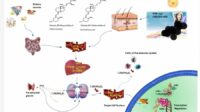
Imagine vitamin D as a sunlit match, waiting in your palm. Sleep is the lantern that keeps the flame from going out, while stress is the draft that steals warmth before it can glow. When these three forces braid together—nutrient, rest, and emotional regulation—your immune system gains a steadier rhythm. Not just “more defense,” but better timing: the ability to respond swiftly, repair thoroughly, and remember wisely. The result is a kind of internal choreography, where every night becomes a rehearsal and every morning becomes a reset.
Vitamin D: The Immune System’s Quiet Architect
Vitamin D isn’t only about bone strength; it behaves like a regulatory conductor. It nudges the immune system toward balance—supporting antimicrobial defenses, influencing inflammation, and tuning how immune cells communicate. Think of it as a dimmer switch for intensity: not turning everything up, but ensuring the volume is appropriate for the moment.
When vitamin D levels are insufficient, the immune response can feel like a radio with weak signal—sometimes present, sometimes garbled. Your body still works, but it loses some crispness. Over time, that lack of precision may correlate with frequent illness, slower recovery, or lingering fatigue after immune challenges.
Common sources include sunlight exposure, fortified foods, and supplementation. Yet the practical question is always the same: how do you make vitamin D a daily ally rather than an occasional coincidence? The answer begins by pairing it with the other two pillars—sleep quality and stress control—because the body doesn’t act in isolation. It integrates.
Sleep: The Night Shift That Builds Immunity
Sleep is not passive downtime; it’s active maintenance. During the night, your body performs cellular housekeeping, calibrates immune signaling, and restores the nervous system’s equilibrium. If vitamin D is the architect, sleep is the construction schedule—structuring the timing of repair processes.
In vivid terms, sleep is a “phase-change” period. Your physiology shifts from daytime vigilance to nighttime restoration. The immune system uses that window to manage inflammation, clear debris, and prepare for the next day’s demands. Less sleep can mean more inflammatory noise, poorer barrier function, and a sluggish response when pathogens arrive.
Consider how even mild sleep disruption can ripple through the day: irritability increases, attention narrows, and stress resilience weakens. And when resilience weakens, vitamin D’s benefits are harder to fully utilize. In other words, sleep quality is the amplifier; vitamin D is the signal.
Stress: The Thief of Sleep and the Fog of Immunity
Stress has a talent for mimicry. It can imitate normal fatigue, disguise itself as “just being busy,” and still disrupt hormones that govern both sleep and immune balance. Cortisol—often elevated during chronic stress—can interfere with circadian timing and delay the body’s transition into restful states.
When stress persists, the immune system can become over-alerted or under-coordinated. The result is a paradox: you may feel both run-down and persistently inflamed. That “fog” can change how you perceive symptoms, prolong recovery, and intensify vulnerability.
Metaphorically, stress is a drummer that never stops. Even if vitamin D provides the melody and sleep provides the stage, the constant beat can prevent harmony. To combine vitamin D with immune power, stress must be treated as a variable you can influence—not an inevitable weather system.
How to Pair Vitamin D with Sleep: Timing, Consistency, and Circadian Respect
Combining vitamin D with sleep is largely about consistency and circadian alignment. While vitamin D can be taken at different times depending on personal tolerance, many people find that daytime or with a meal works best for adherence and absorption. The goal is to avoid turning supplementation into a nightly ritual that disrupts bedtime routines.
Think of it as planting a seed earlier in the day so it can sprout without stealing the night’s attention. If vitamin D helps your immune regulation, you still want sleep to do what sleep does best—sleep.
Practical strategies include maintaining a steady supplementation schedule, pairing it with a routine (breakfast or lunch), and using it alongside sleep hygiene: a regular wake time, dimming lights in the evening, and keeping the bedroom cool and quiet. Small actions compound.
If you’re also addressing low sunlight exposure—especially during colder months—vitamin D becomes even more valuable. But the immune payoff is strongest when sleep is protected like a sacred appointment.

How to Pair Vitamin D with Stress: Make the Nervous System a Co-Author
Stress reduction isn’t simply about “feeling better.” It changes neuroendocrine signaling, which influences immune behavior. Vitamin D’s immunomodulatory effects can be more effective when your body isn’t locked in a persistent threat-response mode.
Choose stress tools that you’ll actually practice. Short options include breathing protocols (slow exhalation to encourage parasympathetic tone), progressive muscle relaxation, and brief mindfulness cues. Longer options can include regular walking, structured therapy, or body-based interventions like gentle yoga.
Picture stress control as clearing static from a radio. Vitamin D becomes clearer when the signal-to-noise ratio improves. If your mind is constantly scanning for danger, your immune system may interpret everything as urgent. Lowering that urgency helps the immune response become proportionate.
The Immune “Feedback Loop”: When the Trio Works Together
The most compelling reason to combine vitamin D, sleep, and stress management is the feedback loop. Better sleep lowers stress reactivity. Lower stress improves sleep depth. Adequate vitamin D supports immune signaling, which can reduce the “wear and tear” you feel when you’re fighting or recovering.
It’s a self-reinforcing cycle, like a well-designed ecosystem. A solitary change helps, but the combined approach creates resilience. The immune system prefers patterns over randomness: consistent nutrient status, consistent rest timing, and consistent emotional steadiness.
This is where “immune power” becomes more than a slogan. You’re cultivating immune agility—the capacity to respond, calibrate, and return to baseline efficiently.
Building Your Daily Routine: A Practical, Metaphor-Laced Blueprint
Start with a rhythm you can sustain. Pair vitamin D intake with a regular meal earlier in the day. Then protect your sleep window with cues: dim lights, reduced screen brightness, and a calming transition ritual—perhaps a warm shower, a short reading session, or gentle stretching.
For stress, select one anchor practice for the day’s most demanding moments. A 2-minute breathing reset before a meeting. A mindful walk between tasks. A brief journaling session to offload cognitive clutter. Stress doesn’t only live at night; it often starts in the daytime and drifts into bedtime unless interrupted.
Finally, keep your expectations realistic. The immune system doesn’t transform overnight. Vitamin D adjustment may take time, sleep patterns usually improve gradually, and stress relief becomes more reliable with repetition.
When to Consider Testing, Dosing, and Safety
Because vitamin D is fat-soluble, excessive supplementation can be harmful. For that reason, it’s wise to consider blood testing—especially if you have limited sun exposure, darker skin tones, certain medical conditions, or a history of deficiency. A clinician can help interpret results and recommend an appropriate dose.
Sleep and stress strategies are low-risk and broadly beneficial. Yet supplementing should be treated like engineering, not guessing. The best immune outcomes come from accurate inputs and respectful pacing.
If you experience persistent fatigue, frequent infections, or symptoms that suggest hormonal or metabolic issues, professional guidance can clarify the root cause. Immune power is strongest when the foundation is understood.
Unique Appeal: The Calm That Guards You
Many health approaches focus only on one lever: nutrients, supplements, sleep schedules, or stress tools. The unique appeal of this combined method is elegance. Vitamin D supports immune regulation; sleep grants repair time; stress control reduces inflammatory distortion. Together, they create a calmer interior climate.
It feels like building a well-lit home inside your body—one where the windows (sleep quality) are kept clean, the thermostat (stress physiology) is managed, and the furnace (immune competence) is properly fueled. The night becomes less of a struggle and more of a deliberate restoration.
When the trilogy aligns—sun-derived support, nightly rebuilding, and stress steadiness—your immune system doesn’t just defend. It harmonizes.