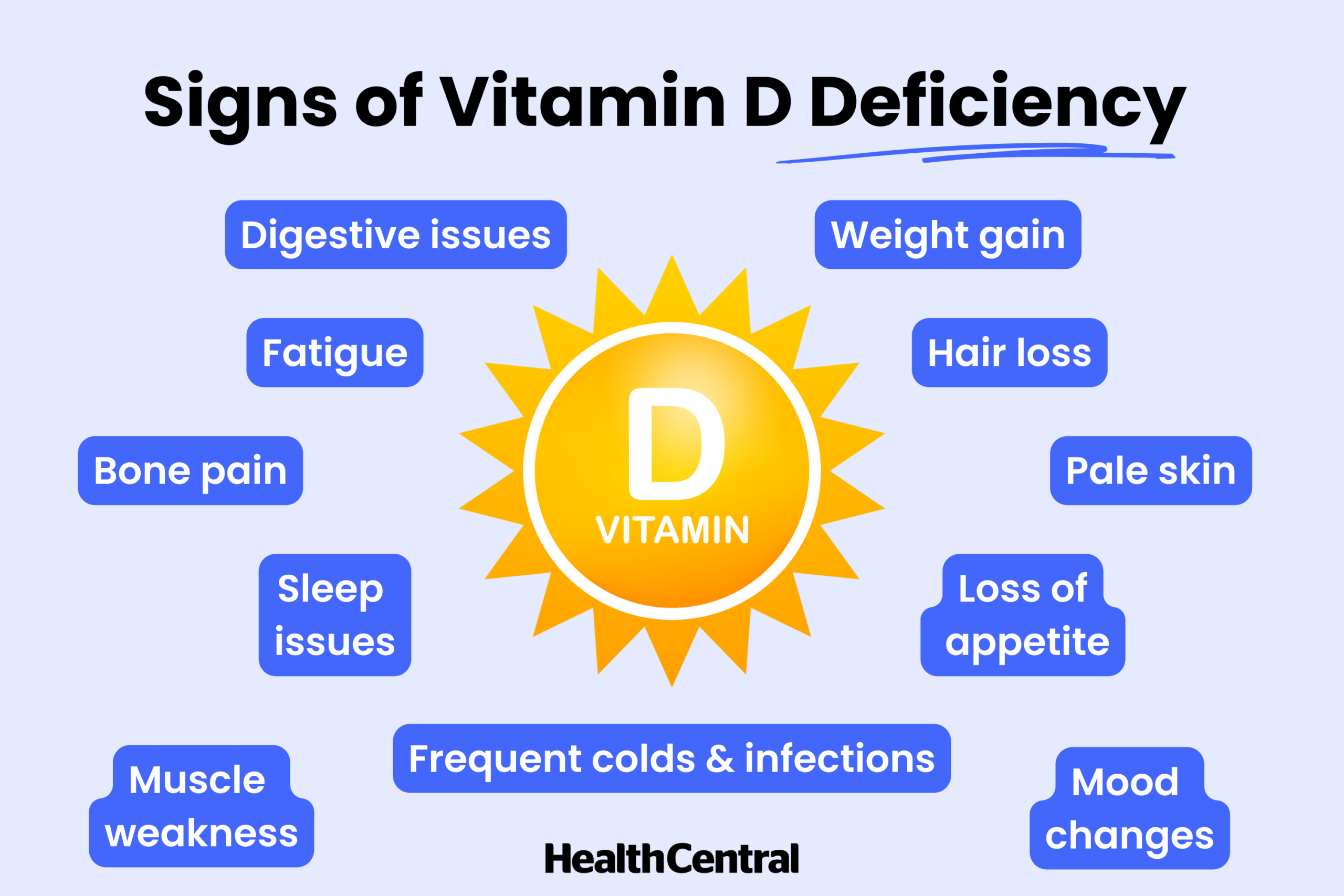
Imagine feeling “down” without a clear reason—your mind foggy, your body heavy, your motivation frayed. Now imagine a gentler plot twist: a vitamin you already need, but may not be receiving in sufficient amounts. Vitamin D deficiency can masquerade as depression, mimic the weariness of aging, and quietly nudge your mood off course. Below are seven subtle signs that deserve a second look—because sometimes the most meaningful changes begin with something surprisingly small.
1) A Clouded Mood That Feels Unexplained
Depression is often described as a persistent low mood. But vitamin D deficiency can create something similar—an inward dimness that seems to arrive without narrative or provocation. You may notice emotional flatness, irritability, or a reluctance to engage with life’s ordinary pleasures. Short-term sadness can be normal; persistent melancholy that doesn’t align with events can be another story.
What makes this sign especially confounding is its “indirectness.” Vitamin D influences neurotransmitter pathways involved in mood regulation. When levels are low, your brain may receive signals that are slightly out of tune—like a radio that never quite finds the station. The result can feel eerily like depression, yet it may be partially biochemical rather than purely psychological.
2) Fatigue That Sits in Your Bones Like Humidity
Fatigue is common, but vitamin D deficiency often delivers a particular flavor of it: profound, persistent exhaustion that doesn’t fully lift after rest. You might sleep longer and still feel wrung out. Morning can feel like a negotiation. Even simple tasks may require extra effort, as if your energy stores are running on low voltage.
This fatigue can resemble aging because older adults frequently report reduced vitality. Yet the timeline matters. If fatigue is ramping up quickly, or if it appears alongside mood changes, limited outdoor time, or dietary gaps, vitamin D deficiency becomes a more plausible suspect.
3) Muscle Weakness and Achy Discomfort Masquerading as “Just Getting Older”
One of the most persuasive disguises is discomfort. Low vitamin D can contribute to muscle weakness, aching, and generalized body soreness. You may feel it in your thighs, back, hips, or across multiple areas. Climbing stairs becomes more demanding. Getting up from a chair takes more effort. These sensations can easily be filed under “normal aging.”
But there’s a difference between occasional stiffness and an ongoing pattern of muscular fatigue. Vitamin D plays a role in calcium absorption and muscle function. When it’s lacking, the body may struggle to maintain proper neuromuscular coordination—leading to soreness that feels oddly diffuse, as if your muscles are speaking in a lower-volume language.

4) Low Motivation, Reduced Focus, and “Mental Fog”
Depression and cognitive dulling often overlap. Vitamin D deficiency can echo that overlap. You may experience reduced concentration, slower thinking, or a sense that your brain is wrapped in soft cotton. Forgetfulness can increase. Decisions feel heavier. Creativity dims. Even when you want to act, you may feel mentally reluctant—as if the “initiation switch” is stuck.
Short sentences can say a lot here: you can feel present, but not fully engaged. You can be tired, but not sleepy. This combination—low mood plus cognitive haze—can sometimes point to vitamin D deficiency rather than a purely emotional origin.
5) Sleep Disturbances and Rest That Doesn’t Feel Restorative
Sleep is where many subtle signals collect. If you struggle to fall asleep, wake frequently, or feel unrested even after a full night, your mood can suffer. Sleep fragmentation can imitate or worsen depressive symptoms. Vitamin D deficiency has been associated with altered sleep patterns, possibly through pathways involving circadian regulation and inflammation.
So you may experience a feedback loop: low vitamin D contributes to poor sleep quality; poor sleep then amplifies emotional downturn. It becomes difficult to separate cause from effect. The most revealing question is not only, “How do I feel?” but also, “What changed first?”
6) Changes in Appetite, Cravings, and a Distinct “Drained” Feeling
Some people notice emotional changes first; others notice physical cravings. Vitamin D deficiency may be accompanied by appetite shifts or carbohydrate cravings that feel strangely insistent. This is not about willpower. It’s about biology nudging behavior.
When your body is under-resourced, it may seek quick energy and comfort. Mood can follow. You may feel emotionally “flattened,” not necessarily sad in a dramatic way—more like your internal weather system is constantly overcast. This can be mistaken for depression severity or for the gradual dulling associated with aging.
Notice patterns. If your eating rhythm changed along with mood and fatigue, it’s worth considering nutritional contributors, including vitamin D status.
7) Bone-Deep Sensations and Higher Sensitivity to Movement-Related Discomfort
Vitamin D is closely tied to skeletal health. Deficiency can contribute to bone or joint discomfort, and in some cases, it increases susceptibility to musculoskeletal problems. You might feel tenderness, a lingering ache after activity, or a general sense that your body is more fragile than it used to be.
When people start to slow down—moving less, stepping more carefully—they may label it as “getting older.” Yet sometimes the body is responding to deficiencies rather than inevitable time. The more your discomfort correlates with limited sun exposure, indoor lifestyles, darker seasons, higher latitude, or dietary constraints, the more vitamin D rises on the list of probable explanations.
The Shift in Perspective: From “I’m Depressed” to “My Body Might Be Signaling”
Here is the perspective that can change everything: feelings are real, but their causes can be layered. A person can experience depression-like symptoms while also having reversible nutritional drivers. Vitamin D deficiency does not negate emotional realities. It simply expands the map of what might be influencing your mood, energy, and physical resilience.
If these seven signs resonate—especially when fatigue, aches, sleep issues, and cognitive fog cluster together—consider discussing vitamin D testing with a healthcare professional. Measurement matters. The goal isn’t guesswork; it’s clarity. And clarity often carries hope.
Curiosity in Action: What to Look For Next
Start observing trends. How often do you get daylight exposure? Do you avoid the sun or primarily stay indoors? Has your diet changed? Are you experiencing seasonal swings? Do you notice that mood and energy worsen alongside these conditions?
Then, take one more step of curiosity: review medications or health factors that can affect vitamin D metabolism. Some conditions, and certain medicines, can interfere with absorption or activation. When you understand the context, your next move becomes more intelligent—and less exhausting.
Vitamin D deficiency can wear many disguises: depression-adjacent sadness, aging-like fatigue, and body discomfort that feels inevitable. Yet the narrative can bend. With proper evaluation and a thoughtful approach, the same days that felt heavy can begin to feel lighter—like the first honest ray of sunlight breaking through a familiar gray.