Ever felt like your nose has a weather system of its own—constantly damp, congested, and somehow perpetually irritated? Now imagine a quiet molecular “helper” quietly patrolling the immune landscape, influencing inflammation, epithelial resilience, and even the way your sinuses speak to the rest of your body. That’s where vitamin D enters the story. But here’s the playful challenge: what if the missing ingredient in chronic rhinosinusitis isn’t a medication at all, but a biochemical baseline you never measured?
Vitamin D: More Than a Sunshine Vitamin
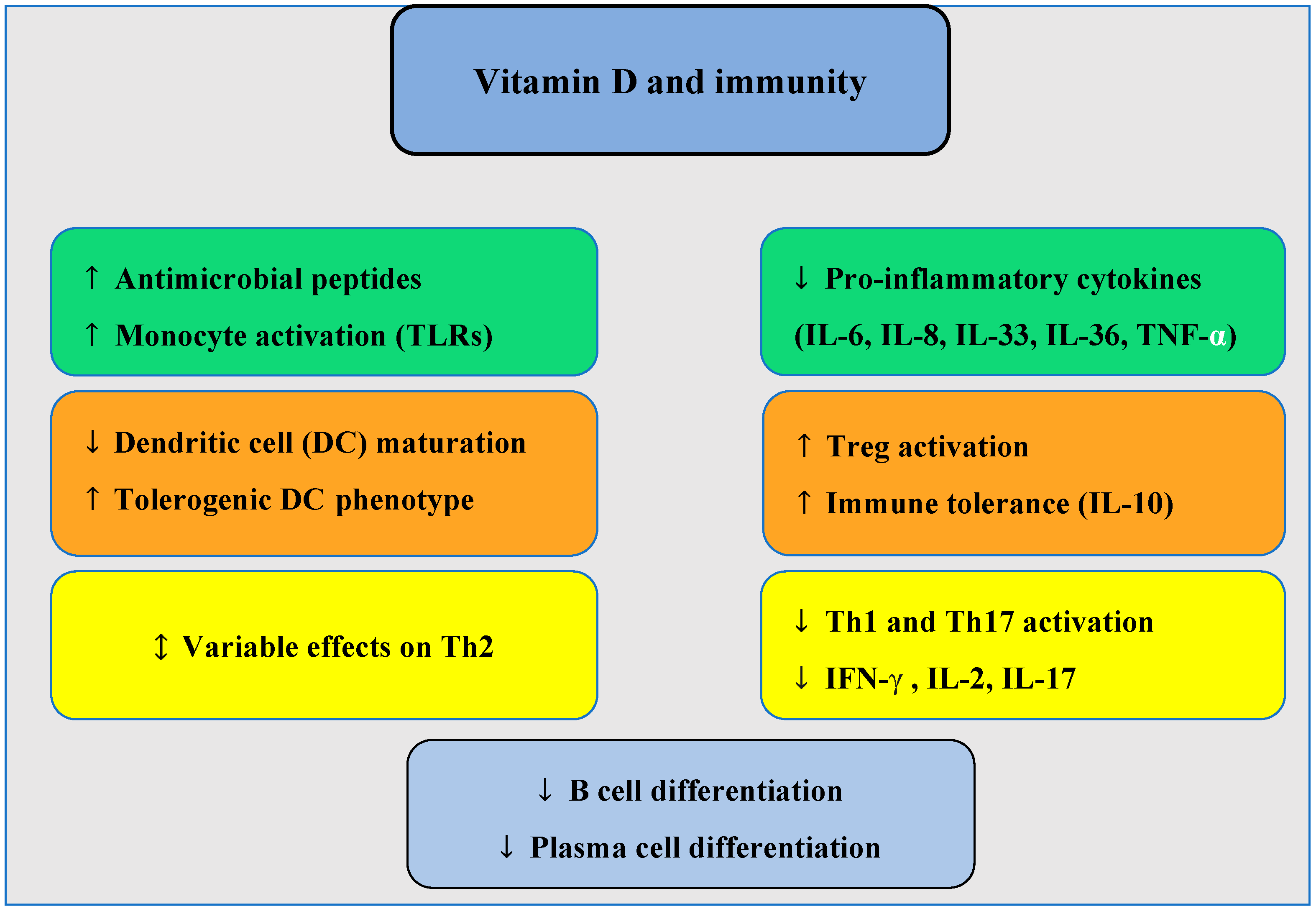
Vitamin D is often reduced to a wellness slogan—sun, supplements, done. Yet biologically, it behaves less like a simple nutrient and more like a hormone-like immunomodulator. When vitamin D is available, it supports a cascade of events that affect innate defenses (your rapid, first-response system) and adaptive coordination (the longer-term, antibody-and-T-cell theater).
In sinus tissue, this is not a trivial distinction. Chronic rhinosinusitis involves persistent inflammatory signaling, mucosal edema, and frequent remodeling of the local environment. Vitamin D’s immunoregulatory roles can influence how loudly inflammatory pathways “shout,” and how effectively they eventually “learn to whisper” again.

The Sinus Battlefield: What Chronic Rhinosinusitis Really Means
Chronic rhinosinusitis is not merely “a bad cold that never leaves.” It is a sustained inflammatory condition of the nasal passages and paranasal sinuses. Symptoms may include nasal congestion, facial pressure, postnasal drip, reduced smell, and sometimes nasal polyps.
The persistent nature is the key. If inflammation keeps reigniting—whether due to microbial shifts, immune dysregulation, or barrier dysfunction—then the mucosa remains stuck in an inflammatory feedback loop. That loop can involve cytokines, oxidative stress signals, and impaired mucociliary clearance. In this context, vitamin D becomes relevant because it is intertwined with immune modulation and barrier-related processes.
Think of the sinus lining as an overprotective bouncer. When vitamin D signaling is inadequate, the bouncer may become overzealous—letting in “nuisance noise” while escalating inflammation even when it should calm down.
Vitamin D and Nasal Polyps: A Question of Immune Temperature
Nasal polyps represent a particularly burdensome phenotype. They are associated with chronic inflammation and, in some cases, type 2 inflammatory patterns. Vitamin D’s influence on immune “temperature” can matter here, because immune balance determines whether tissues shift toward chronic swelling and polyp formation.
Some narratives in clinical research suggest that vitamin D deficiency may coincide with more persistent disease activity, particularly among people who struggle with chronic rhinosinusitis with nasal polyps. This doesn’t mean vitamin D is a standalone cure. Instead, it suggests a potential role in shaping the inflammatory milieu in which polyps thrive.
Here’s the playful twist: if your sinuses are living in “always-on” mode, vitamin D might be one of the dials that affects how quickly the system can downshift.
Does Vitamin D Deficiency Predict Worse Outcomes?
It’s tempting to ask a simple question—“Is low vitamin D bad for sinusitis?”—but biology rarely respects simple formatting. Vitamin D deficiency is common in many populations due to limited sunlight exposure, indoor lifestyles, dietary patterns, darker skin pigmentation, and certain medical conditions that reduce absorption or increase loss.
When deficiency exists, inflammatory regulation can be less effective. This can plausibly contribute to a more resistant inflammatory state. In practical terms, deficiency may not be the sole cause of chronic rhinosinusitis, but it can act as a complicating factor—like adding extra friction to an already difficult recovery process.
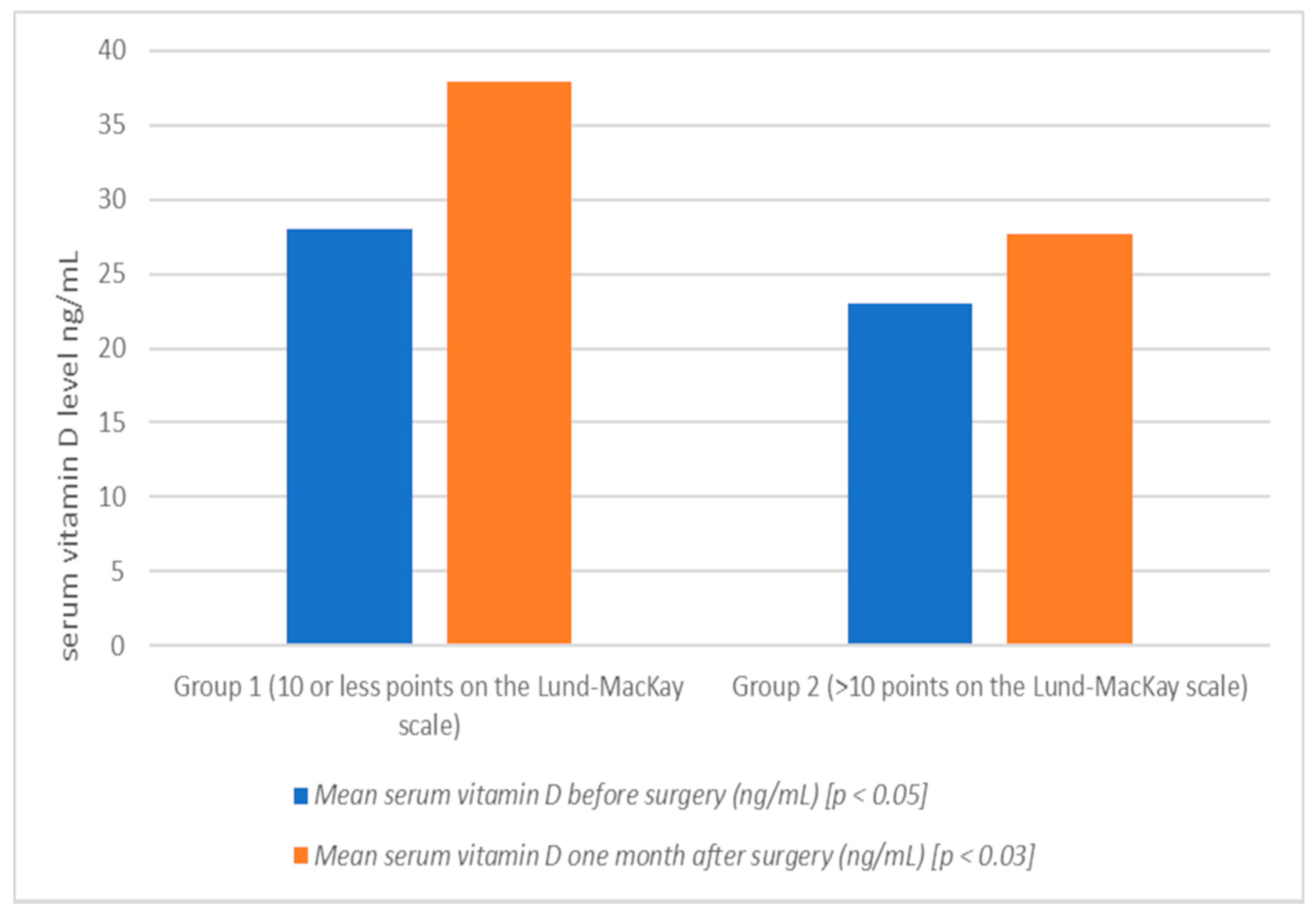
In risk terms, vitamin D insufficiency may be associated with prolonged symptoms, higher inflammatory burden, or greater likelihood of chronicity. The challenge is measurement: many people treat symptoms without knowing whether their baseline vitamin D status is in a suboptimal zone.
Mechanisms: How Vitamin D May Influence Sinus Inflammation
Vitamin D can affect multiple layers of the sinus ecosystem. First, it supports antimicrobial defense pathways, which can help the local immune system respond more appropriately to microbial triggers. Second, it can modulate the production and balance of inflammatory mediators—reducing excessive signaling that sustains swelling and discomfort.
Third, vitamin D may influence epithelial integrity and mucosal barrier function. If the barrier is weaker, irritants and microbes may interact more readily with immune cells, sustaining inflammation. Fourth, vitamin D participates in T-cell regulation, potentially steering the immune response away from chronic overreaction.
The combined effect is often summarized as “immunomodulation,” but it’s more nuanced than that. It’s not merely lowering inflammation—it’s recalibrating the immune circuitry so it can react effectively without remaining in permanent alarm.
Polyps, Severity, and the Inflammatory Signature
Not all chronic rhinosinusitis is the same. Severity can vary based on mucosal inflammation patterns, polyp burden, extent of disease, and response to therapies. Vitamin D may interact with these features by influencing how inflamed the tissue becomes and how resilient the mucosa is over time.
Research discussions frequently explore correlations between vitamin D status and inflammatory severity markers. If vitamin D insufficiency aligns with higher inflammatory activity, correcting deficiency could theoretically support more favorable disease trajectories.
However, the clinical reality still matters: vitamin D is not a replacement for standard interventions. It’s best considered an adjunct—an attempt to optimize host physiology so that other treatments can work in a better internal environment.
What About Treatment: Supplementation, Monitoring, and Timing
If vitamin D could be a dial, supplementation is the hand turning it. Yet dosing should be deliberate, not impulsive. People vary widely in baseline levels, absorption capacity, body weight, comorbidities, and baseline sun exposure. Because of that variability, blanket recommendations are rarely ideal.
Clinically, the most sensible approach often begins with a blood test—commonly measuring 25-hydroxyvitamin D. From there, a clinician can decide whether supplementation is reasonable, how much is needed, and what monitoring interval makes sense.
Monitoring is particularly important because vitamin D is fat-soluble. Too much can cause hypercalcemia, with symptoms that range from nausea and weakness to more serious complications. In other words, the challenge is not “take more vitamin D.” The challenge is “take the right amount for the right person.”
Synergy With Standard Care: The Real-World Roadmap
Chronic rhinosinusitis commonly involves therapies such as saline irrigation, intranasal corticosteroids, management of allergies, antibiotics when indicated, and sometimes surgery—especially for refractory cases or when polyps dominate. Vitamin D should be viewed through the lens of synergy, not substitution.
When the inflammatory environment is calmer, other interventions may feel more effective. For example, steroid therapy works best when tissue responsiveness and immune modulation aren’t fighting against a background deficiency. Saline irrigation can reduce irritant load, while vitamin D may support immune recalibration. Together, they may help move the system toward stability.
But stability is not a switch; it’s a process. Short sentences, long-term thinking. That’s the rhythm chronic conditions demand.
When to Consider Vitamin D in Your Personal Strategy
If you have chronic rhinosinusitis—especially with nasal polyps—consider whether vitamin D status might be worth evaluating. Risk factors include limited sun exposure, dietary insufficiency, darker skin pigmentation, obesity, malabsorption syndromes, or conditions affecting kidney or liver function.
Also consider it if symptoms persist despite good adherence to standard therapies. Not because vitamin D is a magic key, but because unresolved inflammation sometimes reflects an overlooked host variable.
And here’s the final playful question to carry like a pebble in your pocket: if your sinuses have been asking for months—what if vitamin D is the background note you never checked?
Closing Perspective: A Balanced Hope
Vitamin D for sinusitis and chronic rhinosinusitis is best understood as a promising adjunct pathway—one that may influence immune behavior, tissue resilience, and inflammatory intensity. Yet the story requires nuance: correlation is not causation, supplementation is not a guaranteed rescue, and individualized dosing matters.
Still, optimizing vitamin D status is a rational, physiologically grounded step. It respects both the complexity of chronic rhinosinusitis and the practical desire for improvement. Sometimes the most helpful intervention is the one that quietly strengthens the body’s starting conditions—before the inflammation gets the final word.