Vitamin D sits in an odd in-between space: part hormone, part nutrient, and part environmental contingency. For many people, sunlight is the effortless delivery system. For vegans, that pathway can become less predictable—especially in higher latitudes, during winter months, or when daily routines keep skin covered. The risk of vitamin D deficiency among vegans isn’t a moral narrative; it’s an evidence-shaped physiological question. And when deficiency creeps in quietly, it can influence bones, immunity, mood regulation, and even the resilience of muscles. Below is a comprehensive look at the statistics and the content readers can expect—from risk signals and symptom patterns to testing, supplementation strategies, and practical meal planning.
Vitamin D in plain terms: why deficiency can be more likely on a vegan plan
Vitamin D is manufactured in the skin after exposure to UVB radiation. Food can help, but it rarely delivers enough on its own for most individuals. The dietary reality for vegans is that naturally occurring vitamin D in plant foods is usually scarce. That scarcity matters because the body treats vitamin D like a control molecule: it supports calcium absorption, regulates bone mineralization, and participates in a spectrum of immune processes.
When sunlight is limited and diet provides little vitamin D, serum levels can drift downward over time. The consequence isn’t always immediate fatigue or obvious illness. Instead, the deficiency may present as a slow, low-grade “metabolic undercurrent.” Think less of a sudden cliff and more of a gradual sinking.
Readers exploring this topic typically want clarity on how vitamin D behaves in real life: variability by season, geography, clothing practices, skin pigmentation, age, body composition, and even latitude-based UV intensity. That complexity is where deficiency risk becomes statistically interesting.
Statistics that matter: who is most likely to fall below healthy ranges
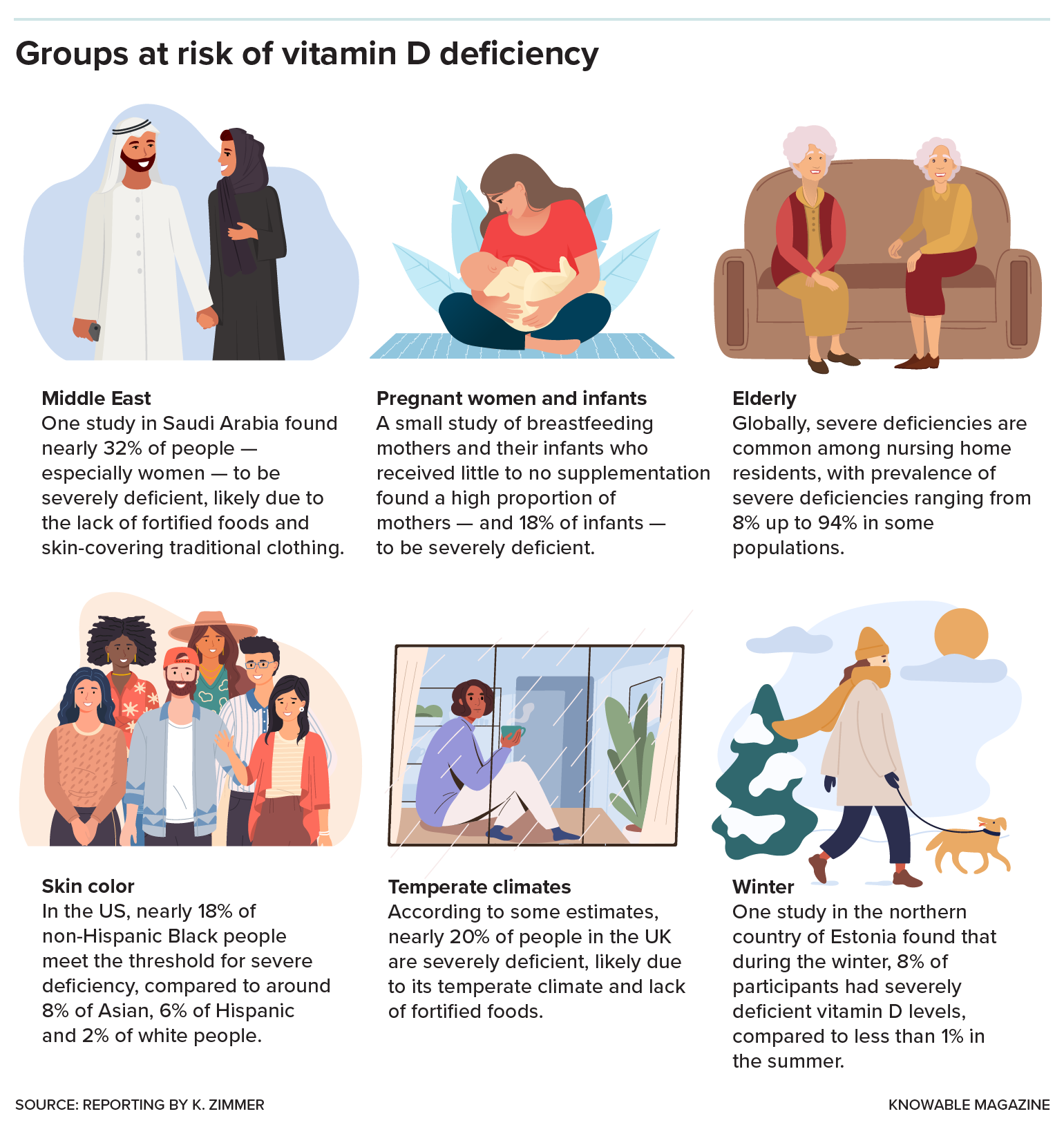
Most vitamin D discussions blur together into one blanket risk. The more useful view is stratified. Deficiency is not evenly distributed. It tends to cluster among people with lower sun exposure, darker skin living in regions with weaker winter UVB, older adults, people with higher body fat percentages, and those who do not regularly supplement.
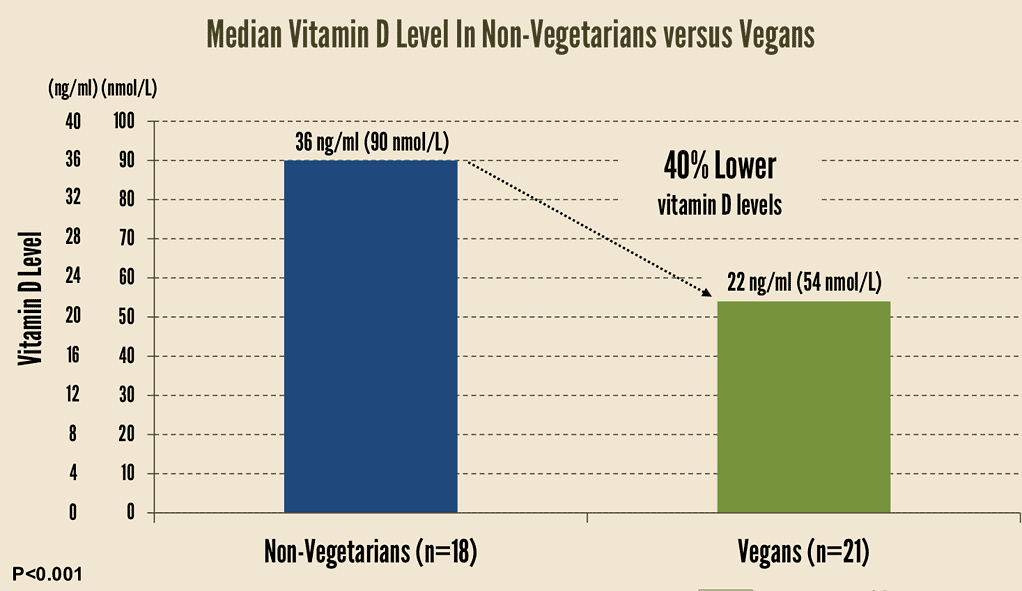
For vegans specifically, an additional statistical axis emerges: intake patterns. If a community has lower baseline dietary vitamin D—because plant foods rarely provide meaningful amounts—then the proportion of people drifting into insufficiency rises when sunlight is inadequate. This is particularly relevant for countries with long winters or indoor-heavy lifestyles.
In other words, the vegan dietary pattern can act like a “magnifier.” If environmental inputs are already limited, the dietary gap becomes more consequential. This is why readers often find “deficiency statistics” most actionable when they include factors like seasonality and supplement use, not only the vegetarian/vegan label.
What “deficient” looks like: symptoms, signals, and the problem of ambiguity
Vitamin D deficiency can be frustratingly non-specific. Early stages often produce vague symptoms that people dismiss: tiredness, generalized aches, lower mood brightness, or muscle weakness that feels like “just getting older.” Long-term deficiency, however, increases the likelihood of clinically significant outcomes—particularly relating to bone health.
Bone outcomes include osteopenia and osteoporosis risk over time, as well as osteomalacia (softening of bone) in more severe cases. In children, inadequate vitamin D can impair bone mineralization, affecting growth and skeletal development.
Readers typically appreciate a balanced content mix here: not panic, but awareness. The strongest narratives emphasize that symptoms are not a substitute for testing. Blood work is the adjudicator. Still, symptoms help people recognize that testing might be warranted—especially if they also have low sun exposure and no consistent supplementation.
Health risks connected to low vitamin D: beyond bones
Yes, vitamin D is famous for bones, but that isn’t the whole story. Vitamin D participates in calcium and phosphate metabolism, and it also modulates components of the immune system. That immune involvement doesn’t guarantee dramatic results, but it can shape vulnerability—particularly when combined with other dietary or lifestyle factors.
Some people explore vitamin D in relation to respiratory health, inflammatory signaling, and recovery capacity after illness. The evidence landscape is nuanced, but the practical takeaway remains stable: maintaining sufficient vitamin D supports foundational physiology, which can indirectly influence broader health resilience.
Content readers can expect in an extensive article often includes a “risk map” style breakdown—what’s well-established, what’s plausible, and what’s still being debated. A good narrative doesn’t overpromise. It organizes uncertainty without dismissing it.
Why vegans face a distinct nutritional bottleneck
A vegan diet excludes animal-derived vitamin D sources such as fatty fish, fish liver oils, and many conventional supplements that use animal-derived ingredients. While some plant foods contain tiny amounts, these are typically not reliably sufficient for most people, especially in low-UV seasons.
This is where readers benefit from a structured discussion: natural dietary content versus fortified foods versus supplements. Fortified options can close the gap, but they vary widely by brand, labeling precision, and daily consumption patterns. Supplements can be more consistent, yet they require correct dosing and adequate follow-up.
A well-written article on vegan vitamin D risk often includes a “decision tree” feeling—helping readers understand what to check: label amounts, daily routines, geographic UV reality, and whether blood tests indicate insufficiency.
Testing and interpretation: the role of bloodwork and cutoffs
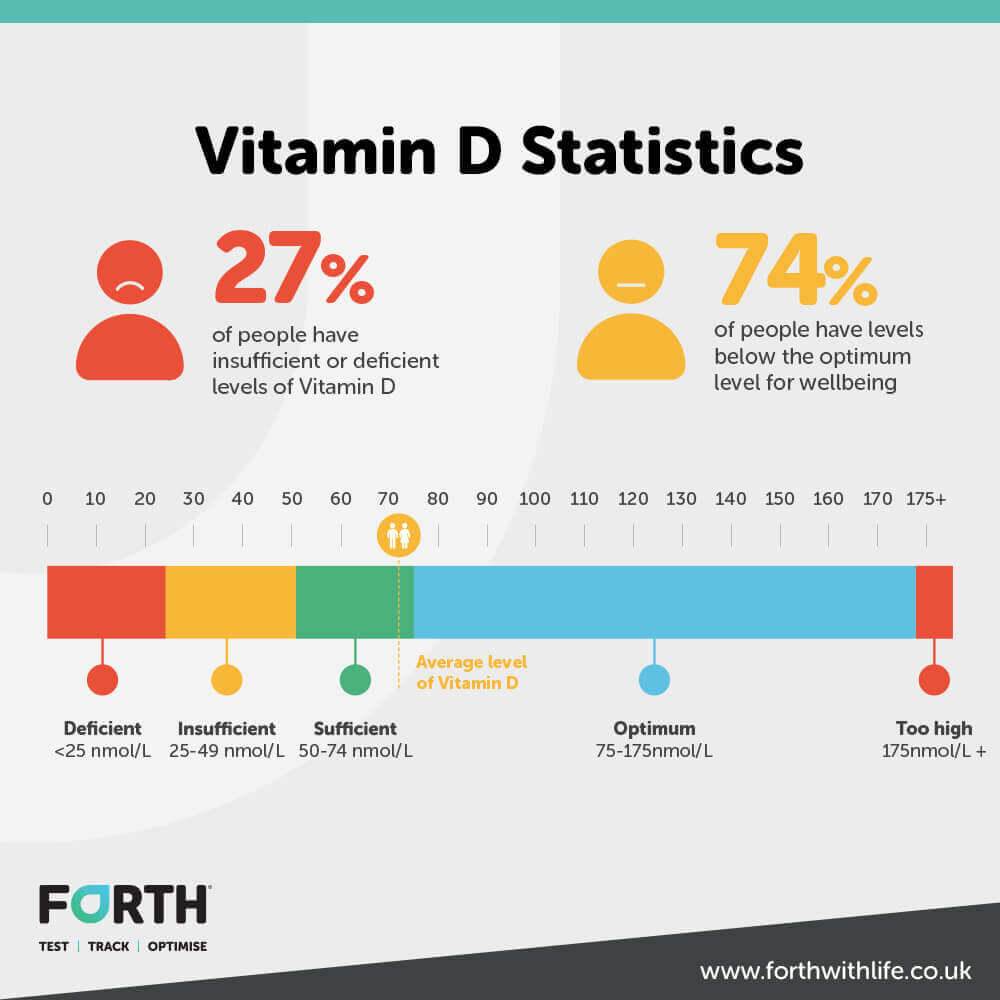
Vitamin D status is usually assessed through serum 25-hydroxyvitamin D. It’s the commonly used marker because it reflects longer-term vitamin D availability more accurately than short-lived fluctuations.
Readers often want clarity on ranges: what counts as deficiency, insufficiency, or sufficiency. While cutoffs can vary by guideline, the central concept remains consistent—lower levels correlate with higher risk of bone-related problems and potentially other health consequences. Interpretation also depends on context: symptoms, dietary pattern, sun exposure, and co-factors like calcium intake.
Testing is particularly relevant for vegans who are cautious about supplementation or who have risk multipliers—limited outdoor time, darker skin living far from the equator, pregnancy and lactation, or a history of low vitamin D.
Supplementation strategies for vegans: consistency, dosing, and safety
Supplementation is often the most reliable lever. Yet it isn’t simply “take more.” A thoughtful plan distinguishes maintenance dosing from correction dosing. Some people start with a moderate daily dose to prevent decline; others with clear deficiency require a structured “repletion” approach under clinical guidance.
Readers can expect guidance on choosing vegan-appropriate products, including those labeled as suitable for plant-based diets. Many vitamin D supplements are available in vegan formats, and they may use either D2 (often ergocalciferol) or D3 derived from non-animal sources, depending on the brand.
Safety matters. Excessive vitamin D over time can cause hypercalcemia, creating unpleasant consequences. That’s why a professional article typically includes reminders about not megadosing blindly and about re-testing after a period of supplementation.
Fortified foods and label literacy: closing the gap without guessing
Not all fortified foods are created equal. Fortification can turn a low-intake diet into a sufficiently supported one, but only if the amounts are meaningful and the daily intake is consistent. Milk alternatives, yogurts, breakfast items, and some spreads may be fortified with vitamin D, but the number on the label determines whether the product is merely “decorated” with fortification or actually useful.
Label literacy becomes a small superpower: readers learn to check the vitamin D units, confirm serving size, and estimate how many servings are needed to approach a target. It’s an exercise in arithmetic, but it prevents the common trap of believing that “fortified” automatically equals adequate.
Many comprehensive pieces also emphasize pairing fortification with adequate calcium intake, since vitamin D’s function is closely intertwined with calcium absorption and utilization.
Long-term outlook: preventing deficiency rather than reacting to it
The most empowering content doesn’t just explain risk—it explains prevention. Long-term vitamin D strategy is best framed as stewardship: regular intake, seasonal awareness, and periodic reassessment when appropriate. Vegans can reduce deficiency risk by establishing a baseline routine—fortified foods, a consistent supplement plan, and sunlight-aware habits when feasible.
Seasonality is the silent variable. In some places, winter UVB levels are too low to reliably maintain status through sun exposure. That means the “default” for many people—especially those who avoid direct sun—is supplementation plus dietary fortification. The plan should be dynamic, adjusting to shorter days and changing routines.
In the end, the goal is not to chase a trendy health metric. The goal is physiologic stability—strong bones, steady muscle function, and a calmer immune environment. Statistics may highlight vulnerability, but prevention turns vulnerability into control.