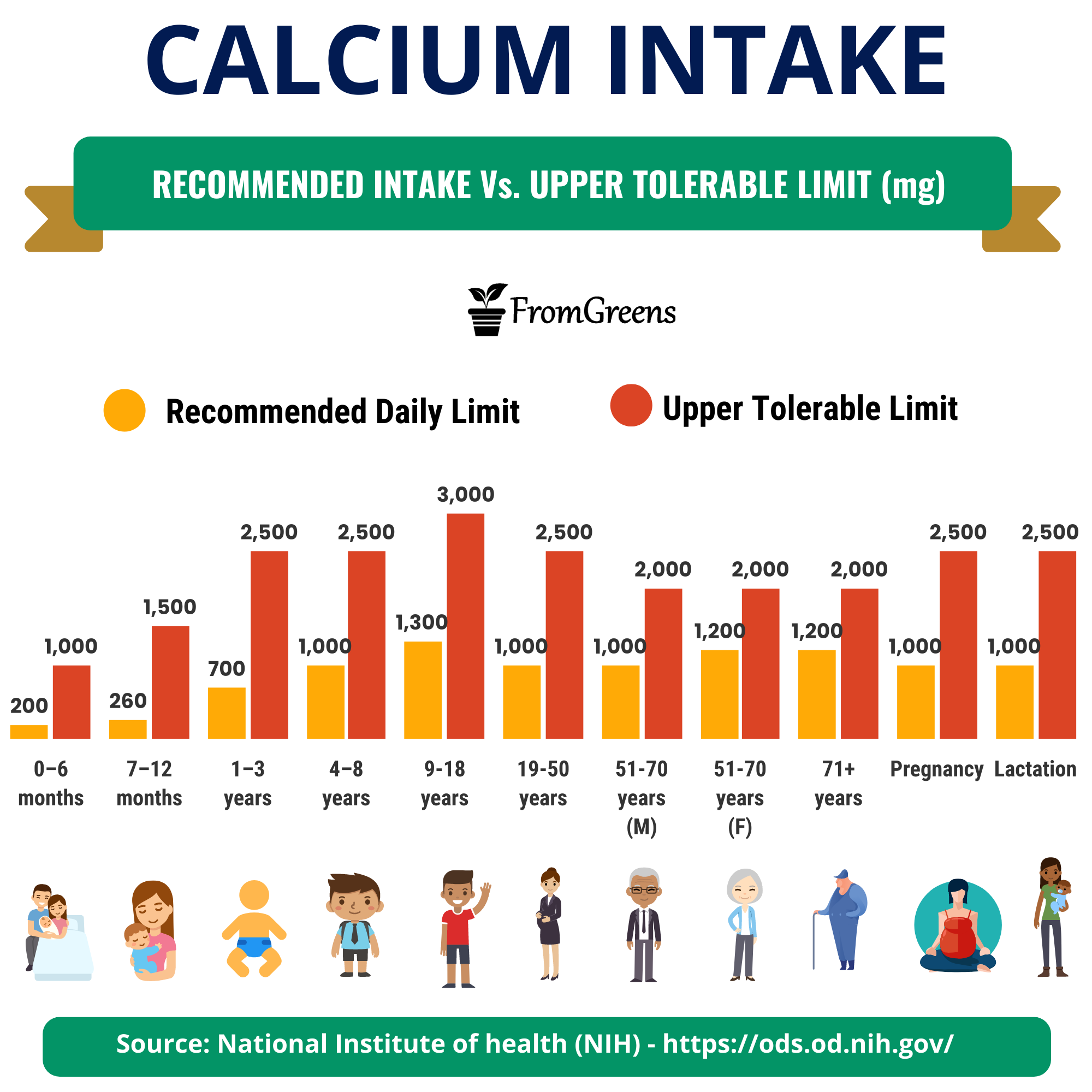
Calcium is the quiet architect of the body, laying down the scaffolding that keeps bones resilient and muscles responsive. For people who use vitamin D—whether through supplements, fortified foods, or doctor-guided regimens—calcium becomes more than a mineral. It becomes the co-author of the story vitamin D helps write. When the daily intake lands in the 1000–1200 mg range, the partnership feels less like a compromise and more like a well-rehearsed duet: one note opens the door, the other walks through it.
Why Calcium Becomes the Supporting Cast (Not Just a Side Character)
Vitamin D is often described as the “key” for calcium absorption, and that metaphor is useful—but incomplete. Keys do not build homes. They simply enable entry. Calcium, meanwhile, is the material that forms the walls. Without enough dietary calcium, even excellent vitamin D status can’t fully compensate for dietary scarcity. The body can still do short-term adjustments, but those adjustments may come at a cost to skeletal stores.
Think of your bones as a library. Vitamin D is the librarian who makes the catalog easier to find. Calcium is the paper and ink that actually reproduce the books. If the supply of paper runs thin, the library can’t keep up with its own preservation projects.
The 1000–1200 mg Target: A Range Built for Real Life
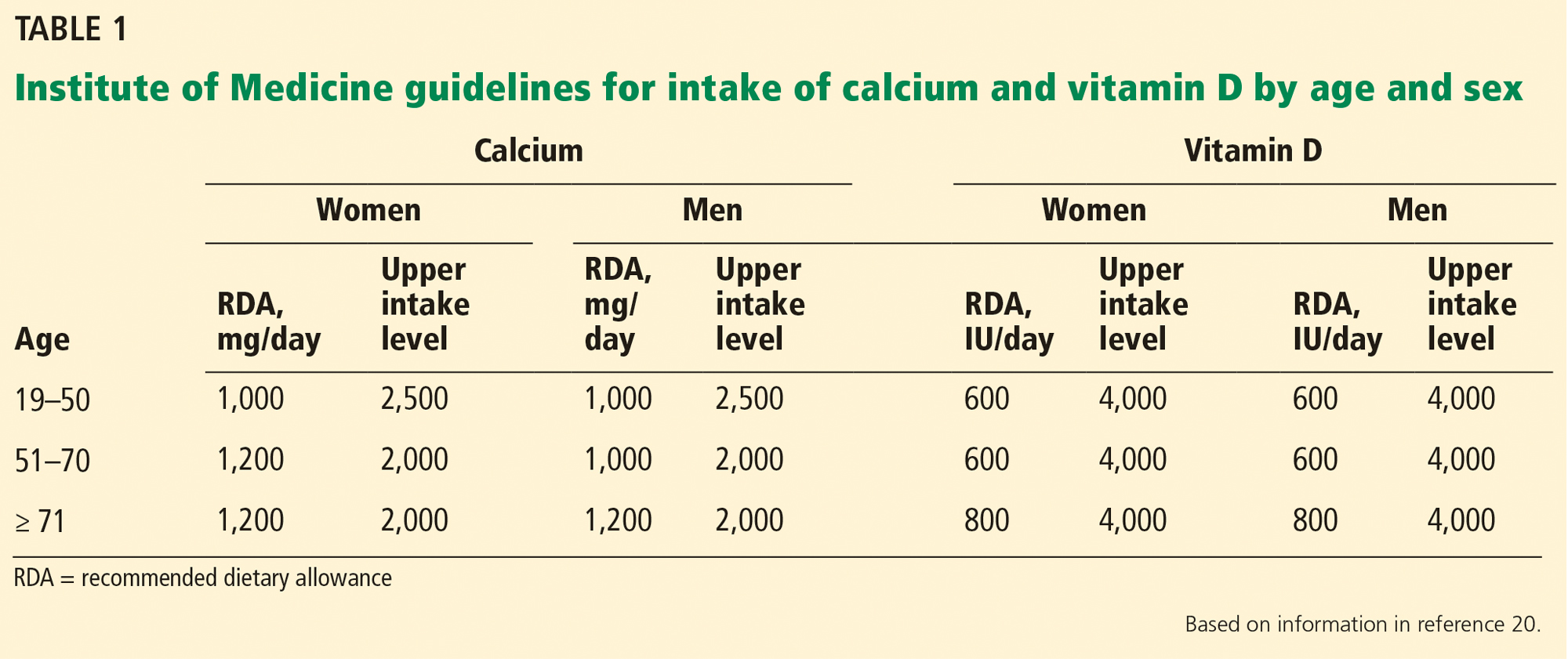
“Optimal” does not mean identical for every person. The 1000–1200 mg daily target acknowledges differences in age, physiology, and lifestyle. Many vitamin D users naturally drift toward this zone because it balances adequacy with feasibility. Too little calcium can leave the body perpetually borrowing from its own reserves. Too much can create digestive discomfort for some people and, in certain circumstances, complicate medical considerations.
Most adults aiming to support bone health typically find that 1000 mg is a strong baseline, while 1200 mg can be an especially relevant ceiling for those at higher risk of bone loss, depending on age and clinical context. The range acts like a well-tuned volume knob: high enough to nourish, not so high that it becomes noise.
Choosing the Right Calcium Sources: From Broth to Bone
Calcium is not a single substance; it’s a constellation of foods and supplements. Dietary sources bring an additional advantage: they often supply synergistic nutrients—protein, magnesium, vitamin K, and sometimes potassium—that support the bone matrix and connective tissue. When calcium arrives along with these companions, the overall signal to the body becomes clearer.
Milk, yogurt, and cheese are classic staples. But the modern plate offers many other pathways: fortified plant milks, calcium-set tofu, canned salmon with bones, sardines, and certain leafy greens. Not all greens contribute equally, because some contain compounds that can limit absorption. Still, the broader dietary ecosystem matters.
Here’s the intriguing twist: your body behaves like an “intake-to-structure translator.” It doesn’t only absorb calcium; it interprets it. Foods can deliver calcium in a smoother rhythm, which helps maintain steadier levels rather than sharp spikes.
Timing and Absorption: How to Make Calcium Stick
Absorption is where the story becomes cinematic. Calcium absorption can vary based on form, meal composition, and the presence of other minerals. If you rely on supplements, spacing doses often improves tolerance and may enhance absorption, particularly when total daily calcium is split across meals. A smaller amount, taken with food, can behave more like a steady stream than a single tidal wave.
There is also an important rhythm between calcium and vitamin D routines. While vitamin D’s primary role is to support calcium absorption and calcium handling in the body, the calcium intake itself must be present consistently. In practical terms, pairing vitamin D intake with meals that include calcium can create an efficient “traffic flow” for nutrients.
Some supplements—particularly calcium carbonate—tend to be better absorbed with meals. Others, such as calcium citrate, may be more forgiving when taken without food. Individual tolerance matters. If heartburn appears, that’s your body sending a clear signal. Adjustments can restore harmony.
Calcium Forms and Supplement Strategies: Citrate, Carbonate, and Beyond
Calcium supplements generally fall into distinct categories. Calcium carbonate is common and often economical. Calcium citrate is frequently favored for its gentler profile and may suit people with certain digestive considerations. Both can be effective when used correctly, but the “right” choice is personal—like choosing the correct footwear for your daily route.
When total intake targets 1000–1200 mg, most people do best by prioritizing dietary calcium first. Supplements then act as a bridge—closing the gap rather than replacing the entire supply. This approach respects how the body processes whole foods and reduces the likelihood of gastrointestinal discomfort associated with large supplemental doses.
For the most bone-forward strategy, consider a two-step method: calculate your dietary calcium, then supplement to reach your personal target. This prevents “overcorrection,” which can be as unhelpful as underdosing.
Intriguing Metaphor: Vitamin D as a Lantern, Calcium as the Stone Path
Imagine walking at dusk. Vitamin D is the lantern: it helps you see what’s in reach. Calcium is the stone path: it determines whether your steps feel stable or shaky. Vitamin D does not replace the need for the path, and calcium does not substitute for the lantern. Together, they transform uncertainty into steadiness.
This metaphor matters because it reframes the goal. The objective is not merely to “take vitamin D.” The objective is to build the conditions under which calcium can perform its structural duties. The daily range of 1000–1200 mg functions like the stonework thickness: sufficient to support the path, not so heavy that it becomes cumbersome.
Who May Need Closer Attention: Age, Menopause, and Risk Factors
Calcium needs often change with age. Bone turnover is not static; it’s a dynamic process influenced by hormones, activity level, and nutritional intake. During periods such as menopause, many people experience changes in bone metabolism that can elevate the importance of adequate calcium—especially when vitamin D is already part of the routine.
Those with dietary limitations, lactose intolerance, reduced appetite, or limited access to calcium-rich foods may also benefit from deliberate supplementation strategies. Athletes and highly active individuals often aim for muscular health, but skeletal health is the foundation beneath training gains. Meanwhile, people with medical conditions affecting absorption may require tailored plans guided by clinical advice.
Signs You May Be Under—or Over—Supplying Calcium
When calcium intake is consistently low, the most obvious symptoms are not always immediate. The body rarely announces deficiency with a single unmistakable alarm. Over time, low intake can contribute to weaker bone density. Some may notice increased muscle cramping or aches, though these can arise from multiple causes.
On the other hand, excessive supplemental calcium can provoke constipation, bloating, or digestive discomfort for some individuals. If symptoms occur, it’s not a moral failure—it’s physiology speaking. Adjust dose size, consider switching forms, or increase dietary contribution to smooth the intake curve.
Building the Complete Bone Equation: Calcium, Vitamin D, Protein, and Movement
Calcium and vitamin D are essential, but they are not solitary heroes. Protein supports collagen in bone’s structural framework. Magnesium and vitamin K contribute to bone mineralization and regulation. Physical activity—especially weight-bearing and resistance training—signals the skeleton to maintain strength.
When these elements align, bones respond like instruments tuned to the same key. Even a perfect calcium target can feel insufficient if movement is absent, or if the overall nutrition profile is threadbare. Aim for a balanced lifestyle where supplementation is a tool, not a crutch.
Practical Daily Habits: Making 1000–1200 mg Feel Effortless
To make your target realistic, try a “calendar approach.” Start with one calcium-rich item at breakfast. Add another at lunch or dinner. If you use supplements, treat them as scheduled punctuation rather than random additions. Spreading intake across meals often reduces discomfort and supports consistency.
Finally, treat hydration, fiber, and digestive comfort as part of the calcium plan. Bone health is a long project, and consistency is the most underrated nutrient. When calcium intake stays in the 1000–1200 mg range and vitamin D supports absorption, your body gains a steadier capacity to build, repair, and maintain—like a craftsman returning day after day to a sturdy foundation.