Imagine two people chasing the same sunrise: one chooses a standard dose of vitamin D, the other opts for a high-dose therapy. Both aim for sturdier bones, steadier muscles, and calmer immune rhythms. But here’s the mischievous question: what if the real bill arrives in your budget before the therapeutic benefits ever do? In the real world, the “cost” of vitamin D is rarely just a price tag. It can include administration style, monitoring, downstream clinical ripple effects, and—yes—how your lifestyle tolerates the regimen.
Why dosing strategy quietly changes the cost profile
Standard vitamin D dosing is usually straightforward: a daily or weekly intake plan designed to maintain serum levels gradually. High-dose therapy, by contrast, often resembles a periodic “burst” approach. The intent can be similar—raising 25-hydroxyvitamin D efficiently—but the execution is different. And when implementation changes, cost changes too.
Think of dosing as choreography. A daily regimen is like repeated, small rehearsals—predictable and manageable. High-dose therapy can feel like staging an entire performance in one night, followed by a recovery period. That performance may be clinically appropriate for certain patients, yet it frequently carries added logistical steps: more frequent follow-up labs, pharmacy coordination, and sometimes stricter monitoring for calcium-related safety.
Even when the medication itself looks inexpensive, the broader “time-and-resource cost” can tilt the balance. In healthcare, the bill isn’t always in the bottle—it’s in the visits, the paperwork, and the patience required to confirm levels are responding safely.
Direct medication costs: the bottle is only the opening act
At first glance, medication pricing seems like the main arena. Standard dosing generally involves lower per-dose quantities, while high-dose regimens may involve larger units of vitamin D—sometimes administered as higher-strength tablets or intermittent dosing schedules. Depending on your region and insurance coverage, the raw cost may appear modest either way.
However, pricing quirks can complicate the comparison. Some high-dose regimens are packaged differently, may require more careful prescription handling, and can vary widely in cost across brands or formulations. Add to that pharmacy dispensing frequency: a regimen with fewer administrations may still require more “attention time” from clinicians and pharmacists to ensure accurate dosing intervals.
In other words, the medication cost is a snapshot. The full cost is a motion picture.
Monitoring expenses: labs turn the therapy into a recurring calendar event
Here is the challenge that catches people off guard: high-dose therapy can demand a more deliberate monitoring cadence. Measuring serum 25(OH) vitamin D is common for both approaches, but high-dose therapy often pushes clinicians to verify response sooner and confirm that levels aren’t overshooting.
Monitoring may include calcium checks, particularly when patients have risk factors such as kidney disease, sarcoidosis, or a history of hypercalcemia. The reason is elegantly simple: vitamin D is not a passive nutrient. It is a hormone-like regulator of calcium absorption. If the system gets nudged too far, the body can react with elevated calcium, causing symptoms that are anything but trivial—fatigue, constipation, confusion, or kidney strain.
So the question becomes: how many blood draws, and how soon? Each lab test, each follow-up appointment, and each administrative step has a financial footprint. Standard dosing may require monitoring as well, but high-dose therapy can amplify the likelihood of earlier reassessment.
Opportunity cost: your time, your clinician’s time, your life’s tempo
Cost is also measured in minutes and mental bandwidth. High-dose therapy can create a scheduling puzzle: confirm eligibility, coordinate prescription timing, return for labs, and interpret results. Even if the regimen is convenient in theory, it can be less convenient in practice.
Consider how a patient experiences the regimen. Standard dosing often integrates into daily routines—“take it with breakfast” energy. High-dose therapy may feel like a discrete event, which can make adherence more variable. People might forget to resume, misunderstand the interval, or double-dose inadvertently during a busy stretch. Those errors can generate avoidable follow-up visits and additional costs.
Clinicians, too, spend time explaining dosing intervals, addressing side effects, and documenting outcomes. That time is not free. Healthcare labor—like skilled labor anywhere—has a price, even when it’s not directly itemized on a pharmacy receipt.
Risk management costs: preventing overshooting can be cheaper than treating it
The safety story is where high-dose therapy becomes most “cost-aware.” Vitamin D toxicity is rare, but it is not imaginary. When it occurs, the downstream management can be expensive: repeat labs, symptom evaluation, treatment for hypercalcemia, and longer follow-up.
Risk management includes screening for contraindications, reviewing medications (some can influence calcium metabolism), and adjusting for body factors such as absorption variability. Some patients require individualized dosing even within a “high-dose” category. In other words, high-dose therapy isn’t always a one-size hammer. It is sometimes a specialized tool that still requires calibration.
Standard dosing typically carries a lower risk of sudden overshoot. That doesn’t mean it’s risk-free; it means the risk is often distributed more evenly over time. In budgeting terms, smoother risk can reduce the probability of expensive detours.
Comparing “cost per benefit”: does faster correction justify extra overhead?
Some clinicians favor high-dose therapy because it can raise vitamin D levels more quickly—useful in deficiency states where time matters. Faster correction may translate into earlier symptomatic improvement for certain individuals. Yet the financial calculation depends on what “benefit” means for that specific patient.
If the therapy reduces fractures, improves muscle function, or supports immune resilience, the benefit is meaningful. But those outcomes depend on baseline deficiency severity, adherence, nutrition, sunlight exposure, and comorbidities. When benefit is uncertain, the cost comparison becomes more complex.
Some patients need only a standard approach. Others may benefit from a high-dose regimen with careful monitoring. The “best” strategy often emerges from a personalized risk-benefit conversation rather than a universal price war.
Where the system costs land: health plans, access, and reimbursement patterns
Costs differ across insurance structures. Standard dosing can be easier to cover as routine supplementation. High-dose therapy sometimes triggers prior authorization, requires documentation of deficiency levels, or is coded differently. Copays, deductibles, and coverage limits shape the patient’s real out-of-pocket expense.
Access also matters. If high-dose therapy requires more frequent lab surveillance, it can increase barriers for those with limited clinic availability or transportation challenges. A regimen that looks efficient on paper might become expensive when care coordination is delayed.
Then there’s the compliance dimension: if a higher-frequency lab schedule is harder to execute, the “true cost” rises through uncertainty and inefficiency. Healthcare economics often rewards what is not merely affordable, but workable.
Visualizing the trade-off: medication vs monitoring vs risk
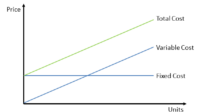
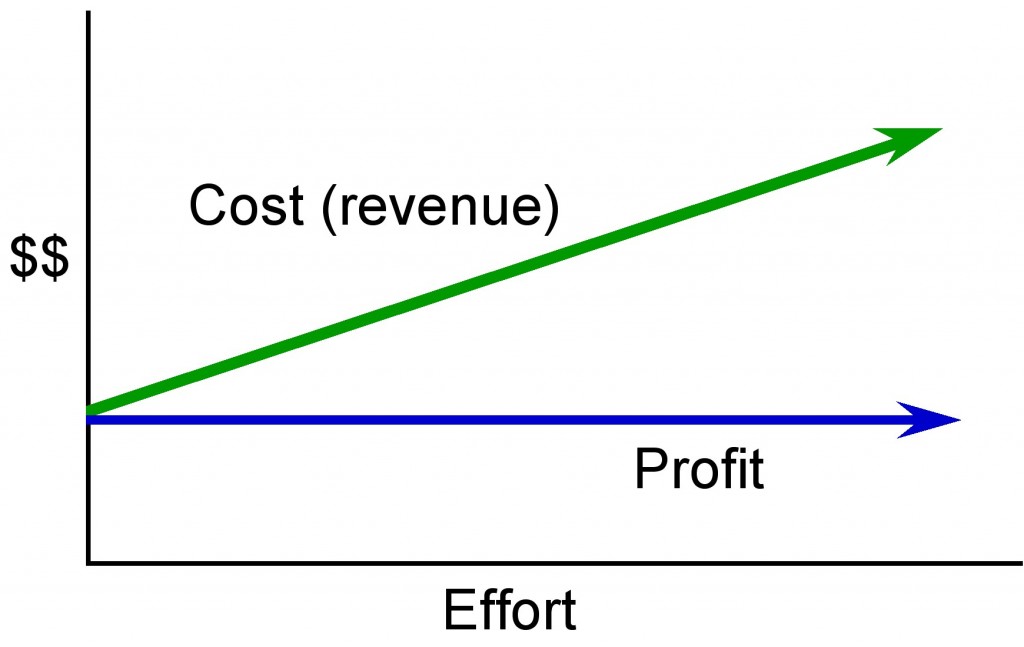
To see the structure of the cost difference, it helps to imagine three stacked layers: medication price, monitoring cadence, and risk-management contingency. Standard dosing often leans heavier on steady medication coverage. High-dose therapy may lean heavier on monitoring and early verification.

The chart concept is useful even outside transportation. In healthcare, “time cost” can represent lab visits, follow-ups, and clinician time. “Expense” can represent not only medication but also administration, monitoring, and risk-response capacity.
Making the decision responsibly: questions worth asking at the pharmacy counter
Before choosing standard or high-dose therapy, a few practical questions can prevent costly surprises:
How severe is the deficiency and what target level are you aiming for? When will vitamin D and calcium be rechecked? Are there risk factors that increase the need for closer surveillance? What happens if levels overshoot? How will dosing errors be prevented with your schedule and instructions?
These questions may feel like paperwork theater, but they are really cost controls. They reduce avoidable lab rounds, clarify adherence, and lower the chance of side-effect-driven detours.
Bottom line: the cheaper option isn’t always the safer bargain
High-dose vitamin D therapy can be clinically valuable—particularly for clearly defined deficiency situations—but it often carries a different cost rhythm. Standard dosing may be less dramatic, with fewer monitoring escalations for many patients. High-dose therapy may correct levels faster, yet it can introduce additional administrative, monitoring, and risk-management expenses.
The most economical plan is rarely the one with the lowest sticker price. It’s the one that delivers the intended benefit with the least chaos—medically appropriate, logistically feasible, and safely monitored. And that playful question at the start becomes a practical conclusion: the real cost is where the regimen meets the patient’s life.